Walking or Running for Fat Loss
Which is Better for You?
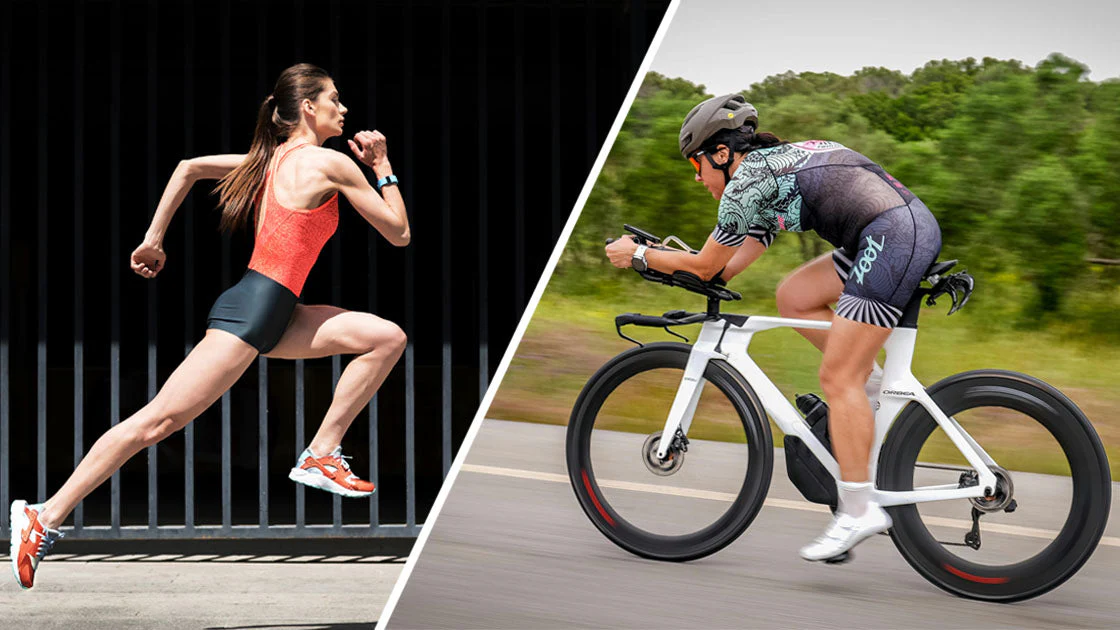
Weight loss doesn’t always require a gym membership or complicated diets. For most people, the journey starts with something simple: walking or running. Both are powerful ways to burn calories, improve metabolism, and reduce fat — but they work in different ways.
Many believe that running is always better for fat loss because it burns more calories. However, that’s not the full picture. Depending on your fitness level, body weight, joint health, lifestyle, and consistency, walking may actually give better results than running for some individuals.
In this guide, we will compare walking vs running for fat loss, explain how each affects the body, and help you decide which is best for your goals.
Table of Contents
- Definition & Basics
- How Walking Helps in Fat Loss
- How Running Helps in Fat Loss
- Benefits of Walking (Bullet Points)
- Benefits of Running (Bullet Points)
- Which One Burns More Fat?
- How to Start: Practical Steps
- Example Plans for Beginners
- Case Study / Practical Example
- Common Mistakes + Solutions
- Conclusion
- FAQs
Basics
Fat loss happens when the body uses stored fat for energy. This occurs when you are in a calorie deficit, meaning you burn more calories than you consume.
Walking
A low-impact, steady-paced activity that improves circulation, burns calories gently, and reduces stress on joints.
Running
A high-impact, faster activity that burns more calories in less time, improves stamina, and boosts metabolism quickly.
How Walking Helps in Fat Loss
Walking burns calories gradually and keeps the body in the fat-burning zone (60–70% of your maximum heart rate).
This zone is where the body prefers fat as the primary fuel source.
Why this works:
- Low intensity → the body can use oxygen → better fat-burning
- Less stress → more consistency → long-term results
- Can be done daily → leads to habit formation
How Running Helps in Fat Loss
Running elevates heart rate quickly and burns more calories in a shorter time.
It also increases the afterburn effect (EPOC) — the body keeps burning calories even after you stop running.
Why this works:
- Higher intensity → more calorie burn
- Improves cardiovascular fitness
- Boosts metabolism and stamina
- More effective for rapid fat loss programs
Benefits of Walking
- Low impact — joint-friendly
- Reduces stress and anxiety
- Helps maintain hormonal balance
- Suitable for beginners, seniors, obese individuals
- Great for daily routine and consistency
- Improves posture and digestion
- Can be combined with podcasts / Gurbani / meditation
Benefits of Running
- Burns more calories in less time
- Enhances lung capacity and endurance
- Increases afterburn effect (EPOC)
- Supports muscle tone & leg strength
- Can break fat loss plateaus
- Improves athletic performance
- Best for intermediate to advanced fitness levels
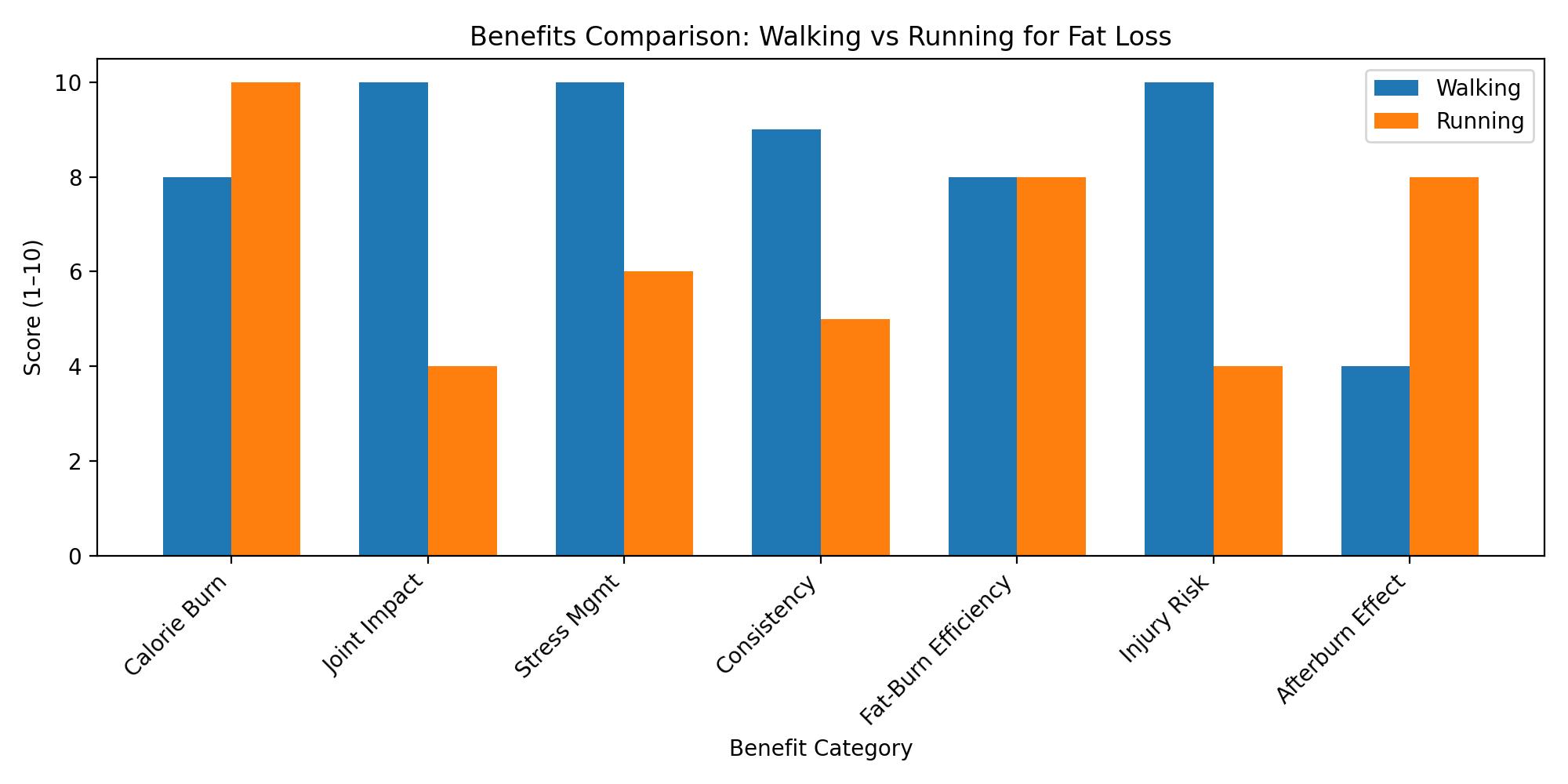
Which One Burns More Fat?
💡 Running burns more calories per minute, but…
🏃 Running is not suitable for everyone.
🚶 Walking may produce better long-term results because it can be done consistently with fewer injuries.
Conclusion:
| Goal | Better Choice |
|---|---|
| Fast calorie burn | Running |
| Long-term consistency | Walking |
| Joint pain / Obesity | Walking |
| Experienced athlete | Running |
| No time to exercise | Running (short bursts) |
| Stress relief | Walking |
Choose based on your body, not because one “looks better”

How to Start: Practical Steps
🔸 Step 1: Measure Your Level
- If you feel tired after 10 minutes → Start with walking
- If you can walk 30+ minutes comfortably → Add light running
🔸 Step 2: Set a Routine
- 4–6 days a week
- 30–45 minutes minimum
🔸 Step 3: Track Your Progress
- Use a pedometer / smart watch
- Goal: 7,000–10,000 steps per day
🔸 Step 4: Gradual Progression
- Increase speed or time every 7 days
- Never increase both speed & distance together
Example Plans for Beginners
For Weight Loss Beginners (No Exercise Background)
Week 1–2:
- 20–30 min walking daily
- Comfortable pace
Week 3–4:
- 30–45 min walking
- Include 5 min fast walk intervals
Run-Walk Mix (Perfect for Fat Loss)
30 minutes routine:
- 5 min warm-up walk
- 1 min run + 2 min walk → repeat 6 times
- 5 min cool down
This burns calories efficiently without joint strain.
Intermediate Runner Routine
25–30 minutes:
- 10 min jog
- 10 min faster pace
- 5 min slow jog cooldown
Case Study
Person: 84 kg, sedentary lifestyle
Goal: Fat loss
Month 1:
- Started with 5,000 steps/day
- Lost 1.8 kg
Month 2:
- Added run-walk intervals
- 7,500–9,000 steps/day
- Lost 2.1 kg
Month 3:
- 2 days running + 4 days walking
- Total loss: 6.2 kg without diet changes, only portion control
📌 Lesson: Slow + consistent > fast + injured
Common Mistakes + Solutions
| Mistake | Solution |
|---|---|
| Running daily without rest | 3–4 days running MAX, rest or walk in between |
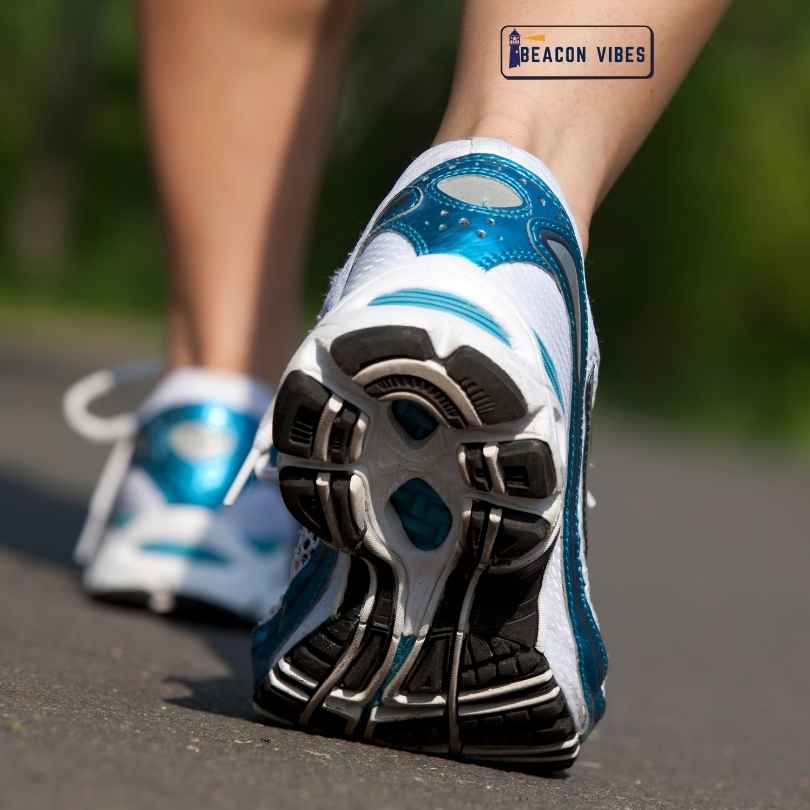
| Wearing wrong shoes | Use cushion-support running shoes |
| Doing it on an empty stomach if weak | Eat light fruit / nuts before |
| No warm-up / stretching | 5–7 mins before & after |
| Overestimating calorie burn | Track steps & intensity |
| Comparing with others | Focus on your body’s progress |
Conclusion
Walking and running are both excellent for fat loss.
The best exercise is the one you can stick to consistently without injury.
Start small, stay consistent, and keep improving. Even 10 minutes a day is better than zero.
💡 Your body is a blessing — treat it with care, discipline, and gratitude.
FAQs
1. Is walking enough for fat loss?
Yes. If done daily with a calorie deficit and proper posture, walking is enough.
2. Can overweight people start running?
It’s better to start with walking first to avoid joint injuries.
3. Is morning or evening better?
Both are fine. Choose based on consistency and routine.
4. How long should I walk or run to burn fat?
Aim for 30–45 minutes or 7,000–10,000 steps/day.
5. Should I walk after eating?
A 10–15 minute walk after meals improves digestion and calorie burning.