The Truth About Plant-Based Protein: Best Sources for Strength and Health
A Quiet Shift Happening on Everyday Plates
A decade ago, protein conversations were simple. Chicken breast. Eggs. Whey shakes. Done.
Today, things look very different.
Maybe you are trying to cut back on meat for health reasons. Maybe digestion feels off after heavy animal proteins. Or maybe you are simply curious if plant-based protein can actually support strength, energy, and long-term health without leaving you hungry or under-fueled.
You are not alone. Professionals juggling long workdays, parents squeezing workouts into tight schedules, and fitness beginners trying to “eat cleaner” are all asking the same question:
Which plant-based proteins are actually worth eating, and which are more hype than help?
This article is not about extremes. It is about clarity. From the most complete plant proteins to the ones that need a little help, here is a practical, science-backed breakdown of plant-based protein — from best to worst, and everything in between.
Why Plant-Based Protein Deserves Serious Attention
Plant-based protein has quietly moved from niche to mainstream for good reason.
Research suggests that diets rich in plant proteins are linked to better heart health, improved gut function, and lower inflammation. Experts agree that when planned well, plant protein can support muscle maintenance, fat loss, and metabolic health just as effectively as animal sources.
The key phrase there is “planned well.”
Not all plant proteins are created equal.
Some deliver all essential amino acids in one go. Others shine nutritionally but fall short on protein density. Understanding these differences makes all the difference.
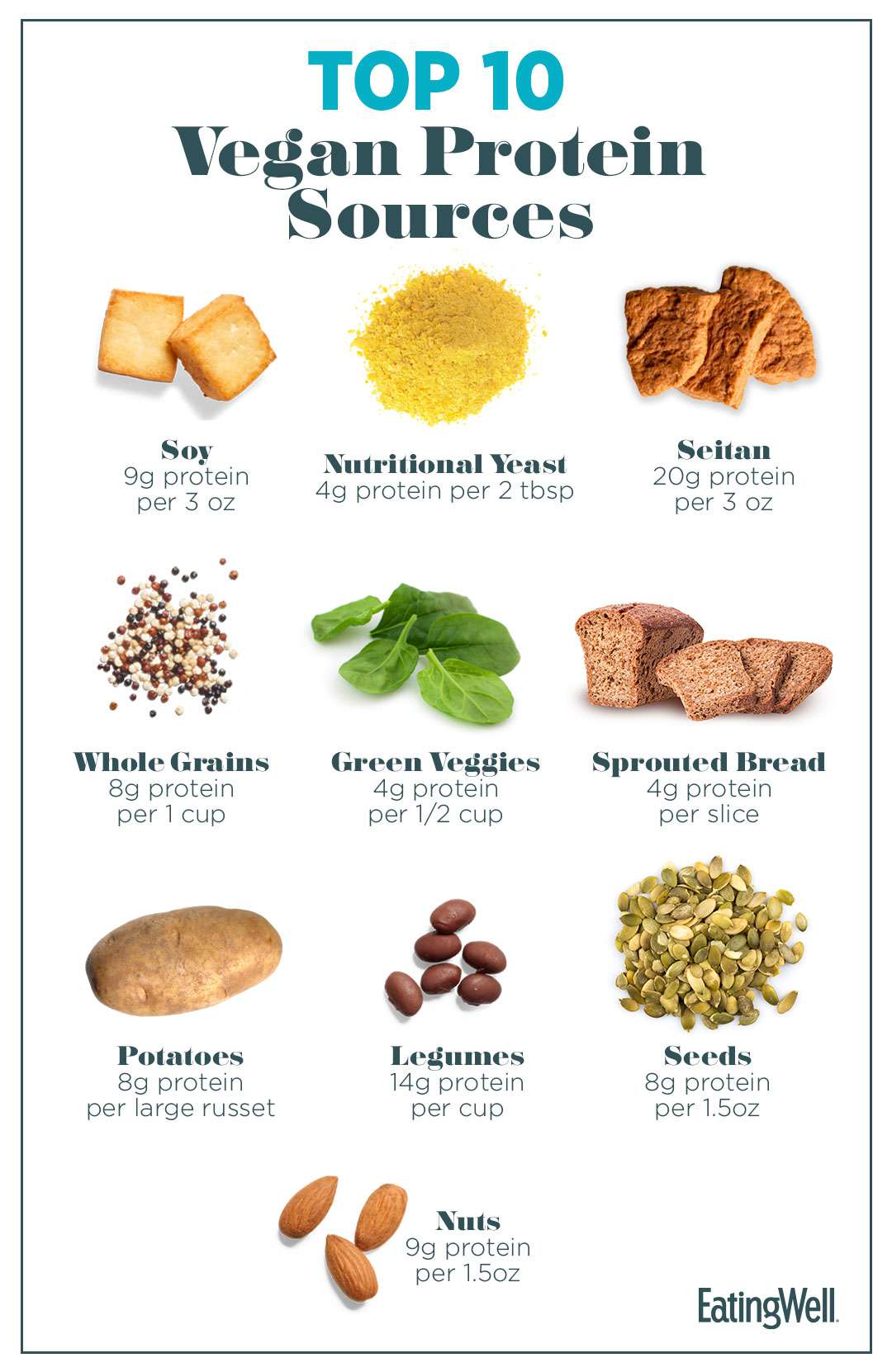
The “Best” Plant-Based Proteins (Complete & Muscle-Friendly)
1. Soy (Tofu, Tempeh, Edamame)
Soy remains the gold standard of plant-based protein.
It is one of the few plant proteins considered complete, meaning it contains all nine essential amino acids. Studies indicate soy protein supports muscle protein synthesis similarly to animal protein when total intake is adequate.
Why it works
- High protein density
- Complete amino acid profile
- Versatile in cooking
How to use it
- Tofu in stir-fries or curries
- Tempeh for gut-friendly fermentation benefits
- Edamame as a high-protein snack
Common mistake: Avoiding soy due to outdated hormone myths. Moderate soy intake is widely considered safe for most people.
2. Quinoa
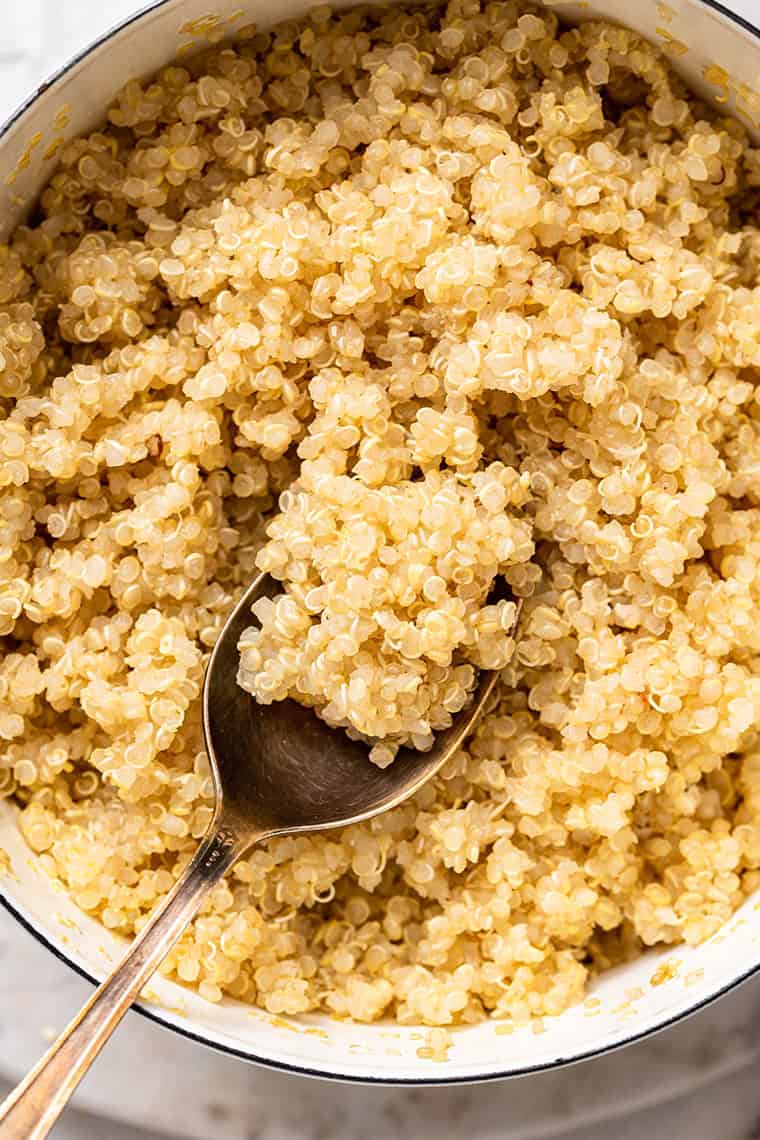
Quinoa punches above its weight nutritionally.
While not as protein-dense as soy, it offers a complete amino acid profile, plus fiber, magnesium, and iron. For active adults, it supports sustained energy and recovery.
Why it works
- Complete protein
- Gentle on digestion
- Excellent carb-to-protein balance
Best timing
- Post-workout meals
- Lunch bowls for long-lasting satiety
3. Buckwheat
Despite its name, buckwheat is gluten-free and surprisingly powerful.
It contains all essential amino acids and is particularly rich in lysine, an amino acid often lacking in plant foods.
Ideal for
- People sensitive to wheat
- Breakfast porridge or savory pancakes
- Endurance-focused fitness routines
The “Middle Ground” Proteins (Excellent, But Need Pairing)
4. Lentils
Lentils are nutritional workhorses, especially in Indian diets.
They are rich in protein, fiber, iron, and folate but are low in methionine. Pairing them with rice or whole grains solves this gap.
Why they matter
- Affordable and accessible
- Excellent for gut health
- Highly filling
Pro tip: Combine lentils with rice, millet, or whole wheat to create a complete protein meal.
5. Chickpeas
Chickpeas offer steady energy and impressive satiety.
They are slightly lower in protein density than lentils but shine in versatility, from hummus to chana salads.
Best uses
- Pre-workout meals
- Lunches that prevent afternoon crashes
6. Beans (Kidney, Black, Pinto)
Beans are heart-healthy and fiber-rich but not ideal as a sole protein source for muscle building.
How to optimize
- Pair with corn, rice, or whole grains
- Add seeds or nuts for amino acid balance
The “Lower Protein” Group (Nutritious, Not Protein Powerhouses)
7. Nuts and Nut Butters
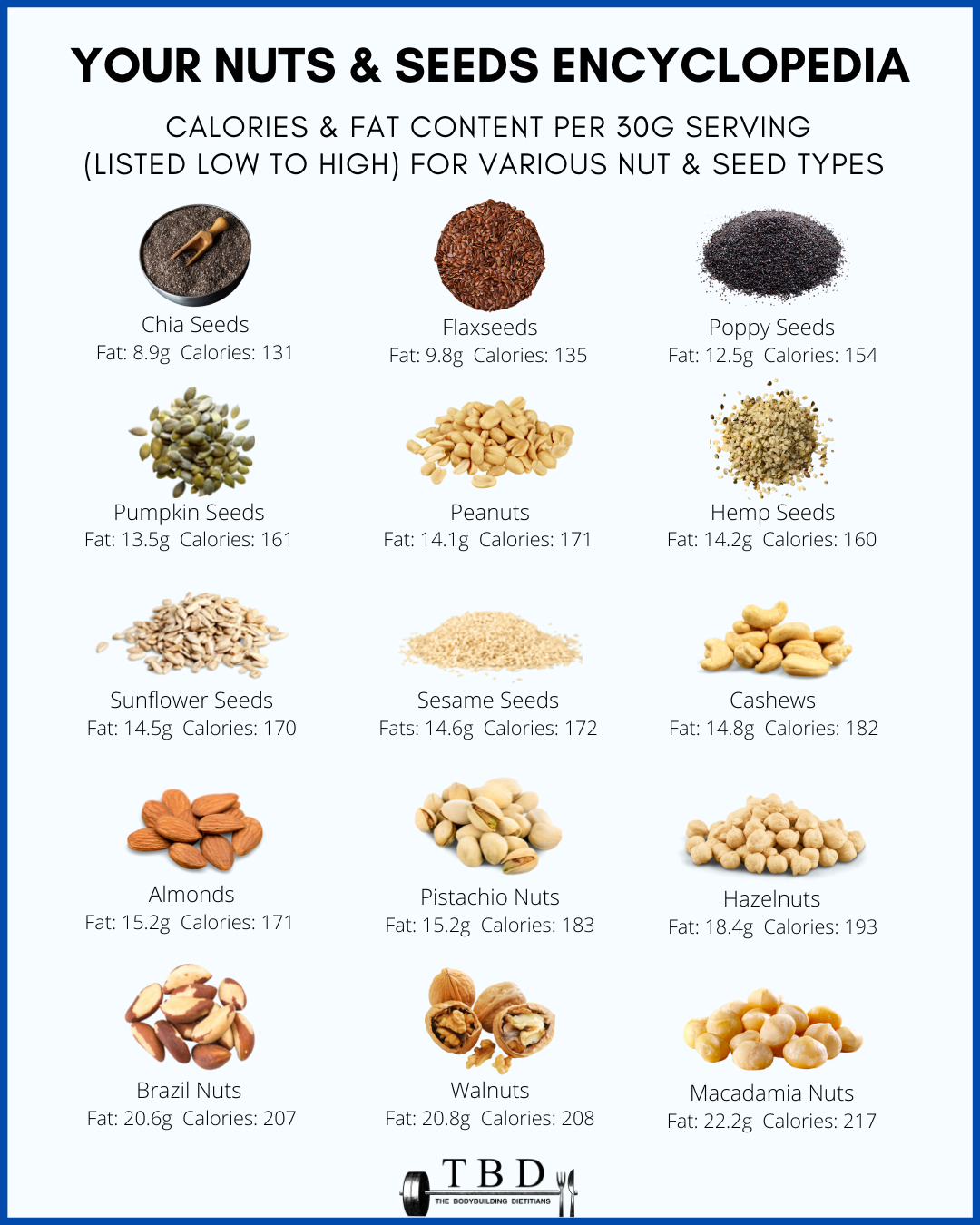
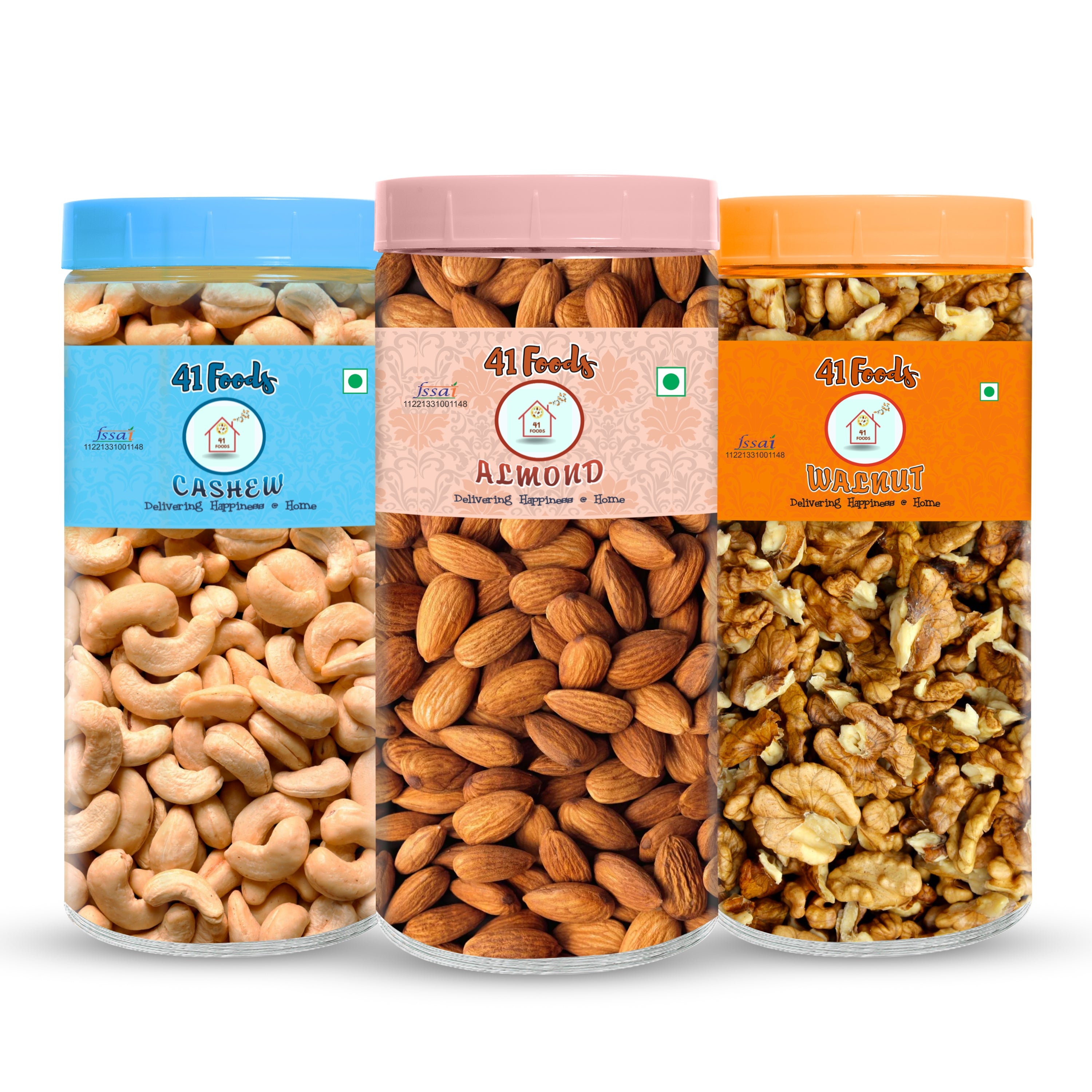
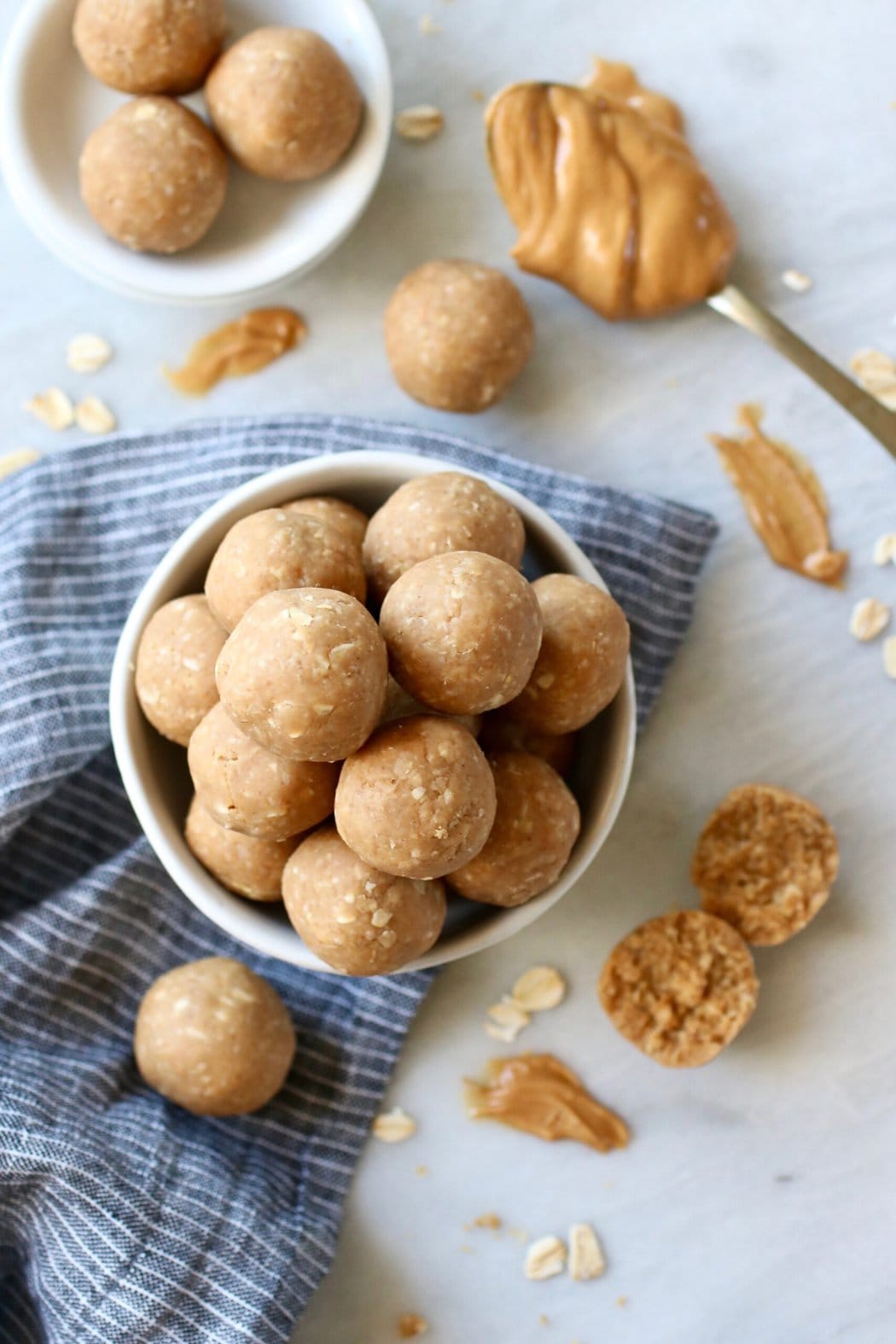
Nuts are often mistaken as high-protein foods.
They do contain protein, but they are primarily fat sources. That does not make them bad, just misunderstood.
Best role
- Calorie-dense snacks
- Hormonal and brain health support
8. Seeds (Chia, Flax, Pumpkin, Sunflower)
Seeds bring minerals, omega-3s, and fiber but modest protein amounts.
Pumpkin seeds stand out slightly higher in protein, but overall, seeds should support protein intake, not replace it.
9. Vegetables
Yes, vegetables contain protein.
No, they are not a primary protein source.
Broccoli, spinach, and peas contribute small amounts but should be viewed as nutrient boosters, not muscle fuel.
Key Nutrients to Watch on a Plant-Based Protein Diet
Protein is only part of the picture.
Important nutrients to include
- Iron: Lentils, spinach, pumpkin seeds
- Vitamin B12: Fortified foods or supplements
- Zinc: Beans, seeds, whole grains
- Omega-3s: Flaxseed, chia seeds, walnuts
Common mistake: Focusing only on protein grams and ignoring micronutrients.
Smart Ways to Consume Plant-Based Protein
- Spread protein intake across meals
- Combine legumes with grains
- Include protein at breakfast, not just dinner
- Use minimally processed sources most often
Actionable Fitness & Lifestyle Tips
- Add tofu or tempeh to one daily meal
- Prep lentils in bulk for the week
- Blend quinoa into salads or soups
- Track protein for a week to spot gaps
Consistency matters more than perfection.
Common Myths About Plant-Based Protein
Myth 1: You cannot build muscle on plant protein
You can, if total protein and calories are adequate.
Myth 2: Plant protein is always incomplete
False. Some are complete, others just need pairing.
Myth 3: More protein is always better
Excess protein without balance does not equal better health.
Who Should Be a Little More Careful
If you have digestive disorders, thyroid conditions, or iron deficiency, personalized guidance helps. A nutrition professional can fine-tune food choices without unnecessary restriction.
The Bigger Picture: Progress Over Perfection
Plant-based protein is not about moral superiority or extreme rules. It is about informed choices.
When chosen wisely, plant proteins can support strength, energy, digestion, and long-term health beautifully. The goal is not to find the single “best” source, but to build a diverse, balanced intake that fits your lifestyle.
Start where you are. Improve one meal at a time.
That is how sustainable health is built.