10 Food Changes You Must Make to Reduce Belly Fat Naturally
Why Belly Fat Feels So Personal (and So Frustrating)
Most people don’t wake up one day suddenly worried about belly fat. It creeps in quietly—after long office hours, skipped breakfasts, stress-filled weeks, and dinners eaten a little too late. You might still be eating “okay,” maybe even exercising when time allows, yet that stubborn midsection refuses to budge.
For many adults, belly fat isn’t just about how clothes fit. It’s about energy levels, confidence, and that nagging feeling that your body isn’t responding the way it used to. And the confusing part? Everyone seems to have an opinion—cut carbs, skip dinner, drink this tea, try that cleanse.
The reality is far less dramatic and far more manageable. Belly fat is strongly influenced by daily food choices that affect blood sugar, hormones, gut health, and inflammation. Change those inputs, and the body responds—often quietly, steadily, and for the long term.
Here are 10 practical, realistic food changes that help reduce belly fat naturally—no extremes required.
1. Start Treating Protein as a Daily Essential
Many people underestimate how little protein they actually eat—especially earlier in the day.
Protein helps control appetite, supports muscle, and keeps blood sugar steady. When meals lack protein, hunger returns faster, cravings grow louder, and overeating becomes almost inevitable.
What works well:
Eggs, yogurt, lentils, beans, paneer, tofu, fish, or lean meats.
A simple shift:
Instead of toast alone for breakfast, add eggs or yogurt. At lunch, make protein the anchor—not an afterthought.
Where people slip up:
Saving most of their protein for dinner, when the body needs it least.
2. Cut Back on Added Sugar—Without Demonizing Food
Sugar isn’t the villain it’s made out to be—but excess added sugar is a quiet contributor to belly fat.
Sugary snacks and drinks spike insulin, which signals the body to store fat, particularly around the abdomen. Over time, this creates a cycle of cravings and energy crashes.
Focus on reducing:
Sweetened beverages, packaged desserts, and frequent snacking on baked goods.
Keep enjoying:
Whole fruits. Their fiber slows sugar absorption and supports digestion.
An easy upgrade:
Fruit with nuts instead of biscuits or candy.

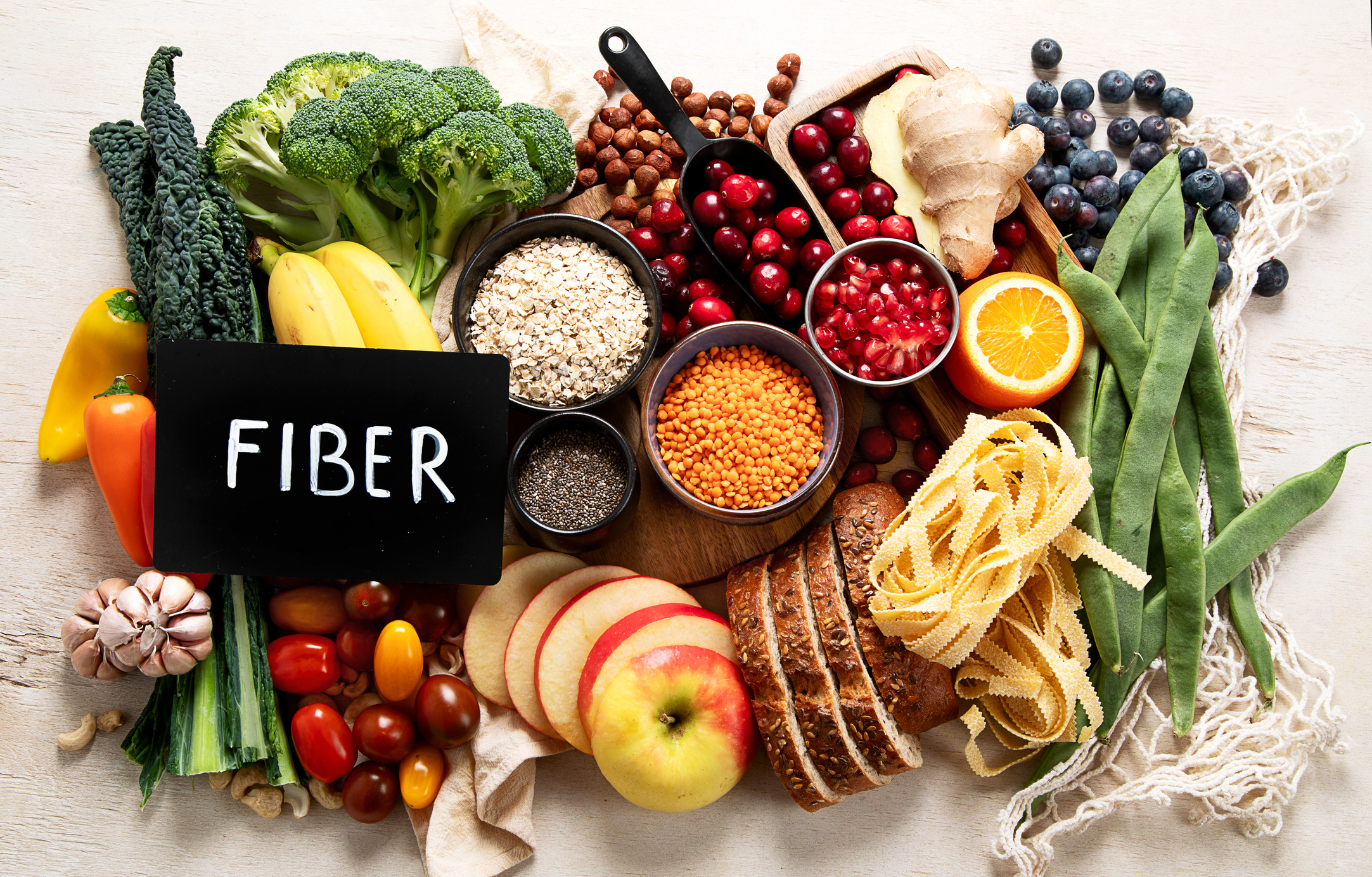
3. Eat More Fiber, Especially the Kind That Feeds Your Gut
Fiber doesn’t just help with digestion—it plays a role in appetite control and fat storage.
Soluble fiber, in particular, helps regulate blood sugar and supports healthy gut bacteria linked to lower abdominal fat.
Good sources include:
Oats, barley, beans, apples, citrus fruits, flaxseeds, and chia seeds.
Best approach:
Increase fiber gradually and drink enough water to avoid discomfort.
4. Make Peace with Healthy Fats
Years of low-fat messaging have left many people afraid of fat—yet cutting it too aggressively often leads to more belly fat, not less.
Healthy fats help you feel satisfied, support hormone balance, and reduce overeating.
Smart choices:
Olive oil, nuts, seeds, avocado, and fatty fish.
Keep portions sensible:
Fats are nutrient-dense, not something to pile on mindlessly.
5. Be Selective with Carbs Instead of Cutting Them Out
Carbohydrates aren’t the problem—highly refined ones are.
White bread, pastries, and sugary cereals digest quickly and raise blood sugar fast, encouraging fat storage.
Better alternatives:
Brown rice, millets, quinoa, oats, sweet potatoes, and whole grains.
These digest slowly and provide steady energy, which the body prefers.
6. Support Your Gut with Fermented Foods
Your gut plays a larger role in fat storage than most people realize.
A balanced gut microbiome supports digestion, reduces inflammation, and helps regulate appetite—all important for reducing belly fat.
Easy additions:
Yogurt, curd, kefir, or fermented vegetables.
Tip:
Start with small servings if you’re new to fermented foods.
7. Pay Attention to What You’re Drinking
Liquid calories often slip under the radar.
Juices, sweetened coffees, and smoothies can pack as much sugar as dessert—without making you feel full.
Better options:
Water, unsweetened tea or coffee, or whole fruits instead of juice.
If weight loss feels stalled, this is often the first place to look.
8. Eat on a More Predictable Schedule
Irregular eating patterns can confuse your metabolism.
Long gaps followed by large meals increase insulin spikes and promote fat storage around the waist.
Helpful habits:
- Eat within a consistent 10–12 hour window
- Avoid heavy late-night meals
- Prioritize a balanced breakfast
Consistency matters more than perfection.
9. Limit Ultra-Processed “Health” Foods
Protein bars, low-fat snacks, and packaged diet foods often sound healthy—but many are heavily processed.
These foods tend to increase cravings and encourage overeating.
A simple rule:
If you don’t recognize most of the ingredients, keep it occasional—not daily.
10. Slow Down When You Eat
This may be the most overlooked habit of all.
Eating quickly makes it easy to overshoot fullness before your brain catches up. Slowing down improves digestion and naturally reduces calorie intake.
Try this:
Eat without screens, chew thoroughly, and stop when you feel satisfied—not stuffed.
Common Belly Fat Myths—Cleared Up
“Crunches will flatten my stomach.”
Core exercises strengthen muscles but don’t target fat loss.
“Skipping meals speeds things up.”
More often, it disrupts metabolism and increases fat storage.
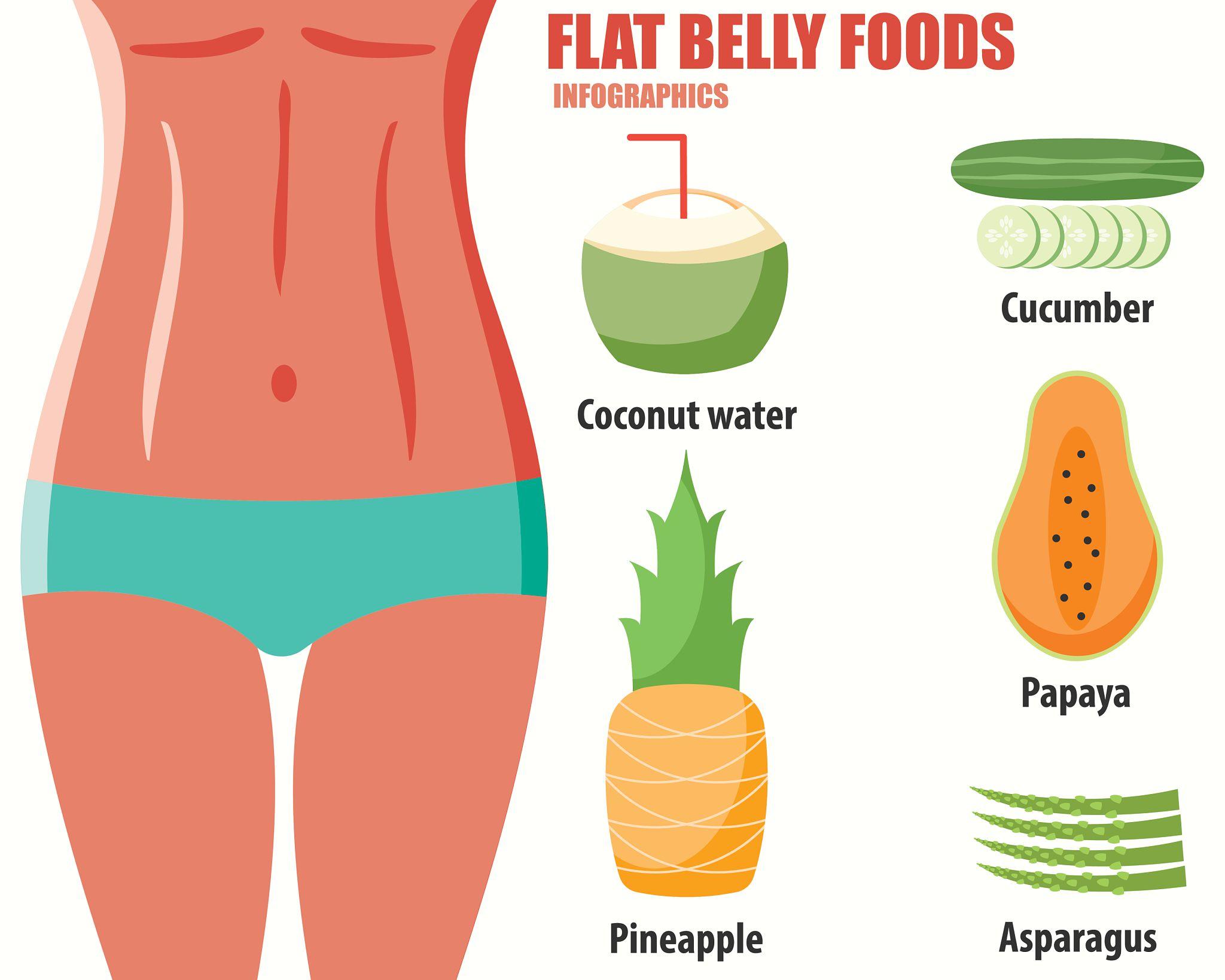
“Certain foods melt belly fat.”
No single food does the job—daily patterns do.
A Quick Word on Caution
If you have conditions like diabetes, thyroid disorders, digestive issues, or are on medication, sudden dietary changes may not be appropriate. A qualified health professional can help tailor these changes safely.
The Bigger Picture: Why This Actually Works
Belly fat doesn’t disappear because you attack it. It fades when your body feels supported—when blood sugar stabilizes, digestion improves, and stress on the system eases.
You don’t need to overhaul everything at once. Pick one or two food changes. Live with them for a few weeks. Let them become normal.
That’s how sustainable fat loss happens—not through pressure, but through patience and consistency.