How to Kill Sugar Addiction

The Quiet Habit Most of Us Don’t Notice
It often begins with something small. A spoon of sugar in morning tea. A biscuit with coffee during a quick office break. Maybe something sweet after dinner “just to finish the meal.”
Nothing dramatic.
But over time, something interesting happens. Around 3 or 4 PM, energy dips. Focus fades. And suddenly the mind starts negotiating.
Maybe just a chocolate.
Maybe a sweet chai.
Maybe one cookie.
Before long, it becomes routine rather than a choice.
Many otherwise health-conscious adults fall into this pattern. They exercise, try to eat balanced meals, and still struggle with persistent sugar cravings, afternoon fatigue, or stubborn weight gain.
Researchers have been studying this for years, and the findings are surprisingly clear: sugar strongly stimulates the brain’s reward system. In simple terms, the brain begins to associate sweetness with comfort and quick energy.
That doesn’t mean you’re weak or lacking discipline.
It means your biology is doing exactly what it evolved to do.
The encouraging part? With a few thoughtful shifts in nutrition and daily habits, it’s entirely possible to break the cycle of sugar cravings without extreme diets or harsh detox plans. Practical, research-backed health writing consistently emphasizes sustainable lifestyle adjustments rather than drastic restrictions .
Why Sugar Cravings Feel So Powerful
Understanding the mechanics behind sugar addiction often makes the solution much easier.
The Brain Loves Sugar — Perhaps Too Much
When we eat sugary foods, the brain releases dopamine, a chemical linked to pleasure and reward.
That’s why desserts feel satisfying after a stressful day. The brain registers sweetness as something valuable.
But repeated exposure can train the brain to expect that dopamine hit regularly. Over time, cravings become less about hunger and more about habit and reward.
The Blood Sugar Roller Coaster
Refined sugars digest quickly. This causes a rapid rise in blood glucose levels.
The body responds by releasing insulin to bring those levels down.
The problem? Blood sugar can fall just as quickly.
That sudden drop often leads to:
- Fatigue
- Irritability
- Brain fog
- A powerful urge for more sugar
And the cycle repeats.
Hidden Sugars Everywhere
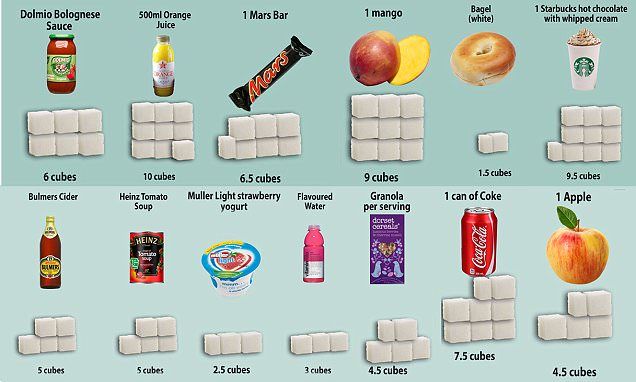
Another reason many people struggle to reduce sugar is simple: it’s hiding in foods we don’t expect.
Common culprits include:
- Breakfast cereals
- Flavored yogurt
- Energy bars
- Bottled sauces
- Packaged fruit juices
Even foods marketed as “healthy” often contain surprising amounts of added sugar.
Subtle Signs Sugar Is Running the Show
Sugar addiction doesn’t always look obvious.
Often, it appears as small daily patterns.
You might notice:
- A strong urge for something sweet after meals
- Energy crashes in the afternoon
- Feeling slightly irritable when skipping sweets
- Difficulty stopping once you start eating sugary snacks
- Regular cravings despite eating enough food
Individually these may seem harmless. Together, they often signal a dependence on quick sugar for energy.
The Nutrition Strategy That Actually Works
Breaking the sugar habit isn’t about removing foods overnight.
More often, success comes from adding the right nutrients first.
Start with Protein at Every Meal
Protein is one of the most underrated tools for controlling cravings.
It slows digestion, stabilizes blood sugar, and keeps you satisfied longer.
Many people who struggle with sugar begin their day with low-protein meals like toast, cereal, or pastries.
By mid-morning, hunger returns — and sugar becomes the quickest fix.
Better protein options include:
Common Indian choices
- Paneer
- Lentils (dal)
- Chickpeas
- Eggs
- Greek yogurt or hung curd
Other excellent sources
- Chicken breast
- Salmon
- Tofu
- Cottage cheese
- Quinoa
A protein-rich breakfast alone can dramatically reduce midday sugar cravings.
For example:
- Moong dal chilla with yogurt
- Eggs with whole-grain toast
- Greek yogurt topped with nuts
Fiber: The Quiet Hero of Blood Sugar Control
Fiber slows how quickly sugar enters the bloodstream.
That means fewer spikes and crashes.
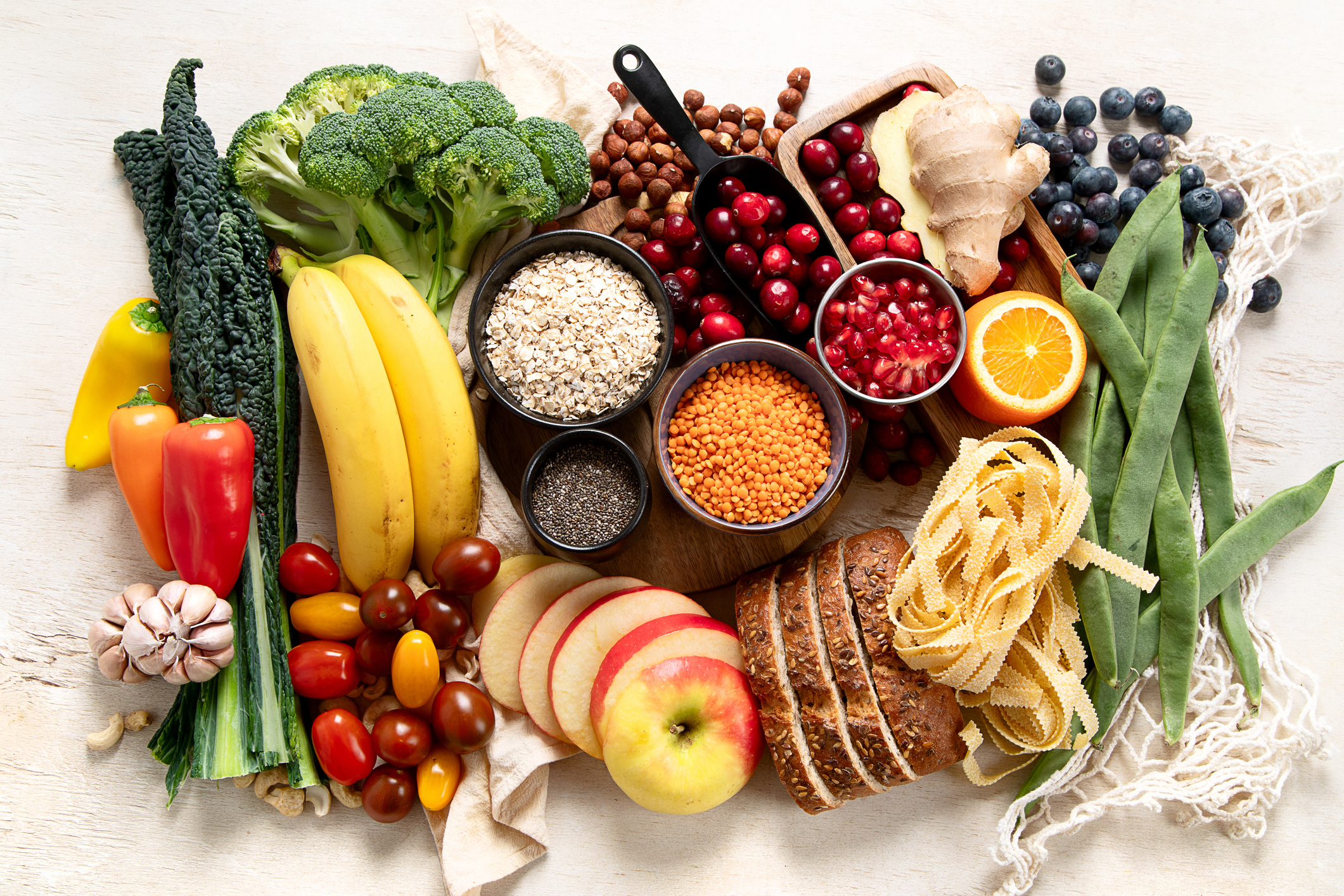
Foods particularly rich in fiber include:
- Oats
- Lentils
- Beans
- Chia seeds
- Flax seeds
- Whole fruits
- Vegetables
A simple guideline nutritionists often suggest:
build every meal around fiber-rich foods first.
Your appetite becomes steadier, and sugar cravings tend to fade naturally.
Healthy Fats Help More Than People Think

For years, many diets focused heavily on reducing fat.
But extremely low-fat diets often leave people feeling unsatisfied, which can trigger sugar cravings.
Healthy fats slow digestion and help regulate hunger hormones.
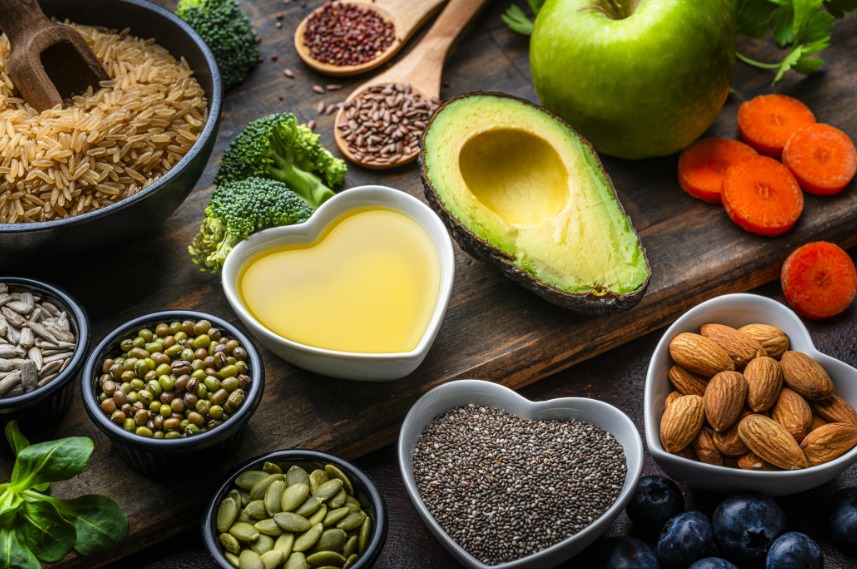
Good sources include:
- Almonds
- Walnuts
- Pumpkin seeds
- Avocados
- Olive oil
- Coconut
Adding a handful of nuts or seeds to meals can significantly improve satiety.
Choosing Better Sweet Options
The goal isn’t to remove sweetness from life entirely.
Instead, shift toward natural sources that contain nutrients and fiber.
Examples include:
- Fresh fruit
- Dates in moderation
- Dark chocolate (70% or higher)
- Cinnamon for natural sweetness
These foods provide sweetness with far less impact on blood sugar compared with refined sugar.
Practical Ways to Reduce Sugar Cravings
Some lifestyle adjustments make a remarkable difference.
Rethink Breakfast
Starting the day with sugary foods often triggers cravings that continue all day.
Instead of pastries or sweet cereals, try:
- Eggs with vegetables
- Oatmeal with nuts and seeds
- A protein smoothie
Stable blood sugar in the morning usually leads to fewer cravings later.
Drink More Water
Surprisingly often, sugar cravings appear when the body is slightly dehydrated.
Before reaching for sweets, drink a glass of water and wait a few minutes.
Sometimes the craving simply disappears.
Protect Your Sleep
Sleep deprivation increases ghrelin, the hormone that stimulates hunger.
It also reduces self-control around food choices.
Consistently getting 7–8 hours of sleep helps regulate appetite and cravings.
Move Your Body
Regular movement improves insulin sensitivity and energy levels.
Helpful forms of exercise include:
- Strength training
- Brisk walking
- Cycling
- Yoga
Even 20 minutes of activity can improve blood sugar regulation.
Change Your Environment
Human behavior is strongly shaped by surroundings.
If sweets are constantly visible, resisting them becomes harder.
A simple adjustment can help:
Replace sugary snacks with:
- Fresh fruit
- Nuts
- Dark chocolate
- Yogurt
When healthier foods are easier to reach, better choices tend to follow naturally.
Hidden Sugar Traps Many People Miss
Many foods that appear healthy contain significant added sugar.
Examples include:
- Granola bars
- Flavored yogurts
- Store-bought smoothies
- Breakfast cereals
- Sports drinks
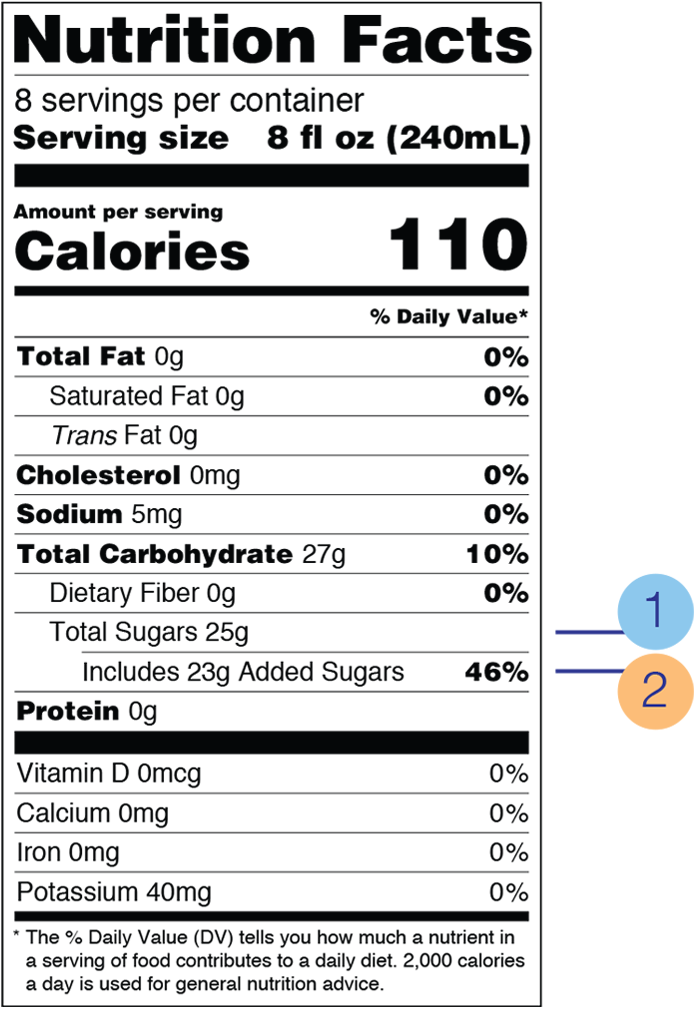
Reading ingredient labels can be eye-opening.
Sugar may appear under names such as:
- High-fructose corn syrup
- Cane sugar
- Maltose
- Dextrose
- Various syrups
Awareness alone often helps people significantly reduce sugar intake.
Common Myths About Sugar Addiction
Myth: Fruit Is Just Another Form of Sugar
Whole fruit behaves very differently from refined sugar.
Because fruit contains fiber, vitamins, and antioxidants, its sugars are absorbed more slowly.
For most people, fruit can actually help satisfy sweet cravings in a healthier way.
Myth: You Must Eliminate Sugar Completely
Total restriction often leads to rebound cravings.
A gradual reduction tends to be more sustainable and realistic.
Myth: Artificial Sweeteners Solve the Problem
Artificial sweeteners can reduce calories temporarily, but they may still reinforce the brain’s preference for intense sweetness.
Moderation remains important.
Myth: Cravings Mean You Lack Willpower
In many cases cravings are driven by biological factors:
- Blood sugar fluctuations
- Lack of sleep
- Stress
- Nutritional imbalances
Addressing these factors often reduces cravings naturally.
Who Should Approach Sugar Reduction Carefully
Reducing refined sugar is beneficial for most people.
However, certain individuals should make dietary changes thoughtfully.
This includes:
- People managing diabetes or blood sugar disorders
- Individuals with a history of eating disorders
- Those taking medications that influence glucose levels
If you fall into these groups, it’s wise to discuss changes with a healthcare professional.
The Real Secret to Breaking Sugar Addiction
What surprises many people is that sugar cravings rarely vanish overnight.
But something interesting happens when small changes begin stacking together.
You start eating more protein and fiber.
Sleep improves.
Energy stabilizes.
After a few weeks, foods that once seemed irresistible begin to feel… less urgent.
Your taste buds adjust. Your body finds steadier sources of energy.
Eventually, sweets become something you enjoy occasionally rather than something you rely on every day.
And that’s really the goal.
Not perfection.
Not restriction.
Just a healthier relationship with food — one that leaves you feeling energized, balanced, and fully in control again.




One Comment