Which Exercises Burn the Most Calories

And How to Make Them Work for You
Most of us want to burn fat, shed a few kilos, or just stay fit. But with limited time and energy, it’s smart to pick exercises that maximize calorie burn. Below is a simple, research-backed guide to understanding which moves give the most bang for your energy — and how you can use them effectively at home or in the gym.
Table of Contents
- Definition / Basics
- Benefits
- Main Content / Steps / How-To
- Practical Example / Case Study
- Common Mistakes + Solutions
- Conclusion
- FAQs
Definition / Basics
When we talk about “calorie-burning exercise,” we mean activities that raise your heart rate, engage multiple muscle groups, and sustain effort — so your body expends more energy.
How many calories you burn depends on several factors: your body weight, how long you exercise, the intensity or pace, and how vigorously you move.
According to one widely referenced source, some exercises can burn as many as ~965 calories per hour (for a 185-lb person) when done intensely.
In short: not all workouts are equal. Choosing high-intensity, efficient exercises helps you burn more energy in less time.

Benefits
Doing high-calorie-burning exercises regularly offers several advantages:
- Efficient fat loss and weight management — You burn more calories per unit time, supporting fat loss or weight control.
- Improved cardiovascular health — Activities like running, cycling, swimming get your heart and lungs working, boosting endurance and heart health.
- Better metabolic rate — Some exercises (especially resistance work + cardio) can increase muscle mass, which in turn helps your body burn more calories even at rest.
- Time-efficient workouts — High-intensity exercises or shorter workouts (like intervals) deliver significant calorie burn — useful for busy schedules.
- Joint- and mobility-friendly options — Certain exercises (e.g. swimming) provide high energy expenditure with less stress on joints — good for people with joint pain or mobility issues.
Steps to Start
You don’t need to guess which workouts are “best.” Here’s a breakdown of top calorie-burning exercises and how to integrate them — explained in simple language.
Running (or Jogging) — the Classic Calorie-Burner
- Why it works: Running uses large muscle groups, elevates heart rate, and — when done for long enough — burns a high number of calories per hour.
- How to start: Begin with a light jog (if you’re new), then gradually increase pace and duration.
- Example: 20-minute jog at a steady pace → good for building endurance.
- Example: 40-60 minutes at a moderate pace → high calorie burn + cardiovascular benefit.
High-Intensity Interval Training (HIIT) and Short Bursts
- Why it works: HIIT alternates intense activity and rest, which elevates calorie burn during and even after the session.
- How to do it:
- Do 30-second sprint or fast run / high-knee run, then rest or walk for 1 minute. Repeat.
- Example: 20–25 minute HIIT routine including high-knee running, butt kicks, or mountain climbers.
- Example: Short 10–15 minute sprint-interval sets on the treadmill or outdoors.
Jump Rope & Other At-Home Cardio Moves
- Why it works: Jumping rope, jumping jacks, high-knee runs, and similar moves raise heart rate quickly and use many muscles — great for burning calories in small spaces. (Healthline)
- How to do it:
- Jump rope for 5–10 minutes as a warm-up or standalone workout.
- Combine with bodyweight exercises (e.g. jumping jacks + mountain climbers) for a home-friendly HIIT session.
- Example: 10-minute jump-rope + 10-minute bodyweight HIIT = quick, effective calorie burn.
Bicycling, Stationary Bike or Cycling — Low-Impact, High-Burn
- Why it works: Cycling engages leg muscles, raises heart rate, and can be adapted to be high-intensity (e.g. sprints) or steady-state for endurance.
- How to do it:
- Outdoor cycling for 30–60 minutes at a steady to brisk pace.
- Stationary bike intervals: e.g. warm-up 5 minutes, then alternate 1 minute fast, 2 minutes slower, repeat for 20–30 minutes.

Swimming or Water Workouts — Gentle on Joints, Strong on Burn
- Why it works: Swimming works many muscle groups and increases heart and lung activity, while being low impact — ideal for those with joint pains.
- How to do it:
- Swim laps for 20–40 minutes at a moderate-to-brisk pace.
- Try water aerobics or continuous freestyle strokes for sustained calorie burn.
Case Study
Scenario: Raj — a 30-year-old office worker living in Ludhiana — wants to lose ~5–6 kg over two months but has only 30–40 minutes on most days.
- Plan:
- 3 days per week: 25-minute HIIT session (warm-up → high-knee run + butt kicks + jumping jacks + mountain climbers)
- 2 days per week: 30 minutes of cycling on stationary bike or outdoor bike
- 1 day weekend: 40-minute jog or swim / stationary cycling
- Expected effect: Raj will burn a high number of calories in short bursts thanks to HIIT, maintain cardiovascular fitness via cycling or jogging, and avoid joint stress by alternating biking/swimming. Over 8 weeks, combined with sensible eating, he could see noticeable fat loss and improved stamina.
Common Mistakes + Solutions
- Mistake: Doing low-intensity exercise expecting high calorie burn (e.g. slow walking only).
Solution: Add intensity — walk briskly, include inclines, or move to more intense workouts like jogging, HIIT, or cycling. - Mistake: Jumping straight into intense workouts without warm-up.
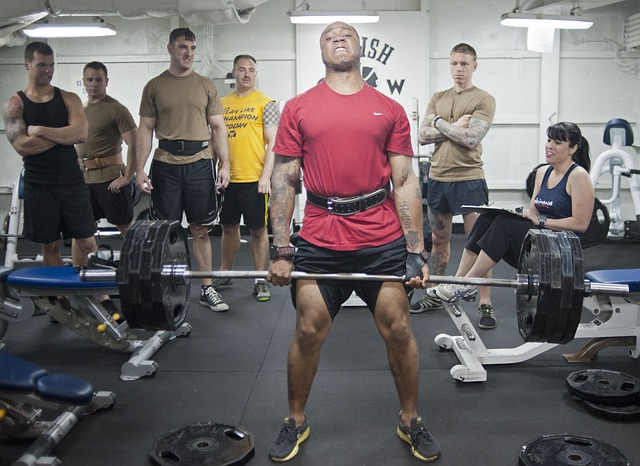
Solution: Always warm up 5–10 minutes (light jog, jumping jacks, dynamic stretching) to prepare muscles and prevent injury. - Mistake: Focusing only on cardio and ignoring strength training.
Solution: Combine cardio with strength or resistance training to build muscle mass — this increases resting calorie burn over time. (Healthline) - Mistake: Overtraining — doing high-intensity daily with no rest.
Solution: Alternate intense sessions with moderate or low-impact workouts (like cycling or swimming) or rest days to allow recovery. - Mistake: Not considering personal factors (weight, fitness level, joint health).
Solution: Tailor the exercise intensity and type based on your body, health, and goals; consult a doctor or trainer if required.
Conclusion
Choosing exercises that burn the most calories — like running, HIIT, cycling, swimming or jump rope — helps you get more results in less time. Start smart: warm up, mix intensity with recovery, and balance cardio with strength work. Consistency — not extremes — will help you stay fit, healthy, and energized.
FAQs
Q: Which exercise burns the most calories per hour?
A: Running tends to burn the most calories per hour among common exercises, especially at a brisk pace.
Q: Is high-intensity exercise better than steady cardio?
A: HIIT burns a lot of calories in short time and even elevates calorie burn after the workout. But steady cardio (like cycling or jogging) is gentler and often easier to maintain.
Q: Can I burn calories at home without equipment?
A: Yes — exercises like jump rope, high-knee running, jumping jacks, or bodyweight HIIT are great home options.
Q: Is swimming good for fat loss?
A: Yes — swimming works many muscles, burns calories, and is easy on your joints — ideal if running or high-impact exercises hurt your knees.
Q: Should I combine cardio and strength training?
A: Absolutely. Cardio burns calories immediately, while strength training builds muscle, which increases long-term calorie burn — a powerful combo for weight management.