Is Morning Walk Enough to Reduce Belly Fat?
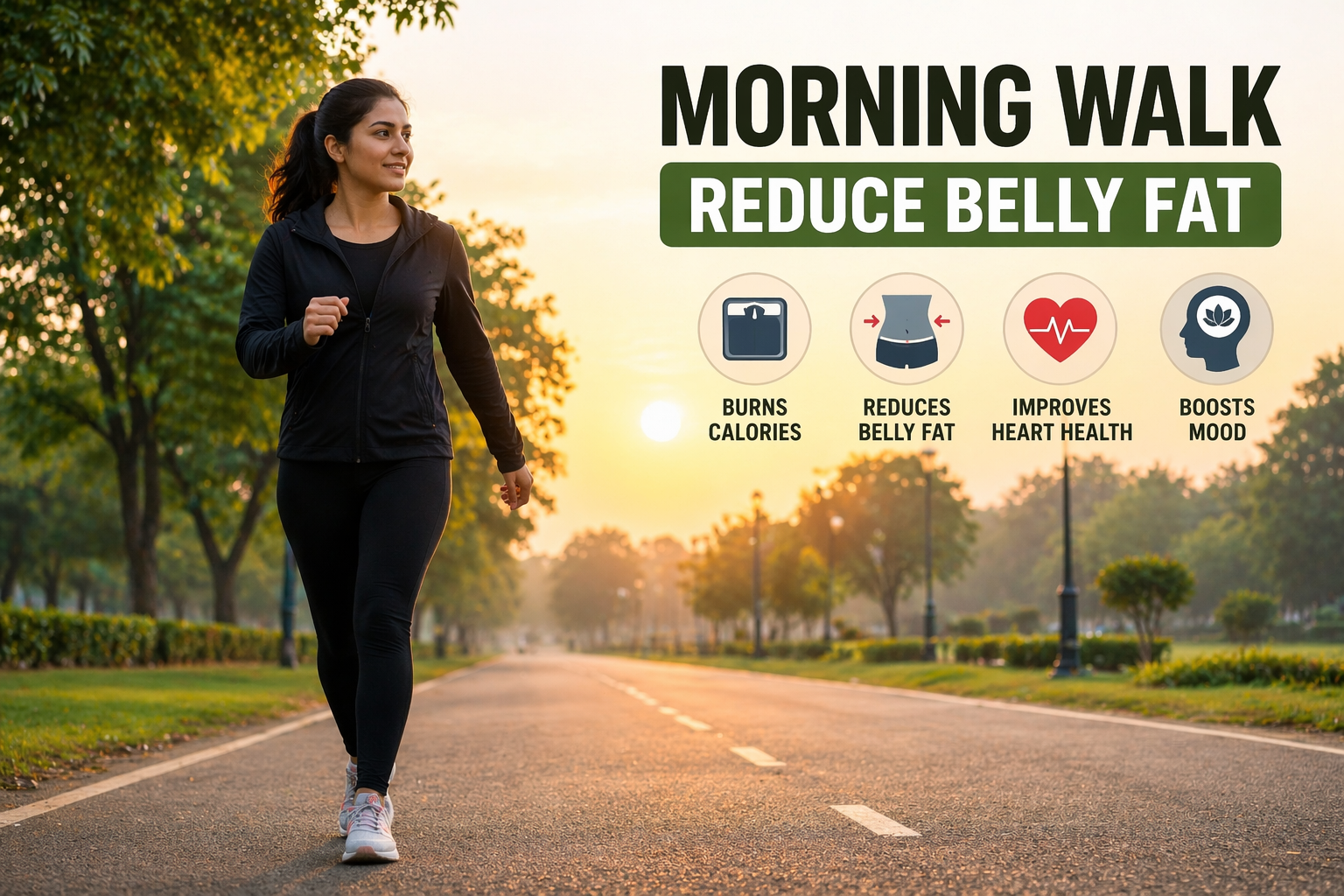
The Honest Truth Most People Discover Late
Almost everyone who wants to lose belly fat starts the same way — setting an early alarm, putting on comfortable shoes, and stepping outside with quiet determination. The morning air feels fresh, the streets are calm, and for a moment, everything feels possible.
For many professionals juggling long work hours, family responsibilities, and limited time for exercise, a morning walk feels like the most realistic commitment to better health. It’s simple, accessible, and doesn’t require a gym membership.
But after a few weeks, a common question appears:
“I’ve been walking every morning… so why is my belly fat still there?”
Here’s the reassuring truth: morning walking does help reduce belly fat, but it works best when supported by a few other habits your body quietly depends on. Once you understand how walking influences fat loss — and what it needs to work effectively — results become far more predictable.
Does Morning Walk Really Help Reduce Belly Fat?
Yes, a consistent morning walk can absolutely contribute to reducing belly fat. But it’s important to understand what walking actually does inside the body.
Belly fat usually develops slowly, often from long hours of sitting, irregular meals, stress, lack of sleep, and minimal physical activity. Walking helps reverse many of these patterns.
Regular brisk walking:
- Burns calories steadily
- Improves metabolism
- Encourages the body to use stored fat for energy
- Helps regulate insulin levels
- Reduces stress hormones linked with abdominal fat
Research consistently shows that moderate physical activity like walking plays a meaningful role in reducing visceral fat — the deeper fat stored around abdominal organs.
However, walking works gradually. It is not extreme, but it is reliable.
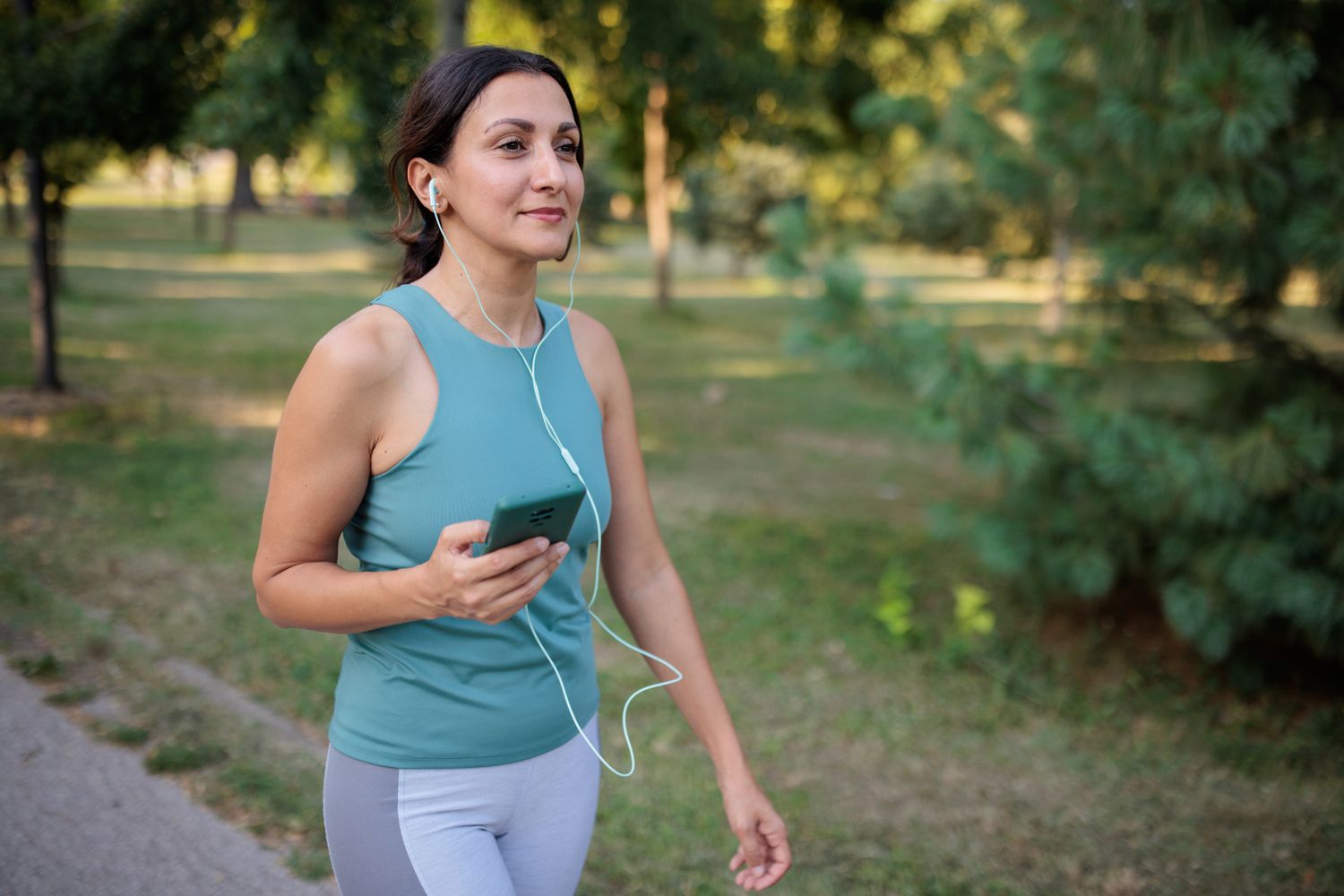
How Much Morning Walking Is Actually Needed?
Many people assume a short casual stroll is enough. While any movement is better than none, belly fat responds best to slightly more structured effort.
A practical guideline most fitness experts agree on:
Ideal Routine
- 30–60 minutes per session
- 5–6 days per week
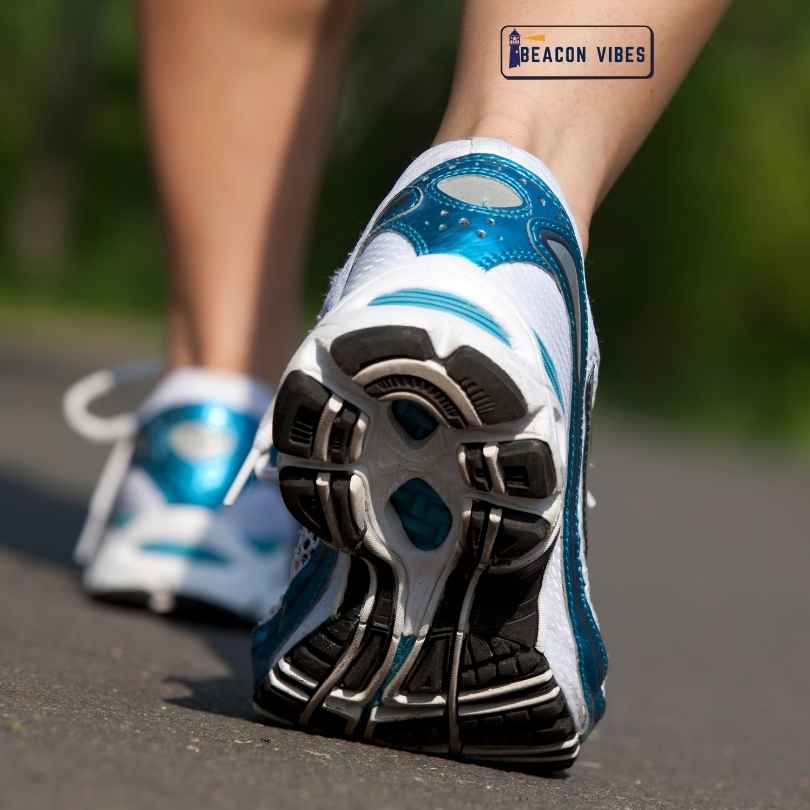
- Brisk pace where conversation is possible but breathing is deeper
- 7,000–10,000 steps daily as a general target
Walking at a comfortable but purposeful speed allows the body to tap into fat stores as fuel.
Approximate calorie burn:
- 30 minutes brisk walking: 120–170 calories
- 60 minutes brisk walking: 200–350 calories
These numbers may not sound dramatic, but over weeks they create a consistent calorie deficit, which is the foundation of fat loss.

Walking Style Matters More Than Most People Think
Not all walking produces the same benefits.
A slow wandering pace may relax the mind, but a slightly faster rhythm challenges the cardiovascular system enough to encourage fat metabolism.
Small adjustments can make a noticeable difference:
- Walk tall rather than slouched
- Keep the stomach gently engaged
- Let arms swing naturally
- Choose routes with mild inclines when possible
- Maintain steady breathing
- Avoid frequent stops to check the phone
Some walkers find success using simple intervals:
5 minutes comfortable pace
2 minutes faster pace
Repeating this cycle helps increase calorie burn without making the walk exhausting.
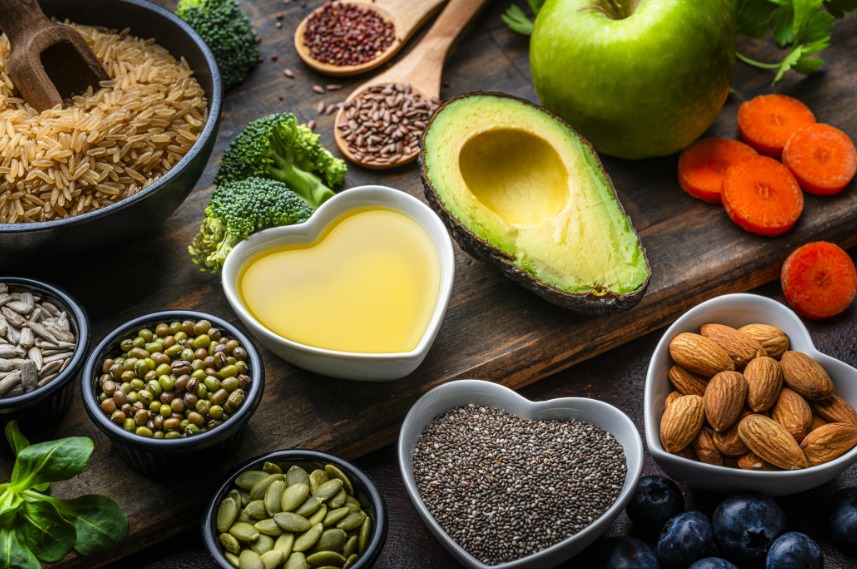
Why Food Choices Decide How Fast Belly Fat Reduces
One of the most common surprises people experience is realizing that exercise alone cannot outwork consistently unbalanced eating habits.
Morning walking improves how the body uses energy, but nutrition determines whether fat stores shrink or stay the same.
Certain nutrients make fat loss easier and more sustainable.
Protein Supports Metabolism and Controls Hunger
Protein helps maintain muscle, which keeps metabolism active even during rest.
Common protein sources:
- Eggs
- Lentils (dal)
- Paneer
- Greek yogurt
- Chicken
- Tofu
- Nuts
People who eat adequate protein often feel satisfied longer and snack less impulsively.

Fiber Helps Reduce Fat Storage Around the Abdomen
Fiber supports digestion and keeps blood sugar stable, preventing sudden hunger spikes.
Helpful fiber sources:
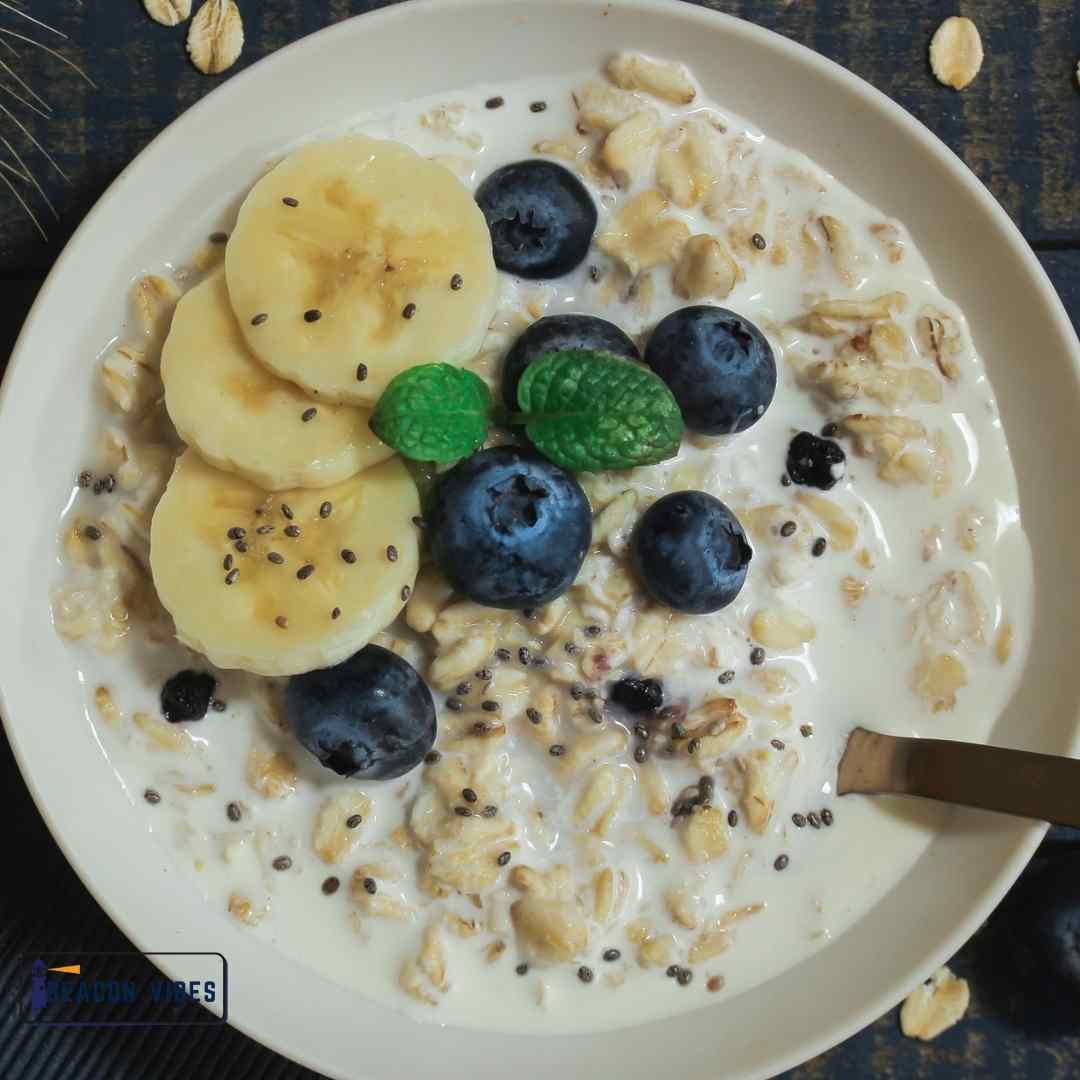
- Oats
- Apples
- Papaya
- Vegetables
- Chia seeds
- Whole grains
Meals rich in fiber often naturally reduce overeating later in the day.
Healthy Fats Support Hormonal Balance
Not all fats contribute to weight gain. Some help control inflammation and support metabolic health.
Balanced options include:
- Almonds
- Walnuts
- Seeds
- Olive oil
- Peanut butter in moderate amounts

Hydration Quietly Supports Fat Loss
Even mild dehydration can slow metabolism.
Simple habit:
- Drink 1–2 glasses of water before walking
- Aim for 2–3 litres throughout the day
Hydration also helps manage appetite and energy levels.
Why Morning Time Often Works Best
Many people prefer morning walks not just for convenience but because it sets a positive tone for the day.
Walking early may:
- Encourage the body to use stored fat as energy
- Improve focus and mood
- Reduce stress levels throughout the day
- Build a stable routine that is easier to maintain long-term
- Improve sleep rhythm
Early sunlight exposure also supports hormonal balance connected to metabolism.
That said, the best walking time is always the one that fits consistently into daily life.
Small Lifestyle Habits That Make Walking More Effective
Walking becomes far more powerful when paired with a few supportive habits.
Strength exercises two or three times weekly
Muscle tissue burns more calories than fat, even at rest.
Consistent sleep schedule
Sleeping less than 6 hours regularly can increase hormones associated with fat storage.
Reduced sugar intake
Frequent sugary drinks, biscuits, and desserts slow progress more than most people expect.
Stress management
Chronic stress elevates cortisol, a hormone linked to abdominal fat accumulation.
Gentle practices such as breathing exercises, stretching, or quiet time outdoors can help regulate stress responses.
Common Reasons People Walk but See Slow Results
It is quite normal for progress to feel slow initially.
Frequent obstacles include:
- Walking very slowly without increasing pace
- Rewarding the walk with high-calorie snacks
- Sitting most of the day after exercising
- Expecting visible change within one or two weeks
- Skipping walks frequently
- Consuming sugary tea multiple times daily
Visible changes in belly fat often begin appearing after 4–8 weeks of steady effort.
Clearing Up Some Common Misunderstandings
Walking alone should flatten the stomach quickly
Fat loss is gradual and influenced by daily habits beyond exercise.
More sweating means more fat loss
Sweat reflects temperature regulation, not necessarily fat reduction.
Only intense gym workouts reduce belly fat
Consistent moderate movement can also produce meaningful results.
It is possible to lose fat only from the belly
The body loses fat overall, though abdominal changes often become noticeable first.
Situations Where Extra Care Is Helpful
Walking is considered safe for most adults, but caution may be useful for:
- Individuals with knee discomfort
- Those with heart conditions
- People recovering from medical procedures
- Individuals experiencing dizziness or breathing difficulty
- Those significantly overweight beginning activity after long inactivity
Starting gradually allows the body to adapt comfortably.
A Gentle 7-Day Starter Plan
Day 1–2
20 minutes comfortable pace
Day 3–4
30 minutes slightly brisk pace
Day 5
35 minutes brisk pace
Day 6
40 minutes brisk pace
Day 7
Rest or relaxed walk
Increasing time slowly helps prevent fatigue and builds long-term consistency.
The Real Takeaway
Morning walking is not a dramatic or extreme strategy. That is precisely why it works.
It fits into real lives.
It does not demand perfection.
It supports both physical and mental health.
When combined with balanced eating, adequate sleep, and daily movement, a simple morning walk can gradually reshape not only the waistline but also overall wellbeing.
Change rarely comes from intense short bursts of motivation. It usually comes from small actions repeated quietly over time.
A consistent morning walk may seem modest, but over months, it often becomes one of the most reliable habits for reducing belly fat and maintaining lifelong health.