How to Gain Muscle, No Matter Who You Are

The Moment Most People Realize Building Muscle Isn’t as Simple as It Looks
A lot of people begin their fitness journey the same way: motivated, hopeful, maybe even excited after buying new workout clothes or signing up for a gym membership. The first few sessions feel productive. Muscles feel sore — which must mean something is working, right?
But weeks pass, and the mirror doesn’t reflect the effort.
Work gets busy. Meal prep becomes inconsistent. Advice online starts to feel overwhelming — high protein, low carb, bulk, cut, lift heavy, lift light. Everyone seems to have a different answer.
Here’s the reassuring truth: building muscle is far less complicated than the internet makes it seem. It’s not reserved for professional athletes or people with perfect genetics. It’s a gradual biological process that responds to consistency more than intensity.
Over the years, fitness research and expert consensus have pointed toward a simple formula: challenge your muscles regularly, feed them properly, and give them time to recover.
Whether you’re working long hours, restarting fitness after a break, or stepping into a gym for the first time, muscle growth is still very much within reach.
What Muscle Growth Really Means (And Why It Takes Time)

Muscle growth — known scientifically as hypertrophy — happens when muscle fibers experience small amounts of stress during resistance training. In response, the body repairs those fibers and makes them slightly stronger and thicker.
It’s less dramatic than social media suggests, but far more reliable.
Three elements consistently show up in research as key drivers of muscle gain:
Progressive Overload
Muscles adapt when they’re asked to do slightly more than they’re used to — a little more weight, an extra repetition, or improved control of movement.
Sufficient Protein Intake
Protein provides amino acids, which act as building blocks for repairing muscle tissue after workouts.
Recovery and Rest
Muscles don’t grow during exercise. They grow during recovery — when the body has the time and resources to rebuild.
This explains why people who train intensely but sleep poorly often feel stuck in their progress.
The Most Effective Workouts Aren’t the Most Complicated

You don’t need a complicated routine filled with dozens of exercises. Some of the most effective training programs are built around a small number of well-executed movements.
Why Compound Exercises Work So Well
Compound exercises engage multiple muscle groups at once. This means more efficiency, especially for people balancing work, family, and personal commitments.
Some foundational movements include:
- Squats for legs and core strength
- Deadlifts for back, glutes, and overall stability
- Push-ups or bench press for chest and arms
- Rows or pull-ups for upper back strength
- Shoulder presses for balanced upper body development
These exercises stimulate a larger portion of muscle fibers, which helps encourage growth across the body rather than in isolated areas.
A Simple Weekly Structure That Works

A balanced routine can fit into most schedules:
Day 1 – Upper Body Focus
Push-ups or bench press
Rows
Shoulder press
Bicep curls
Day 2 – Lower Body Focus
Squats
Lunges
Deadlifts
Calf raises
Day 3 – Full Body
Combination of upper and lower exercises
Workouts don’t have to be perfect to be effective. Showing up consistently matters far more than optimizing every detail.
Nutrition for Muscle Gain: Where Most Progress Is Quietly Won

Many people underestimate how important nutrition is for muscle growth. Exercise creates the stimulus, but food provides the raw material.
Without proper nutrition, the body simply doesn’t have enough resources to build new tissue.
Protein: The Building Block of Strength
Protein supports muscle repair after workouts and helps maintain lean muscle mass.
Common accessible options include:
Indian sources
Paneer
Dal
Chickpeas
Rajma
Tofu
Curd
Global sources
Eggs
Greek yogurt
Fish
Chicken
Quinoa
Soy products
Spacing protein intake across meals often helps the body use it more efficiently.
Carbohydrates: Often Misunderstood, Often Necessary
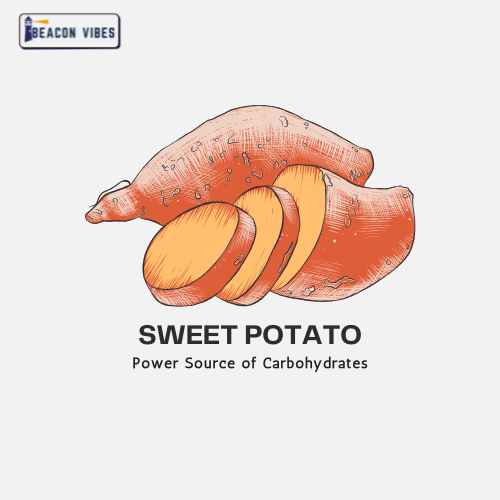
Carbohydrates provide energy for workouts. Without enough fuel, training intensity tends to drop — which affects muscle growth over time.
Helpful sources include:
Oats
Brown rice
Whole wheat roti
Fruits
Sweet potatoes
Millets
Healthy Fats: Quietly Supporting Hormones
Healthy fats contribute to hormone balance, including hormones involved in recovery.
Good options include:
Nuts
Seeds
Olive oil
Peanut butter
Avocados
Timing Matters Less Than Consistency
Eating a balanced meal within a few hours before and after workouts helps support recovery.
Simple examples:
Pre-workout
Banana with peanut butter
Oats with milk
Roti with paneer
Post-workout
Dal with rice
Eggs with toast
Yogurt with nuts
Common Eating Mistakes That Slow Progress
- Undereating without realizing it
- Avoiding carbohydrates completely
- Relying only on supplements
- Skipping meals after workouts
- Expecting results from protein alone
Muscle gain rarely comes from one “perfect” food — it comes from consistent overall patterns.
Recovery: The Part Most People Rush Past

In many ways, recovery is where progress actually happens.
Training creates microscopic stress in muscle tissue. Recovery allows the body to repair that stress in a way that makes the muscle stronger.
Sleep plays an especially important role.
Research indicates that sleep supports the production of hormones involved in muscle repair and adaptation.
Most adults benefit from 7–9 hours of sleep per night.
Other helpful recovery habits include:
Staying hydrated
Taking rest days seriously
Stretching regularly
Managing stress levels
Avoiding excessive daily fatigue
Chronic stress may slow recovery by keeping cortisol levels elevated.
How Long Does It Actually Take to See Results?
This is where expectations often need adjustment.
Strength improvements often appear within the first month, especially for beginners. Visible muscle definition usually takes longer — often several weeks or a few months of consistent effort.
Muscle gain happens gradually, often without dramatic weekly changes. Many people notice progress more clearly in photos or in how clothes fit rather than day-to-day mirror checks.
Patience plays a bigger role than most people expect.
Muscle Building for Different Real-Life Schedules

Different lifestyles require slightly different approaches.
For Busy Professionals
Efficiency becomes important.
Shorter workouts of 30–40 minutes can still produce results when focused on compound exercises.
Preparing simple, repeatable meals often reduces decision fatigue.
Morning or early evening workouts tend to be easier to maintain consistently.
For Beginners
Starting simple often works best.
Bodyweight exercises help build coordination and confidence before adding heavier resistance.
Tracking progress — even small improvements — can provide motivation during slower weeks.
For Adults Over 40
Maintaining muscle mass becomes increasingly valuable with age.
Strength training may help support mobility, metabolism, and overall physical independence.
Slightly longer recovery time between sessions is often helpful.
Mobility and joint-friendly movements become more important.
Muscle growth remains achievable at every stage of adulthood.
Common Muscle Gain Myths That Deserve Retirement
“Supplements Are Necessary”
Supplements can be convenient, but whole foods provide the majority of nutrients most people need.
“More Workouts Mean Faster Results”
Muscle growth depends on recovery as much as training.
“Carbohydrates Cause Fat Gain”
Balanced carbohydrate intake supports energy levels and training performance.
“Only Certain Body Types Can Build Muscle”
Genetics influence the pace of progress, not the possibility.
Consistency continues to outperform perfection.
Who Should Take Extra Care

Strength training is widely considered safe for most people, but additional guidance may be helpful for:
People managing heart conditions
Individuals with joint injuries
Those recovering from surgery
People with chronic metabolic conditions
Anyone returning to exercise after a long gap
Consulting a qualified professional can provide reassurance and personalized adjustments.
Listening to the body’s signals is always valuable.
A More Sustainable Way to Think About Muscle Growth
Muscle gain rarely comes from a single breakthrough moment. It tends to emerge quietly from repeated small decisions.
Choosing a balanced meal instead of skipping one.
Completing a short workout even on a busy day.
Going to bed slightly earlier to support recovery.
Individually, these actions may feel minor. Over months, they create visible change.
Strength is not built in extremes. It’s built in consistency.
No matter your starting point, progress remains possible when effort aligns with patience.
The process may feel slow at times, but the benefits extend beyond appearance — improved energy, resilience, posture, and long-term health.
Build steadily. Adjust when needed. Stay consistent enough for results to catch up.
That approach works for almost everyone willing to give it time.