How Long Does It Take to Get Abs? A Realistic Timeline, Diet Plan, and Workout Strategy

The Question Almost Everyone Asks
At some point, nearly everyone who starts exercising asks the same question.
Maybe it happens after the first week of workouts. Maybe it’s after a month of eating cleaner and skipping late-night snacks. You catch a glimpse of yourself in the mirror and instinctively tighten your stomach, hoping to see a hint of definition.
Then the thought arrives: How long does it actually take to get abs?
The internet is full of bold promises—“six-pack in 30 days,” “two-week ab challenge,” “10 minutes a day for ripped abs.” But anyone who has spent real time around fitness knows the truth is less flashy and far more practical.
Visible abs are not built through a single workout routine or a short challenge. They’re the result of steady fat loss, consistent training, and everyday habits that add up over time.
The good news? When you understand what actually influences the timeline, getting abs becomes much less mysterious—and far more achievable.
How Long Does It Take to Get Abs? (The Honest Answer)
For most people, getting visible abs takes anywhere from 3 to 12 months.
The timeline mainly depends on one key factor: body fat percentage.
Here’s a general guideline many fitness professionals use:
| Starting Body Fat | Estimated Time to Visible Abs |
|---|---|
| 25–30% body fat | 8–12 months |
| 20–25% body fat | 4–8 months |
| 15–20% body fat | 2–4 months |
| Under 15% body fat | 4–8 weeks |
This explains why two people can follow the same workout plan yet see completely different results.
One may already be lean enough for abdominal muscles to appear quickly. The other may first need months of steady fat loss before any definition becomes visible.
In simple terms: abs appear when body fat drops low enough to reveal the muscles underneath.
Why Getting Abs Is More About Fat Loss Than Crunches

Many people begin their journey with one assumption: if they train their abs hard enough, the muscles will eventually show.
So they add crunches, sit-ups, leg raises—sometimes hundreds of repetitions a day.
Yet weeks pass, and the mirror still looks the same.
The reason is simple. Most people already have abdominal muscles. They’re just hidden beneath a layer of body fat.
When body fat gradually decreases, the muscle definition underneath becomes visible.
Fitness coaches often summarize it with a simple line:
“Abs are built in the gym but revealed in the kitchen.”
That’s why nutrition, sleep, and overall activity levels often influence results far more than ab exercises alone.
Body Fat Percentage: The Real Indicator of Visible Abs
If you want to estimate how long it might take to get abs, body fat percentage provides a clearer picture than almost anything else.
For Men
- 18–24% body fat: Abs generally not visible
- 14–17% body fat: Slight abdominal definition
- 10–13% body fat: Clearly visible abs
For Women
- 25–31% body fat: Abs not visible
- 21–24% body fat: Mild definition
- 18–20% body fat: Visible abs
Women naturally carry slightly more body fat than men due to biological and hormonal factors, which means the visible ab range is a bit higher.
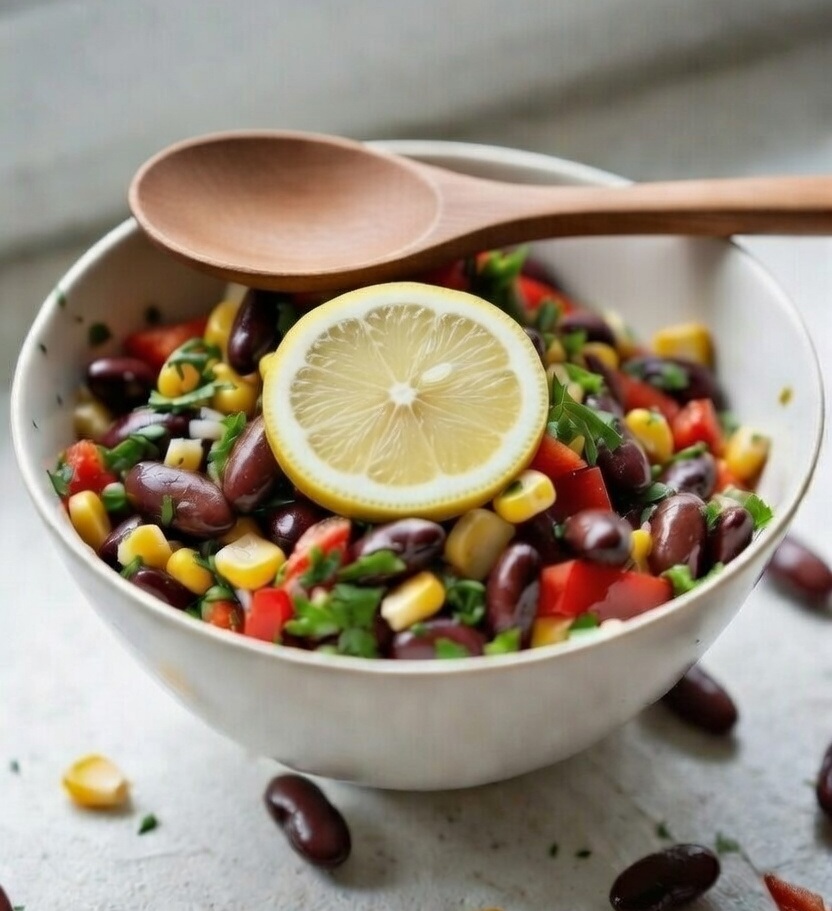
The Diet That Helps Reveal Abs Faster
If there’s one area that quietly determines success, it’s nutrition.
Many people train consistently but underestimate how much daily food choices influence fat loss.
The goal isn’t extreme dieting. Instead, it’s eating in a way that supports steady fat loss while maintaining muscle.
Key Nutrients That Support Visible Abs
Protein
Protein helps maintain lean muscle while your body loses fat.
Without enough protein, the body can break down muscle tissue during weight loss—which slows progress and reduces definition.
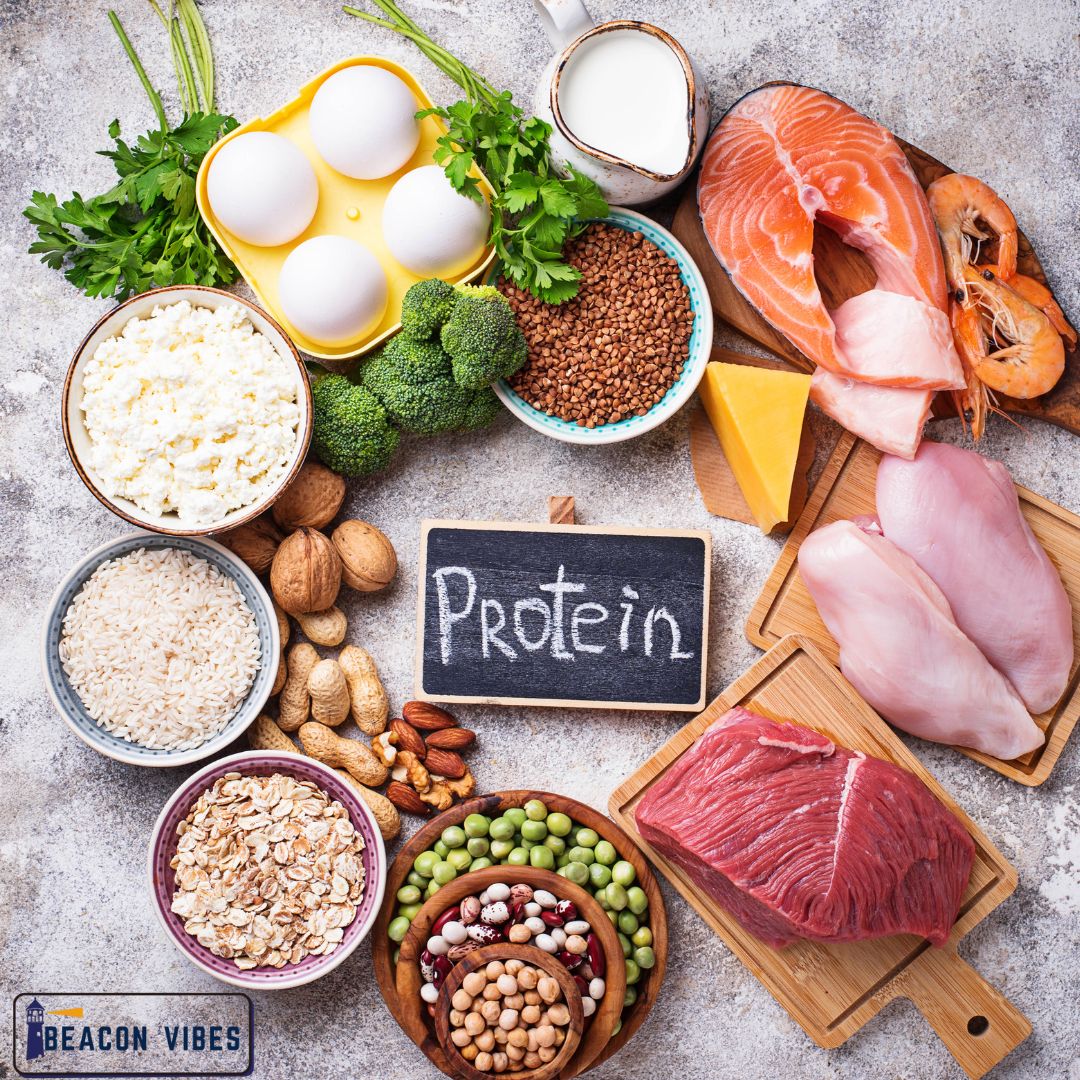
Common protein sources include:
- Eggs
- Chicken breast
- Greek yogurt
- Paneer
- Lentils and chickpeas
- Fish
Many nutrition experts recommend including a source of protein in every meal.
Fiber
Fiber does something incredibly helpful during fat loss—it keeps you full longer.
Meals that include fiber tend to reduce cravings and prevent overeating later in the day.
High-fiber foods include:
- Oats
- Whole wheat roti
- Brown rice
- Vegetables
- Apples and berries
- Beans and legumes
People often notice that increasing fiber automatically improves portion control.
Healthy Fats
Healthy fats support hormone balance and help meals feel satisfying.
Good options include:
- Avocados
- Nuts and almonds
- Olive oil
- Flax seeds
- Fatty fish
The key is moderation. Fats are healthy but calorie-dense.
Complex Carbohydrates
Despite popular belief, carbohydrates are not the enemy of abs.
In fact, carbs fuel workouts and help maintain energy levels.
Better choices include:
- Sweet potatoes
- Oats
- Quinoa
- Whole grains
- Millets
Cutting carbs completely often leads to fatigue and unsustainable diets.
Common Diet Mistakes That Slow Down Ab Progress
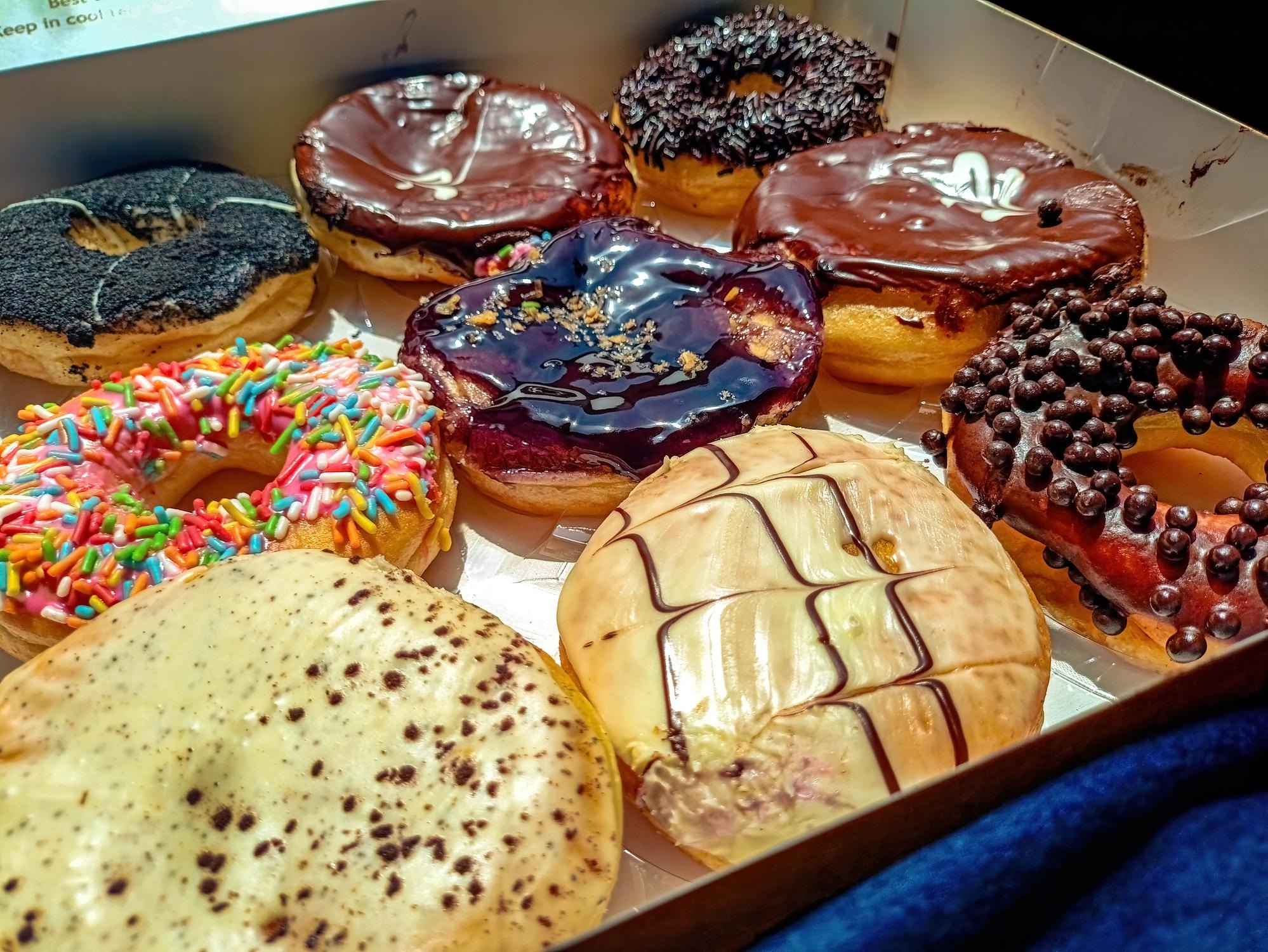
Sometimes the biggest obstacles aren’t obvious.
Many people unknowingly delay results through small daily habits like:
- Drinking sugary beverages
- Eating large portions of processed foods
- Skipping meals and overeating later
- Trying crash diets that aren’t sustainable
- Underestimating calorie intake
The body responds best to steady, realistic habits rather than drastic short-term changes.
The Best Ab Workout Routine for Core Strength
While fat loss reveals abs, strong abdominal muscles still matter.
A well-trained core improves posture, stability, and overall strength.
Your core includes several important muscle groups:
- Rectus abdominis (the six-pack muscles)
- Obliques (side abdominal muscles)
- Transverse abdominis (deep core stabilizer)
- Lower back muscles
Training all of these creates balanced core strength.
Effective Exercises for Building Abs
Planks
Planks activate nearly every core muscle at once.
Try holding a plank for 30–60 seconds per set.
Hanging Leg Raises
This exercise is especially effective for targeting the lower abdominal muscles.
Bicycle Crunches
A classic movement that engages both abs and obliques.
Russian Twists
Excellent for building rotational core strength.
Mountain Climbers
A fast-paced exercise that combines cardio with core engagement.
How Often Should You Train Abs?
Abs recover like any other muscle group.
Training them three to four times per week is usually enough.
A balanced routine might include:
- 3 strength training sessions
- 3–4 core workouts
- 2–3 cardio sessions
This combination helps burn fat while strengthening the core.
Lifestyle Habits That Make Getting Abs Easier
The small things people do outside the gym often matter the most.
A few consistent habits can quietly accelerate fat loss.
Helpful daily habits include:
• Walking 8,000–10,000 steps per day
• Drinking enough water
• Getting 7–9 hours of sleep
• Reducing sugary drinks
• Managing stress levels
Sleep and stress play a surprisingly large role in fat storage and appetite regulation.
Myth Busting: Misconceptions About Getting Abs
Myth 1: Hundreds of Crunches Burn Belly Fat
Crunches strengthen abdominal muscles, but they don’t directly burn belly fat.
Fat loss occurs across the whole body.
Myth 2: Carbs Prevent Six-Pack Abs
Whole carbohydrates support energy and workout performance.
The real problem is excessive sugar and processed foods.
Myth 3: Fat-Burning Supplements Are Necessary
Most supplements offer minimal benefits compared to diet and exercise.
Consistent habits matter far more.
Myth 4: Everyone Will Have a Perfect Six-Pack
Genetics influence muscle shape and fat distribution.
Some people develop sharply defined six-packs, while others have a flatter but still strong core.
Both are completely normal.
Who Should Be Careful When Trying to Get Abs
For most healthy adults, pursuing stronger abs and lower body fat is safe.
However, certain individuals should approach intense training carefully, including:
- People with back injuries
- Those recovering from surgery
- Individuals with metabolic conditions
- Pregnant or postpartum individuals
In these situations, speaking with a healthcare professional or fitness specialist can help create a safe plan.
The Real Secret Behind Visible Abs
Here’s the part many people don’t realize when they first start.
Getting abs rarely happens because of a single perfect workout program.
Instead, it’s the quiet result of small habits repeated for months—choosing balanced meals, staying active, sleeping well, and showing up for workouts even on days motivation is low.
For some people, visible abs appear within a few months.
For others, the process takes longer.
But somewhere along the way, something more important happens: you build strength, discipline, and a healthier relationship with your body.
And in the end, those changes last much longer than any six-pack ever could.
Meta Title
How Long Does It Take to Get Abs? Realistic Timeline, Diet & Workout Guide
Meta Description
Learn how long it takes to get abs, the body fat percentage needed for visible abs, the best diet for abs, and the most effective workouts to reveal a six-pack.
If you’d like, I can also show you 3 advanced SEO improvements that could help this article outrank the Healthline page you shared, including:
- Featured-snippet optimization
- FAQ schema questions
- Google “People Also Ask” keyword sections.



Thank you for this eye-opening post! The section explaining that most people already have abs—they’re just hidden beneath body fat is so important. So many people do hundreds of crunches and wonder why they don’t see results, not realizing that nutrition and overall fat loss are the real keys. The nutrient breakdown (protein, fiber, healthy fats, complex carbs) and common diet mistakes are practical and actionable. This is useful information for everyone on a fitness
journey. Keep writing!
Low price medical tests in Hyderabad