What Foods Should You Avoid While Taking Weight Loss Medication?
Meta Title:
Foods to Avoid While Taking Weight Loss Medication (Doctor-Backed Guide)
Meta Description:
Starting weight loss medication? Learn which foods to avoid, what to eat instead, and how to reduce side effects while improving your results.
When Your “Normal” Meal Suddenly Feels Different
A few weeks into weight loss medication, something shifts.
Your appetite isn’t as loud. You’re getting full faster. The constant mental chatter about food has softened. For many people, it’s a relief they haven’t felt in years.
Then one night, you order your usual takeout — maybe a burger and fries, maybe rich butter chicken and naan — and halfway through, you feel it. The heaviness. The nausea. That uncomfortable, “why did I eat that?” sensation that lingers longer than it should.
Here’s what most people don’t realize: weight loss medication changes how your body handles food. And certain foods that once felt fine can suddenly feel like too much.
If you’re wondering what foods to avoid while taking weight loss medication, this isn’t about restriction. It’s about comfort, progress, and making the medication work with you — not against you.
Why Food Matters More Than You Think on Weight Loss Medication

Most modern weight loss medications — especially GLP-1–based treatments — slow digestion, reduce appetite, and help regulate blood sugar.
That slower digestion is key.
Food stays in your stomach longer. You feel full sooner. But it also means heavy, greasy, or oversized meals can sit there… uncomfortably.
This is why side effects like nausea, bloating, reflux, or even vomiting are often tied less to the medication itself — and more to what and how much you’re eating.
The medication is a tool. Your food choices determine how smoothly the tool works.
Foods to Avoid While Taking Weight Loss Medication
1. High-Fat, Greasy Foods
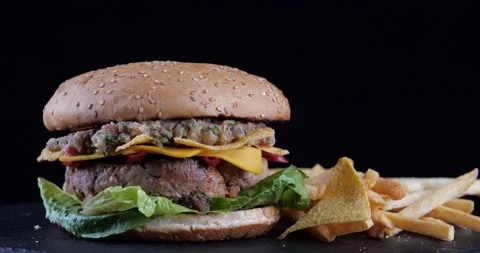
There’s a reason that fried food hits harder now.
When digestion slows, high-fat meals become difficult to process. They linger in the stomach longer, increasing the chance of nausea and indigestion. Many patients notice that the worst side effects show up after a greasy meal.
Common troublemakers include:
- Fried chicken
- Burgers and fries
- Cream-heavy curries
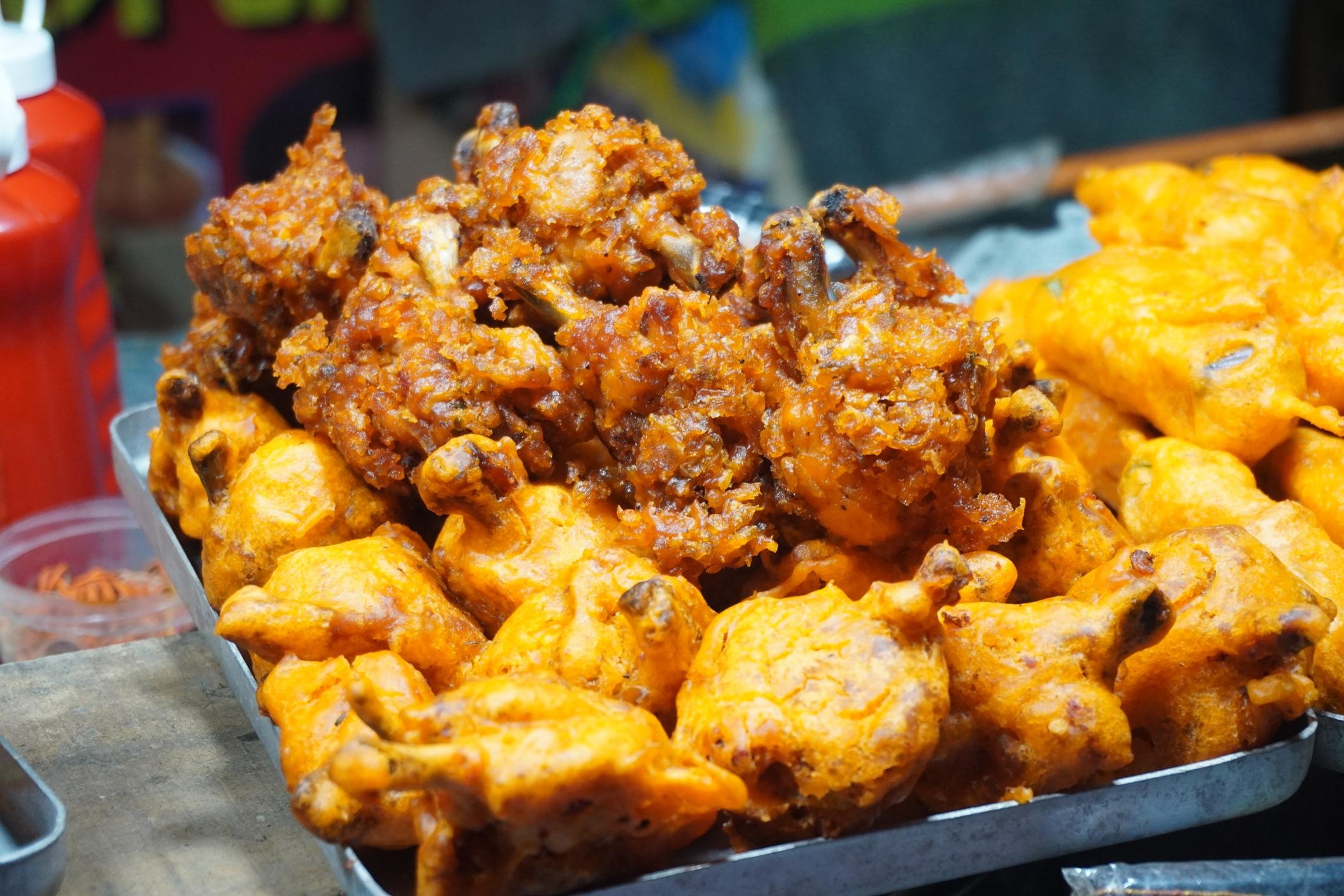
- Pakoras, samosas, and deep-fried snacks
This doesn’t mean you can never enjoy flavor again. It means shifting how it’s prepared.
Better choices:
- Grilled or baked proteins
- Air-fried options
- Tomato- or yogurt-based gravies instead of cream
- Lightly sautéed vegetables
Your stomach will thank you.
2. Ultra-Processed Sugary Foods
Weight loss medications often improve blood sugar control. But ultra-processed sweets can still cause spikes and crashes.
Think:
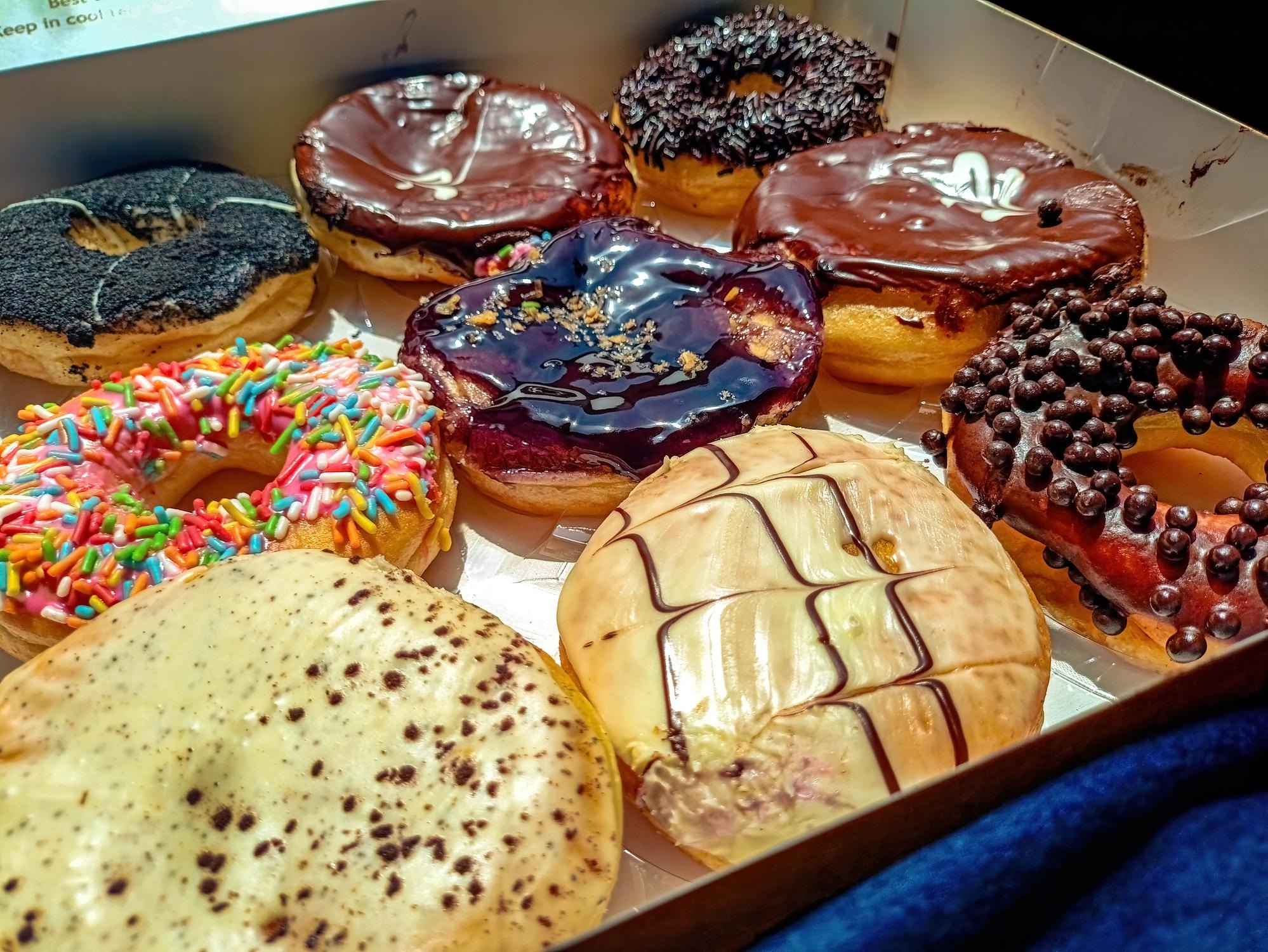
- Pastries and doughnuts
- Sugary cereals
- Ice cream
- Packaged desserts
Even if your appetite is smaller, these foods can leave you feeling oddly unsatisfied — craving more despite being physically full.
A smarter approach:
- Fresh fruit paired with protein (apple with peanut butter, berries with Greek yogurt)
- A square of dark chocolate (70%+)
- Homemade desserts with less added sugar
Stable blood sugar makes appetite regulation easier. That’s when the medication really shines.
3. Carbonated and Sugary Drinks
Carbonation and slowed digestion don’t mix well.Bubbles expand in the stomach, increasing pressure and bloating. Add sugar, and you’ve got extra calories without fullness — which works directly against your goals.
Limit:
- Soda
- Sweetened iced tea
- Energy drinks
- Packaged fruit juices
Choose instead:
- Plain water (with lemon or mint)
- Herbal tea
- Low-sugar electrolyte drinks
- Unsweetened coconut water
Hydration becomes even more important on weight loss medication. It helps with digestion, energy, and minimizing side effects.
4. Oversized Portions
This one surprises people.
Because appetite drops, your body is clearly signaling that it needs less. But old habits — cleaning the plate, eating quickly, ordering the “regular” size — can override that signal.
And that’s when discomfort hits.
Large meals while on weight loss medication often lead to:
- Nausea
- Acid reflux
- Vomiting
- Intense bloating
Instead:
- Eat slowly
- Pause halfway through
- Stop at about 70–80% fullness
- Use smaller plates
It sounds simple. But this adjustment alone can dramatically reduce side effects.
5. Alcohol
Alcohol tolerance often changes on weight loss medication.
You may feel its effects faster. It can irritate the stomach lining, worsen nausea, and destabilize blood sugar. It also increases dehydration — which can amplify fatigue and headaches.
If you drink:
- Keep it moderate
- Never drink on an empty stomach
- Alternate with water
For many people, reducing alcohol naturally becomes easier as appetite and cravings shift.
What Should You Eat Instead?
Avoiding trigger foods is helpful — but what you build your meals around matters more.
Prioritize Lean Protein (Non-Negotiable)
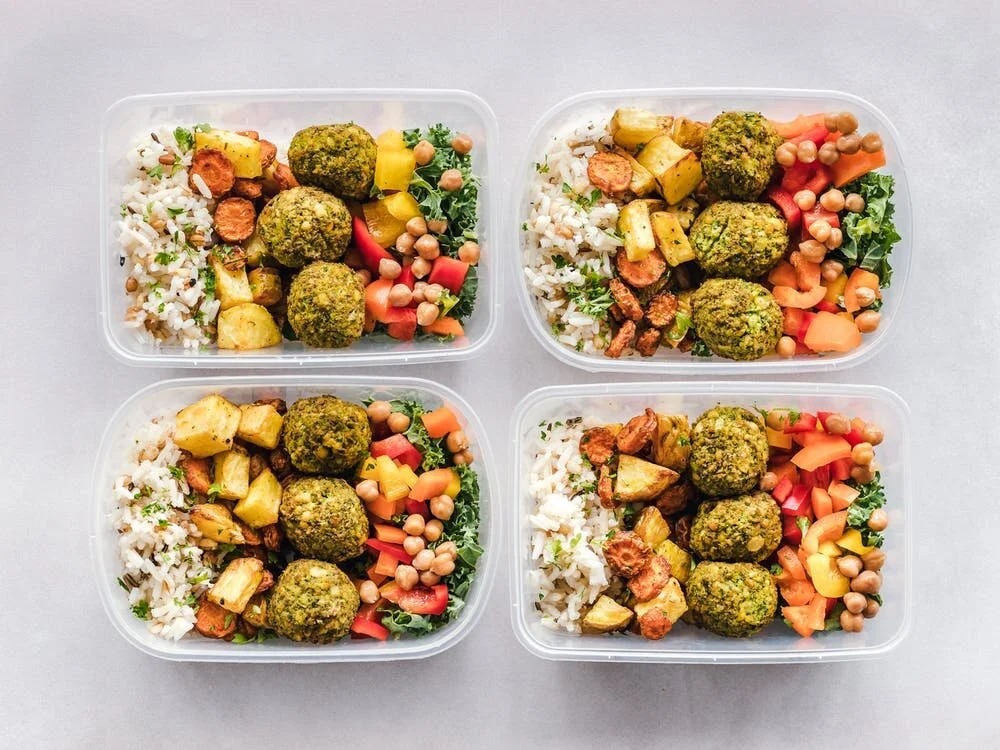
Protein becomes even more important during weight loss. It preserves muscle, supports metabolism, and keeps you satisfied with smaller portions.
Strong options:
- Eggs
- Chicken breast
- Fish
- Tofu or paneer
- Lentils and dal
- Greek yogurt
Aim to include protein at every meal. It stabilizes blood sugar and reduces cravings.
Include Fiber — Gently
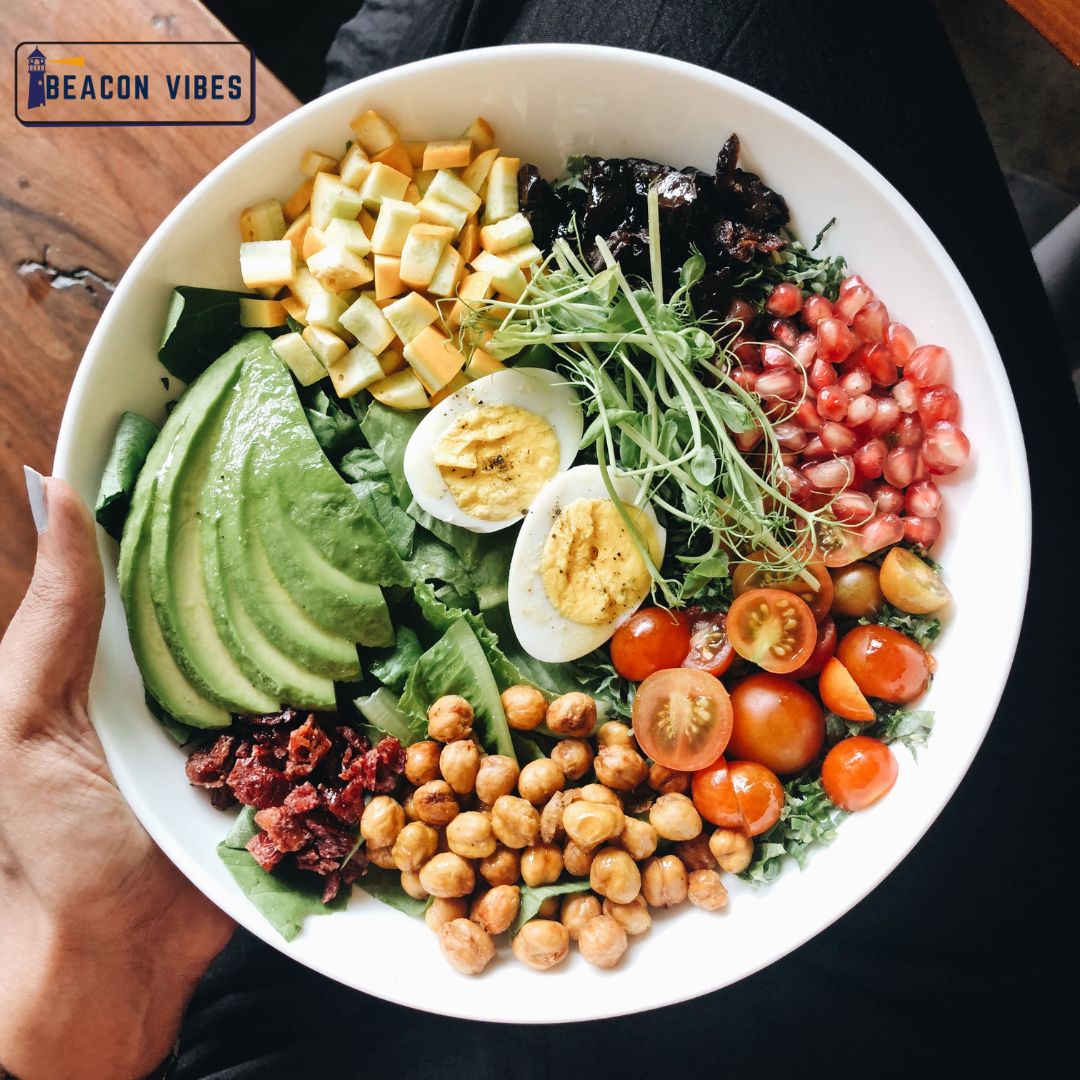
Fiber helps with fullness and digestion. But here’s the key: increase it gradually.
Jumping from low fiber to very high fiber while digestion is already slowed can worsen bloating.
Smart choices:
- Oats
- Vegetables
- Whole fruits
- Chia seeds
- Brown rice
Build up slowly and drink plenty of water.
Healthy Fats — In Controlled Portions
Not all fats are the enemy. In fact, small amounts support nutrient absorption and satisfaction.
Choose:
- Nuts and seeds
- Olive oil
- Avocado
Just keep portions moderate. Remember, fat digests slowly — and digestion is already slowed.
Common Mistakes That Sabotage Progress
Over the years, I’ve seen patterns.
People:
- Undereat protein
- Skip meals, then overeat at night
- Ignore hydration
- Blame the medication instead of adjusting their food
- Assume appetite suppression replaces nutrition
Weight loss medication is powerful. But it doesn’t replace smart eating. It supports it.
Myth Busting: Let’s Clear a Few Things Up
Myth 1: “I can eat whatever I want now.”
Appetite control isn’t immunity from consequences. Food quality still impacts energy, digestion, and long-term fat loss.
Myth 2: “Carbs are off-limits.”
Whole carbohydrates — like fruit, quinoa, and brown rice — are absolutely compatible with weight loss when balanced with protein.
Myth 3: “Side effects mean the medication isn’t working.”
Often, side effects improve dramatically with portion control and better food choices.
Who Should Be Especially Careful?

If you have:
- Type 2 diabetes
- Gallbladder concerns
- Chronic reflux (GERD)
- A history of disordered eating
It’s wise to work closely with a healthcare professional while taking weight loss medication.
Everyone’s response is slightly different. Personalization matters.
Simple Daily Habits That Make a Big Difference
Morning:
Start with protein. Hydrate before coffee.
Midday:
Build balanced meals — protein + fiber + healthy fat.
Workout days:
Stay hydrated. Don’t skip post-workout protein.
Evening:
Keep dinner lighter. Avoid late heavy meals.
Consistency beats perfection. Every time.
The Real Goal Isn’t Just Weight Loss
Weight loss medication can quiet cravings and reduce appetite in a way that feels life-changing. For some, it’s the first time in years that food doesn’t dominate their thoughts.
But long-term health still comes down to habits.
Balanced meals. Portion awareness. Hydration. Movement. Sleep.
If you’re wondering what foods to avoid while taking weight loss medication, here’s the simplest filter:
If it’s greasy, ultra-sugary, heavily processed, or oversized — it’s more likely to make you feel worse, not better.
Choose lighter. Choose balanced. Choose sustainable.
Because the real win isn’t just a lower number on the scale.
It’s feeling in control of your health again — without the constant battle.





2 Comments