No Time, No Gym, No Excuses: Staying Active in the Busiest Months

When Life Gets Loud, Health Gets Quiet
It usually doesn’t happen overnight. One skipped workout turns into a missed week. A few late nights become the norm. You tell yourself it’s temporary — just a busy phase. Work is intense. Family needs attention. There’s always something more urgent than exercise.
And yet, weeks later, you feel it. Your back is stiffer. Energy dips by mid-afternoon. Sleep feels lighter, less restorative. Nothing is wrong, exactly — but nothing feels quite right either.
This is how health slips for most adults. Not through neglect, but through overload. The busiest months don’t announce themselves as dangerous to your wellbeing — they simply crowd it out.
Here’s the reassuring truth: staying active during demanding seasons doesn’t require extra time, gym memberships, or heroic discipline. It requires a different definition of fitness — one that fits into real life, not an ideal one.
Why Busy Seasons Are When Movement Matters Most
When life speeds up, the body quietly absorbs the cost.
Stress hormones remain elevated. Muscles stay tense for longer hours. Meals become rushed or delayed. Sleep becomes shallow. Over time, this combination chips away at energy, focus, and physical comfort.
Research consistently suggests that even modest physical activity can counter many of these effects. Movement improves circulation, supports blood sugar control, and helps regulate the nervous system. Experts often describe exercise during stressful periods not as performance training, but as stress management.
In other words, movement isn’t stealing time from your busy life — it’s helping you survive it with more clarity and resilience.
Rethinking “No Time”: Why Short Workouts Actually Work
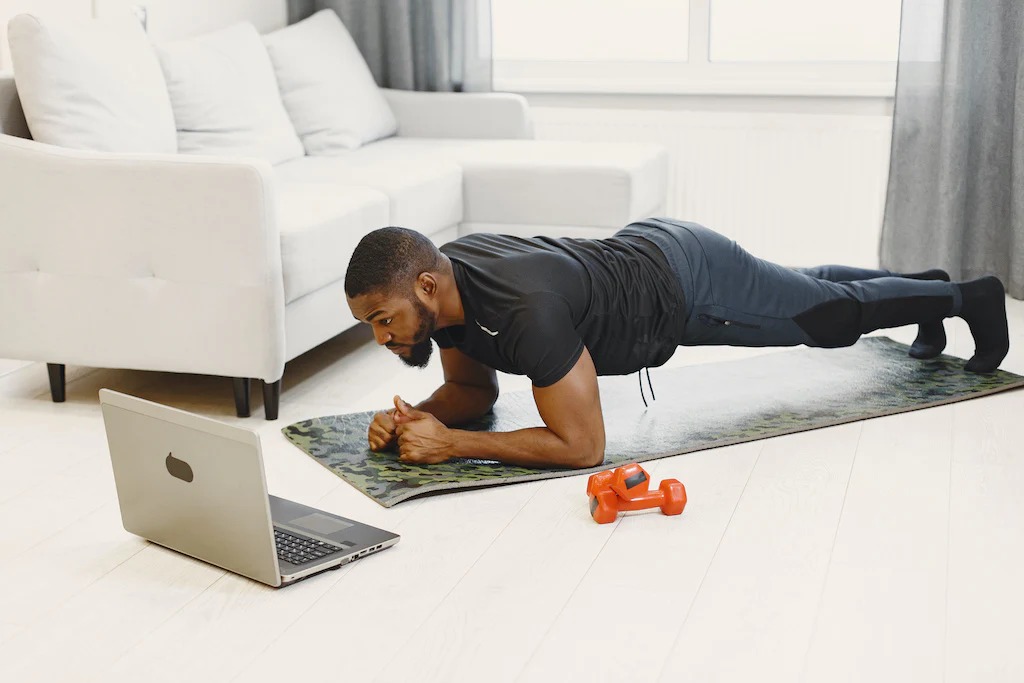
One of the most persistent fitness myths is that exercise must be long to be effective. That belief alone keeps countless people inactive during packed schedules.
The reality is far more forgiving.
Ten to twenty minutes of focused movement can meaningfully support strength, cardiovascular health, and mood — especially when done regularly. Studies indicate that short bouts of activity spread across the day can deliver benefits similar to longer sessions.
This is why so many professionals succeed with:
- A brisk 10-minute walk after meals
- A 15-minute strength circuit in the morning
- Five-minute mobility breaks between meetings
When workouts feel manageable, they stop competing with your calendar — and start fitting into it.
No Gym, No Equipment — Just Your Body and a Little Space
You don’t need a gym floor or fancy equipment to stay fit during busy months. Your body already provides enough resistance to maintain strength and muscle tone.
Simple movements done consistently go a long way:
- Squats or sitting down and standing up from a chair
- Push-ups against a wall or on the floor
- Planks, dead bugs, or bird dogs
- Stair climbing or step-ups
- Lunges or split squats
A short circuit of four or five exercises, repeated twice, can be completed in under 20 minutes — often at home, often without changing clothes.
The goal during high-pressure periods isn’t progress at all costs. It’s preventing regression.

Walking: The Habit That Saves More Health Than It Gets Credit For
If one form of movement deserves more respect, it’s walking.
Walking doesn’t demand recovery days or mental preparation. It fits into phone calls, commutes, and evenings when motivation is low. And yet, it delivers real benefits: improved cardiovascular health, better digestion, reduced anxiety, and steadier energy levels.
Accumulating 6,000–8,000 steps a day — even casually — supports long-term health far more than most people realize. Post-meal walks help regulate blood sugar. Evening walks help decompress the mind.
Walking isn’t a compromise. It’s a strategy.
Nutrition That Actually Supports You When You’re Busy
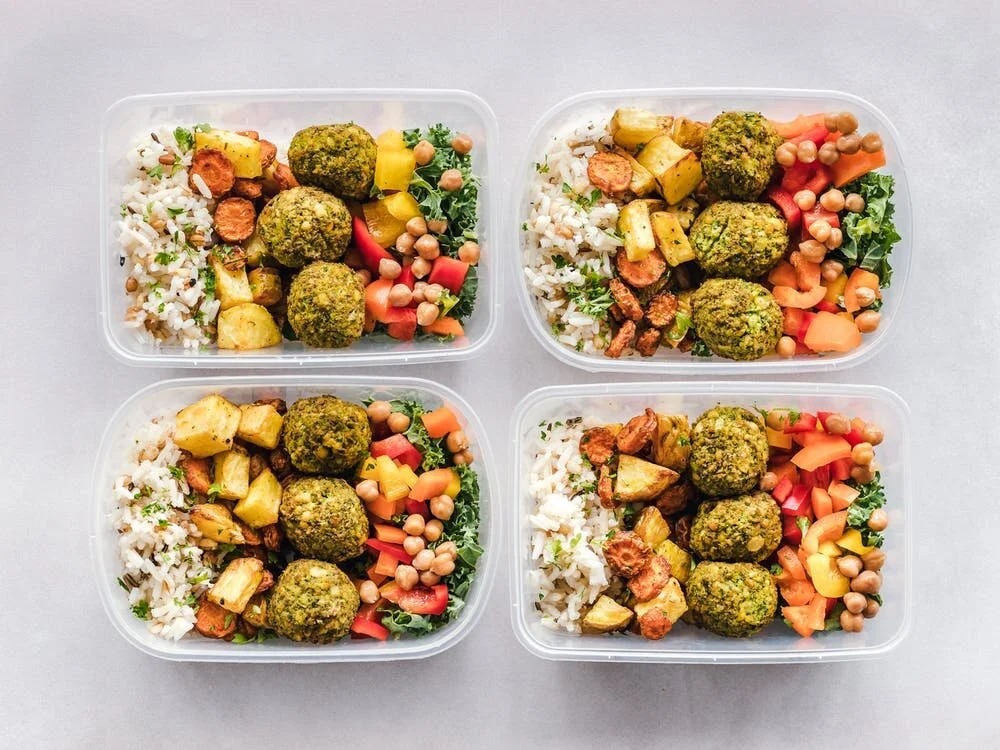
During hectic months, nutrition often swings between extremes: skipped meals followed by overeating, endless coffee, and whatever is fastest.
Instead of chasing perfection, focus on stability.
Nutrients that matter most:
Protein
Helps preserve muscle and keeps hunger steady.
Sources: lentils, paneer, eggs, Greek yogurt, tofu, fish, chicken, nuts
Complex carbohydrates
Provide sustained energy when stress is high.
Sources: oats, brown rice, millets, whole wheat roti, fruits, potatoes
Healthy fats
Support hormones and brain function.
Sources: olive oil, ghee (in moderation), seeds, nuts, avocado
Micronutrients
Magnesium, iron, and B-vitamins support energy metabolism.
Sources: leafy greens, legumes, dairy, seeds, bananas
Practical eating habits:
- Include protein at every main meal
- Don’t skip breakfast during stressful weeks
- Pair carbohydrates with protein to avoid crashes
- Drink water consistently — fatigue is often dehydration in disguise
Common pitfalls:
- Replacing meals with caffeine
- Undereating during the day, overeating late at night
- Cutting carbohydrates entirely during high-stress periods
Food isn’t just fuel — it’s a stabilizer when life feels demanding.
Small Movements That Quietly Add Up

You don’t need to schedule workouts every day. You do need to move daily.
Tiny habits make a difference:
- Stretch for two minutes every hour
- Do squats while waiting for water to boil
- Stand during phone calls
- Gentle mobility before bed
These moments protect joints, ease stiffness, and keep circulation flowing. Over time, they preserve how your body feels — even when life is hectic.
Don’t Forget Recovery (It’s Not Optional)
When schedules are packed, recovery is often the first thing sacrificed — and the first thing that should be protected.
Focus on:
- Consistent sleep routines, even if hours vary
- Light stretching to signal the body it’s safe to rest
- Short breathing or wind-down rituals
Recovery isn’t indulgence. It’s maintenance.
A Few Myths Worth Letting Go Of
“If I can’t work out properly, there’s no point.”
Partial effort, repeated often, is how real consistency is built.
“Busy months are a pause button on fitness.”
They’re actually when movement matters most.
“Home workouts don’t really count.”
Your muscles don’t know where you train — only that you do.
A Gentle Note on Caution
If you’re managing injuries, chronic pain, or medical conditions, keep movement gentle and seek professional guidance when needed. The aim is support, not strain.
The Real Message: Fitness Is a Support System, Not Another Obligation
Staying active during busy months isn’t about willpower. It’s about kindness toward your future self.
Some seasons allow for ambitious training. Others call for maintenance and movement in small doses. Both are part of a healthy life.
The people who stay well long-term aren’t those with perfect routines — they’re the ones who keep showing up for themselves, even when life is loud.
And sometimes, that simply means moving a little — and letting that be enough.