10 Healthy Sleep Hygiene Tips for Deeper, More Restful Sleep
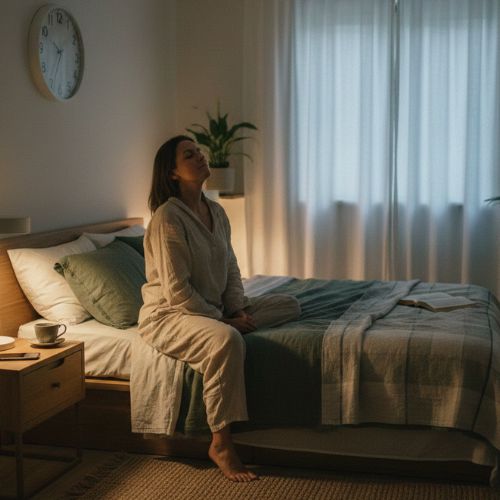
The quiet moment when you realize sleep isn’t working anymore
It usually hits late at night. The house is quiet, the lights are off, and you’re finally in bed—yet your mind refuses to follow. You replay conversations, think about tomorrow’s to-do list, maybe reach for your phone without even realizing it. You’re tired, but not sleepy. And somewhere in that half-awake frustration, a familiar thought shows up: Why is something so natural suddenly so hard?
For many adults, sleep doesn’t fall apart overnight. It erodes slowly—because of stress, screens, irregular schedules, or habits that once felt harmless. That’s where sleep hygiene comes in. Not as a rigid set of rules, but as small, repeatable choices that gently guide your body back toward rest. The following 10 healthy sleep hygiene tips aren’t about perfection. They’re about creating the conditions where good sleep can finally happen again.
What Sleep Hygiene Really Means (Beyond the Buzzword)
Sleep hygiene is simply the collection of habits and environmental cues that tell your brain when it’s time to be alert—and when it’s safe to power down. According to experts at the National Sleep Foundation, most sleep problems aren’t caused by a lack of effort. They’re caused by mixed signals.
Late nights followed by early alarms. Caffeine to push through fatigue. Screens to unwind, even though they do the opposite. Good sleep hygiene clears that confusion.
When it’s done right, it supports deeper sleep, steadier energy, better mood, and improved long-term health—without medication or extreme routines.
1. Go to Bed and Wake Up at the Same Time (Yes, Even on Weekends)
Your body runs on rhythm, not willpower. When sleep and wake times constantly shift, your internal clock never quite knows what to expect.
What helps most:
- Pick a wake-up time you can stick to most days
- Let bedtime adjust naturally based on sleepiness
- Keep weekends within 60–90 minutes of your weekday schedule
Research suggests consistency matters more than squeezing in extra hours here and there.
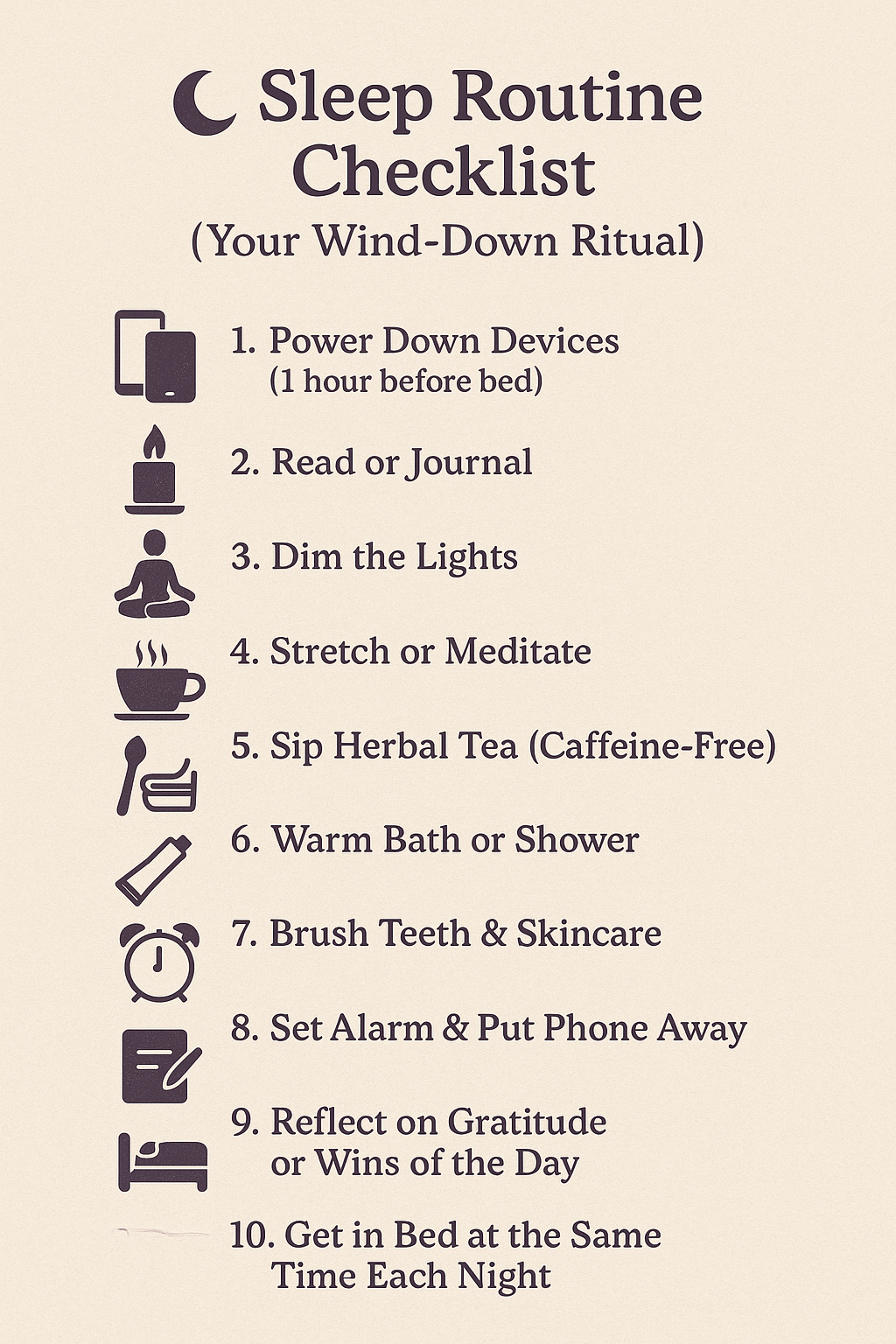
2. Create a Wind-Down Ritual That You Actually Enjoy
Sleep doesn’t switch on instantly. It fades in—if you give it space.
A calming routine tells your nervous system the day is ending. It doesn’t need to be fancy or long.
Simple options that work:
- A warm shower
- Light stretching or breathing
- Reading a few pages of a book
- Writing tomorrow’s worries down instead of carrying them to bed
Do this most nights, and your body starts recognizing the pattern.
3. Treat Your Bedroom Like a Sleep Sanctuary
Your brain forms associations quickly. If your bed becomes a place for emails, scrolling, or stress, sleep becomes harder.
Focus on three things:
- Darkness: blackout curtains or an eye mask
- Cool air: most people sleep best slightly cool
- Quiet: white noise if silence feels too loud
Sleep researchers at Harvard Medical School note that even low light can interfere with melatonin, the hormone that helps you fall asleep.
4. Ease Away From Screens Before Bed
This isn’t about banning technology. It’s about timing and content.
Blue light delays melatonin, but mental stimulation matters just as much. Emails, news, and social media keep the brain alert long after you put the phone down.
More realistic approaches:
- Lower brightness and use night mode
- Avoid emotionally charged content
- Swap scrolling for music, audiobooks, or reading
Even a 30–60 minute buffer can noticeably improve sleep quality.
5. Be Strategic With Caffeine, Not Dependent on It
Caffeine doesn’t just wake you up—it lingers. For many people, that afternoon coffee is still active at bedtime.
Smarter habits include:
- Cutting caffeine after early afternoon
- Watching hidden sources like green tea or dark chocolate
- Avoiding caffeine as a fix for chronic sleep loss
Better sleep reduces the need for stimulants in the first place.
6. Nutrition and Sleep: The Quiet Connection
What you eat—and when—can either support or sabotage your sleep.
Key nutrients that support rest
- Magnesium: helps muscles and nerves relax
- Tryptophan: supports serotonin and melatonin production
- Vitamin B6: helps convert tryptophan into melatonin
- Complex carbohydrates: help calming hormones reach the brain
Everyday food sources
- Magnesium: almonds, pumpkin seeds, spinach
- Tryptophan: milk, yogurt, eggs, tofu, lentils
- B6: bananas, chickpeas, potatoes
- Light carbs: oats, brown rice, whole-grain roti
Timing matters
- Finish dinner 2–3 hours before bed
- Avoid heavy, spicy meals late at night
- If needed, a small snack like banana with yogurt can help
A common mistake is either skipping dinner or eating too much too late—both disrupt sleep.
7. Get Morning Sunlight, Even on Busy Days
Morning light is one of the strongest signals for your circadian rhythm.
Just 10–20 minutes outdoors after waking helps reset your internal clock, making it easier to fall asleep at night.
A short walk, a balcony coffee, or even standing by a bright window can help.
8. Move Your Body—but Respect the Clock
Exercise supports deeper, more restorative sleep. But timing matters.
General guidelines:
- Morning or afternoon workouts are ideal
- Intense training too close to bedtime can be stimulating
- Gentle stretching or yoga in the evening is usually fine
Consistency matters more than intensity when it comes to sleep benefits.
9. Stop Forcing Sleep When It’s Not Coming
Lying in bed watching the clock often makes things worse.
If you’re awake and restless, get up. Do something calm in dim light. Return to bed when sleepiness comes back.
This retrains your brain to associate bed with rest—not frustration.
10. Give Your Body Time to Relearn Sleep
Sleep is not a switch—it’s a skill. And like any skill, it takes practice.
Most people notice gradual improvement over a few weeks, not overnight. One bad night doesn’t erase progress.
Track patterns, stay patient, and keep routines simple.
Common Sleep Hygiene Myths, Clarified
“I’ll catch up on sleep this weekend.”
Extra sleep helps a little, but irregular schedules confuse your internal clock.
“Alcohol helps me sleep.”
It may knock you out, but it disrupts deep and REM sleep.
“More time in bed means more rest.”
Quality and rhythm matter more than hours alone.
Who Should Be Extra Thoughtful
If you live with chronic insomnia, sleep apnea, anxiety, depression, or take medications that affect sleep, lifestyle habits should complement professional guidance. A healthcare provider can help personalize these strategies safely.
A Final Thought on Rest and Real Life
Good sleep isn’t about discipline or chasing the perfect routine. It’s about alignment—between your habits, your environment, and your biology.
Start small. Choose two changes that feel doable. Let them settle. Over time, your nights will begin to feel less like a battle and more like a return to something familiar.
Sleep isn’t a luxury. It’s the foundation everything else stands on.