List of 10 Best Fruits for Winter

Introduction
Winter is the season when our body needs extra care, warmth, and nutrition. Cold weather often weakens immunity, slows digestion, and increases the risk of cough, cold, and seasonal infections. Including the right fruits for winter in your daily diet can make a big difference. Winter fruits are naturally rich in vitamins, antioxidants, fiber, and minerals that help maintain body heat, improve digestion, and strengthen immunity.
Unlike processed supplements, seasonal fruits provide natural nutrition that the body easily absorbs. From citrus fruits like oranges to powerhouse fruits like apples and pomegranates, winter offers a wide variety of healthy options. In this guide, you will learn what winter fruits are, their benefits, how to consume them correctly, practical examples, common mistakes, and answers to frequently asked questions—all explained in simple language.
Table of Contents
- Definition / Basics
- Benefits of Eating Fruits in Winter
- Main Content / How-To Choose and Eat Winter Fruits
- Practical Example / Recipe / Case Study
- Common Mistakes + Solutions
- Conclusion
- FAQs
Definition / Basics
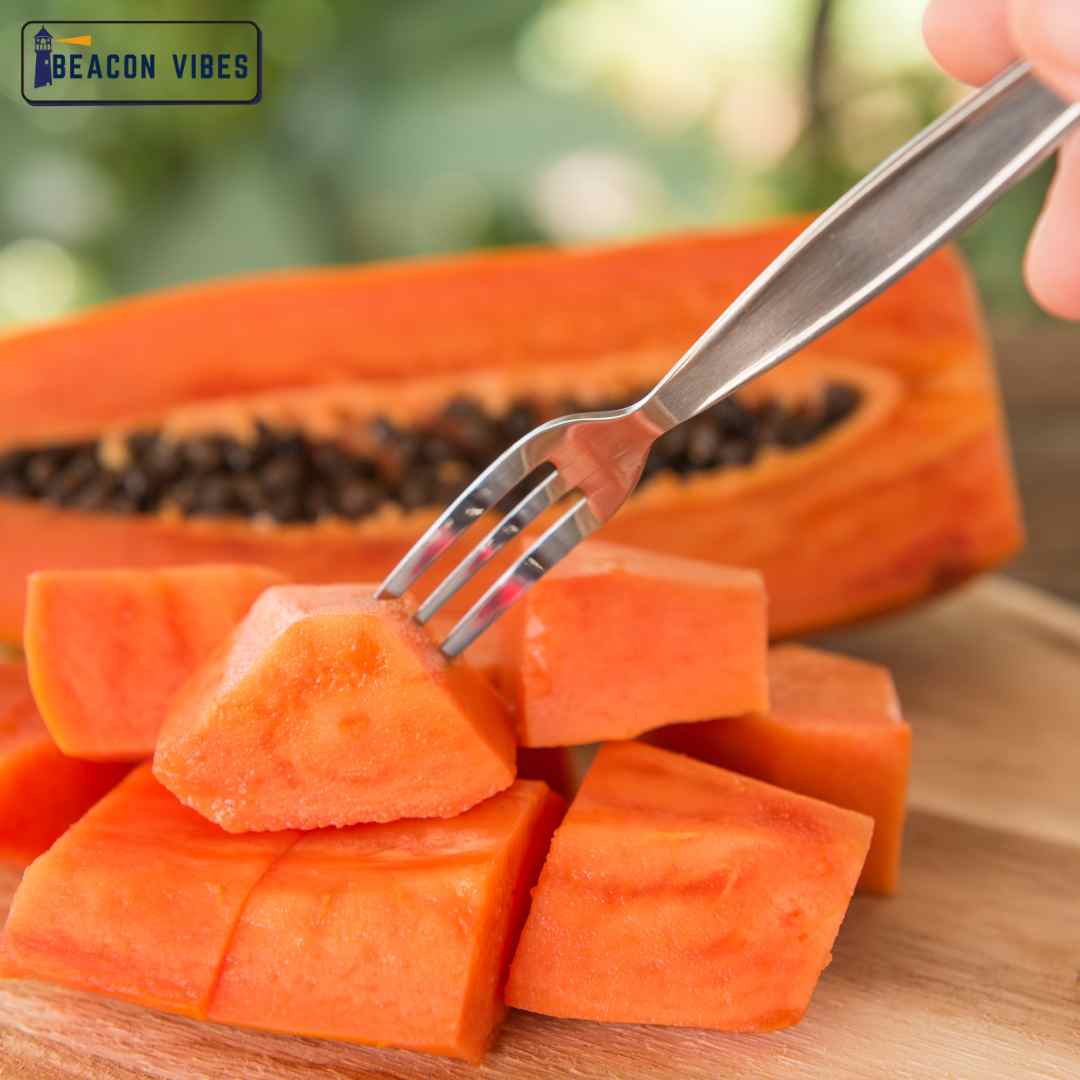
Winter fruits are fruits that grow naturally during the cold season or are best consumed in winter due to their nutritional profile. These fruits help the body stay warm, boost immunity, and fight seasonal illnesses.
Common winter fruits include:
- Orange
- Apple
- Guava
- Pomegranate
- Kiwi
- Strawberry
- Pear
- Grapes
- Amla (Indian Gooseberry)
These fruits are rich in vitamin C, fiber, antioxidants, and natural sugars that provide energy and protect the body from infections. Eating seasonal fruits is always better because they are fresher, more nutritious, and easier to digest.
Benefits of Eating Fruits in Winter
Eating fruits regularly during winter offers multiple health benefits:
- Boosts immunity and helps fight cold, cough, and flu
- Improves digestion by providing dietary fiber
- Keeps skin healthy and prevents dryness
- Provides natural energy and reduces fatigue
- Supports heart health with antioxidants
- Helps maintain body temperature naturally
- Improves gut health and prevents constipation
- Supports weight management by keeping you full
Choose Seasonal Fruits
Always prefer fruits that are grown in the winter season. Seasonal fruits are fresher, tastier, and more nutritious.
Example:
Oranges and guavas available in winter have higher vitamin C compared to off-season fruits.
Wash and Store Properly
Clean fruits thoroughly with water to remove dirt and pesticides. Store them in a cool, dry place or refrigerator as needed.
Example:
Apples and pears can be stored for several days, while strawberries should be eaten fresh.
Eat Whole Fruits Instead of Juice
Whole fruits contain fiber, which helps digestion and controls blood sugar levels.
Example:
Eating an orange is healthier than drinking packaged orange juice.
Best Time to Eat Winter Fruits
The ideal time to eat fruits is in the morning or between meals. Avoid eating fruits immediately after heavy meals.
Example:
Have an apple or guava as a mid-morning snack.
Mix Different Fruits Wisely
You can combine fruits, but avoid mixing too many at once. Simple combinations are easier to digest.
Example:
Apple + pomegranate seeds make a healthy winter fruit bowl.
Top Fruits for Winter and Their Benefits
Apple
- Rich in fiber and antioxidants
- Improves digestion and heart health
- Keeps you full for longer
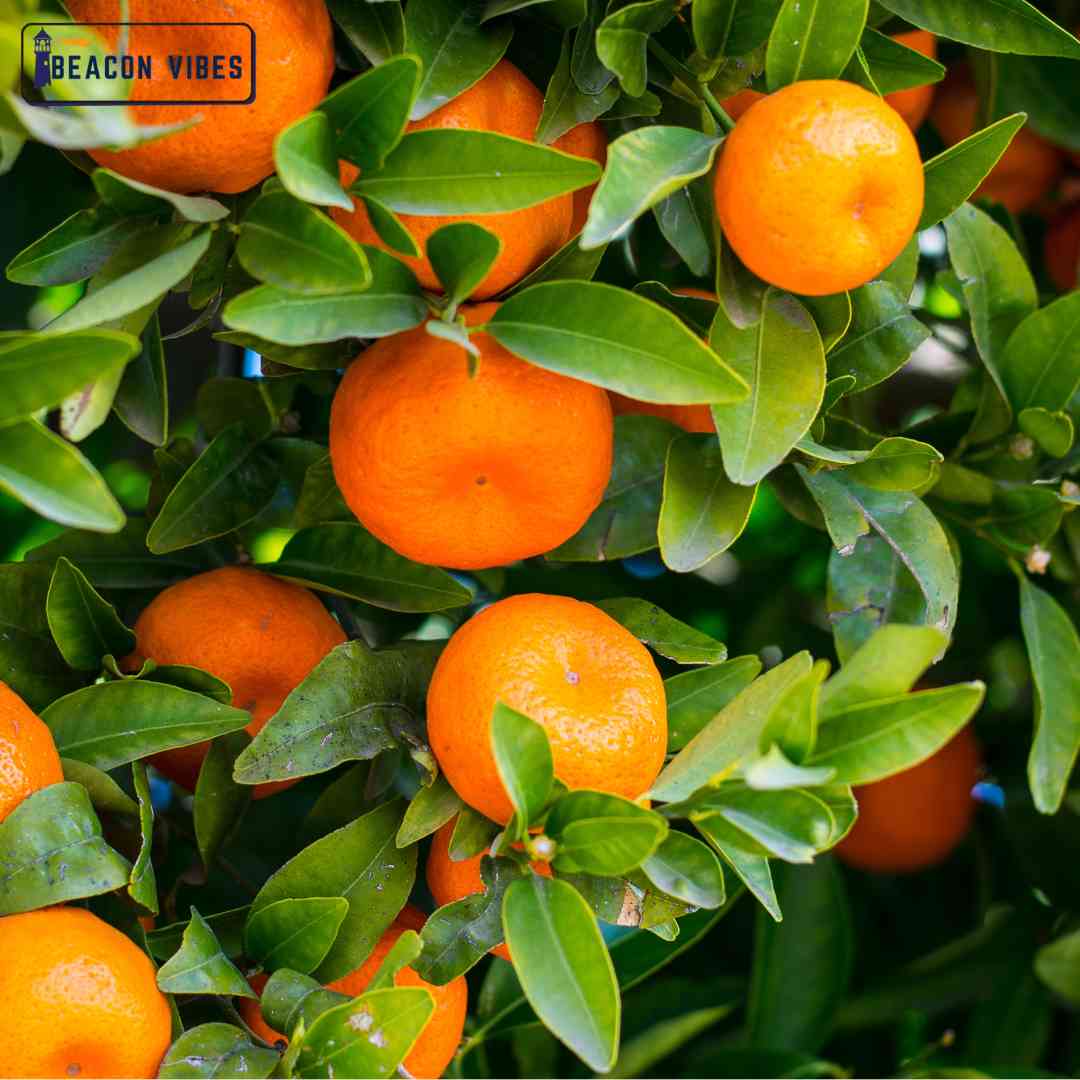
Orange
- High in vitamin C
- Strengthens immunity
- Improves skin health
Guava
- Excellent source of vitamin C and fiber
- Supports digestion
- Helps control blood sugar
Pomegranate
- Improves blood circulation
- Rich in antioxidants
- Supports heart health
Amla
- Boosts immunity
- Improves hair and skin health
- Helps detoxify the body
Kiwi
- Improves digestion
- Supports respiratory health
- Rich in vitamin C and E
Strawberry
- Rich in antioxidants
- Improves skin glow
- Supports weight management
Recipe
Winter Immunity Fruit Bowl
Ingredients:
- 1 chopped apple
- ½ cup pomegranate seeds
- 1 orange (peeled)
- 1 kiwi (sliced)
How to Prepare:
- Wash all fruits properly.
- Chop them into bite-sized pieces.
- Mix gently in a bowl.
- Eat fresh without adding sugar.
Benefit:
This fruit bowl provides vitamin C, fiber, antioxidants, and natural energy, making it perfect for winter mornings.
Common Mistakes + Solutions
- Mistake: Eating fruits late at night
Solution: Eat fruits in the morning or daytime - Mistake: Drinking fruit juice instead of eating fruits
Solution: Prefer whole fruits for fiber - Mistake: Overeating fruits
Solution: Consume in moderate quantities - Mistake: Mixing fruits with heavy meals
Solution: Eat fruits separately - Mistake: Ignoring seasonal fruits
Solution: Choose fruits available in winter
Conclusion
Including the right fruits for winter in your daily diet is one of the simplest and most effective ways to stay healthy during the cold season. Seasonal fruits provide essential nutrients, boost immunity, improve digestion, and keep your energy levels high. By choosing fresh fruits, eating them at the right time, and avoiding common mistakes, you can enjoy their maximum benefits. Make winter fruits a regular part of your lifestyle for better health, glowing skin, and stronger immunity.
FAQs
Q1. Which fruit is best for immunity in winter?
Amla, orange, and guava are excellent for boosting immunity.
Q2. Can we eat fruits daily in winter?
Yes, eating 1–2 servings of fruits daily is healthy and recommended.
Q3. Is it safe to eat cold fruits in winter?
Yes, but avoid refrigerated fruits. Eat them at room temperature.
Q4. Can diabetics eat winter fruits?
Yes, but fruits like apple, guava, and berries should be eaten in moderation.
Q5. What is the best time to eat fruits in winter?
Morning or mid-day is the best time for fruit consumption.