Surya Namaskar Benefits, Steps & Everyday Practice
Introduction
Surya Namaskar, also known as Sun Salutation, is a powerful yoga sequence that blends breath, movement, and mindfulness. This traditional practice consists of twelve fluid postures that energize the body, calm the mind, and improve overall wellness. Practiced in the early morning, Surya Namaskar stimulates the nervous system, increases flexibility, boosts heart health, and prepares the mind for a productive day. Whether you are a beginner or an experienced practitioner, this sequence works as a full-body workout. It strengthens muscles, improves posture, enhances breathing, and supports mental clarity. This detailed guide explains what Surya Namaskar is, its benefits, step-by-step instructions, common mistakes, a practical example, and FAQs to help you practice confidently and safely.
Table of Contents
- Basics
- Benefits
- Steps
- Practical Example
- Common Mistakes + Solutions
- Conclusion
- FAQs
Basics
Surya Namaskar translates to “Salutation to the Sun,” representing energy, vitality, and life in yogic philosophy. This sequence has twelve dynamic positions, each linked with a specific breathing pattern. The flow warms the body, activates muscles, and increases oxygen intake. It can be performed slowly to enhance flexibility or at a faster pace to work as a cardiovascular exercise. Many people practice 5–12 rounds daily, depending on fitness level. Even a few rounds can significantly improve strength, mobility, and mental focus. Surya Namaskar is suitable for people of all ages when done mindfully with proper alignment.
Benefits
• Enhances flexibility in the spine, legs, shoulders, and back
• Strengthens the core, arms, and lower body
• Improves blood circulation and heart health
• Helps in weight management by boosting metabolism
• Reduces stress through deep, controlled breathing
• Improves posture and relieves body stiffness
• Boosts energy by increasing oxygen flow
• Supports better digestion and hormonal balance
• Enhances mental clarity and reduces anxiety
Steps
Below is the traditional 12-step sequence explained simply, with breathing instructions and relatable examples.
Pranamasana (Prayer Pose)
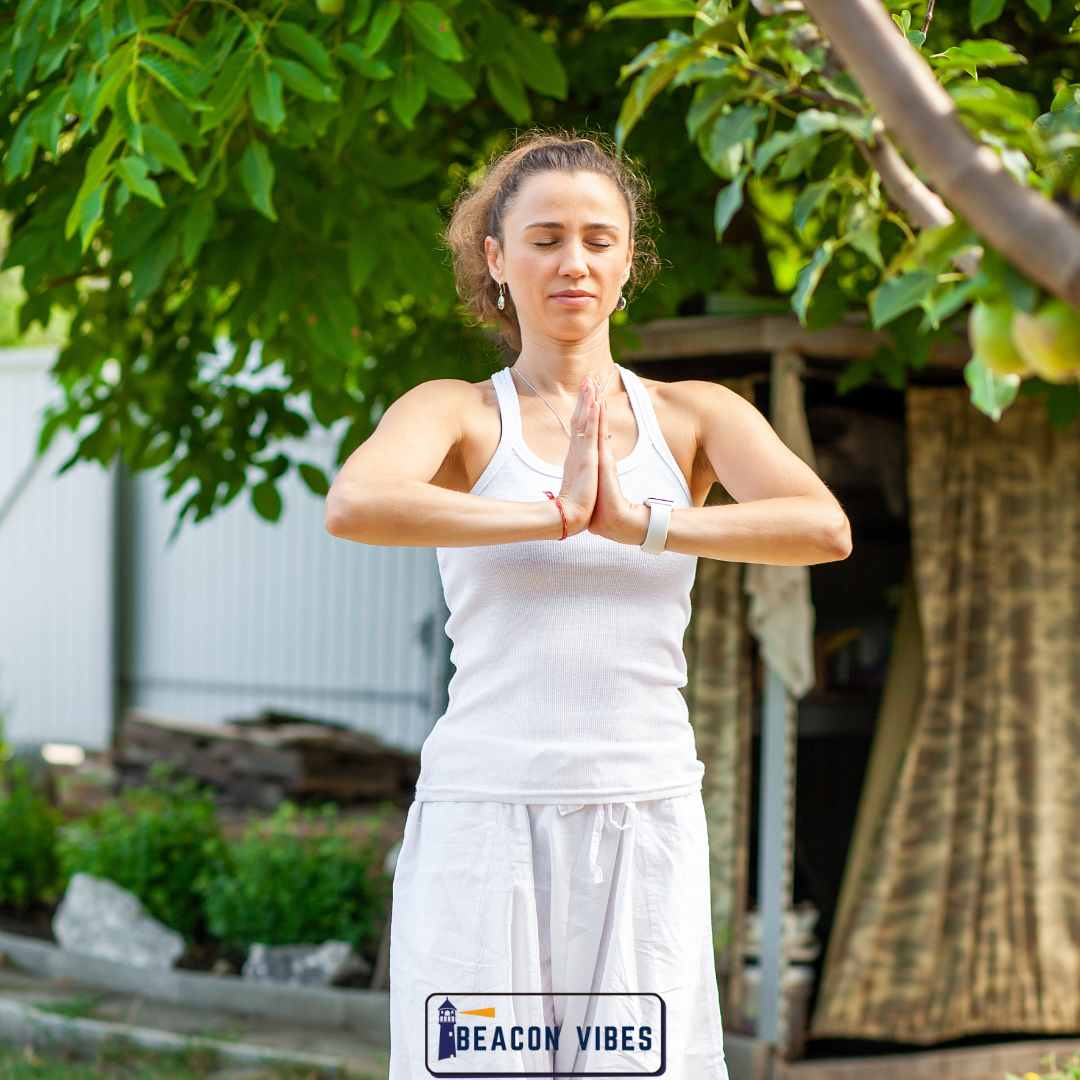
Stand straight with feet together and palms joined in front of the chest. Take a moment to center your breath. This pose brings awareness and prepares your mind for the sequence.
Hasta Uttanasana (Raised Arms Pose)
Inhale as you lift your arms upward and gently arch backward, stretching the abdomen and opening the chest. This posture welcomes energy and expands the lungs.
Hasta Padasana (Standing Forward Bend)
Exhale and bend forward from the hips, touching your feet or the floor. Your knees may stay slightly bent if flexibility is limited. This posture stretches the hamstrings and lengthens the spine.
Ashwa Sanchalanasana (Equestrian Pose)
Inhale and stretch your right leg back while keeping your left foot between your hands. Lift your head to open the chest. This resembles a runner’s lunge and stretches the hips.
Dandasana (Plank Pose)
Hold your breath and take your left leg back, forming a straight line from head to heels. This strengthens your core, arms, and shoulders.
Ashtanga Namaskar (Eight-Point Salute)
Exhale and gently lower your knees, chest, and chin to the floor while keeping your hips raised. Eight points—feet, knees, hands, chest, and chin—touch the ground.
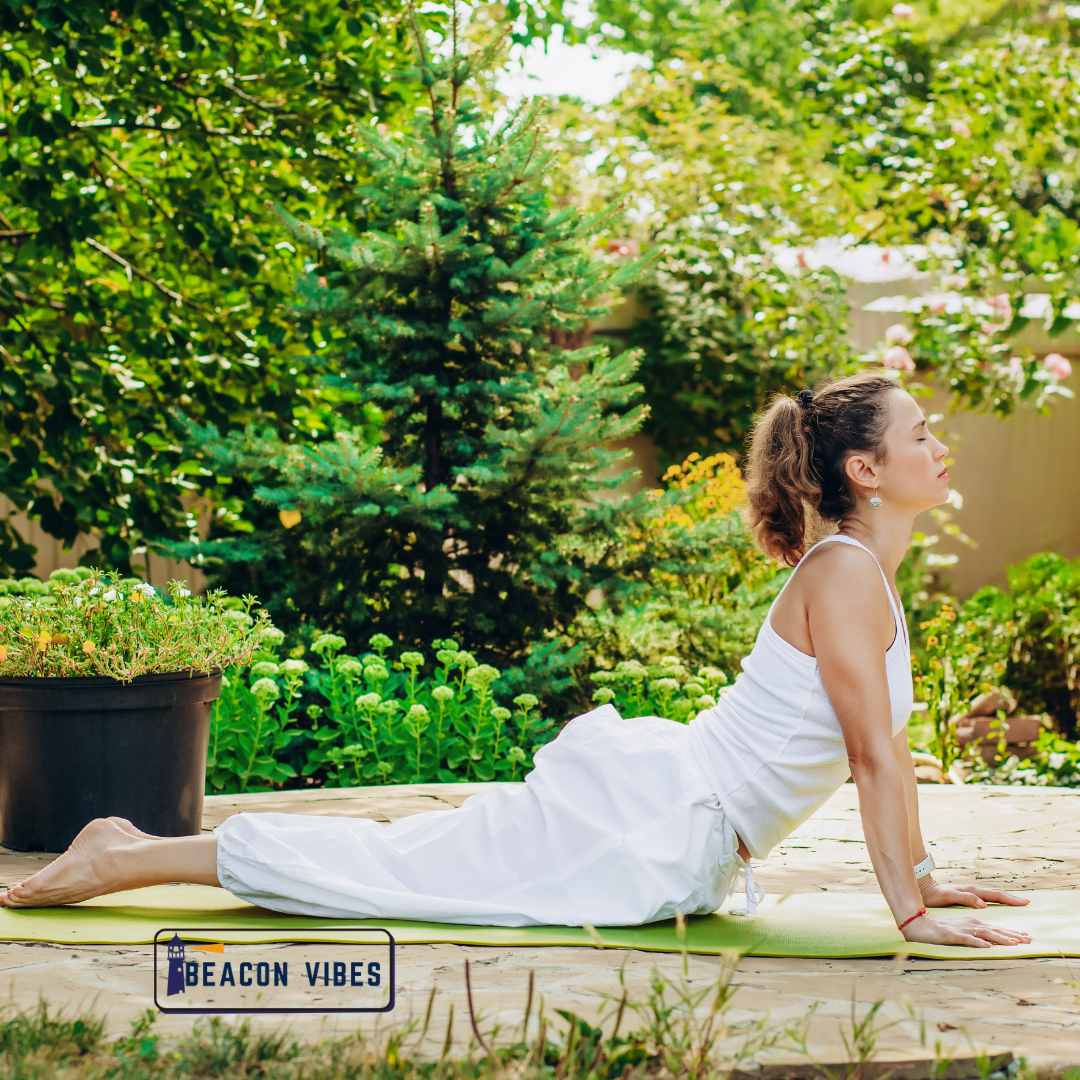
Bhujangasana (Cobra Pose)
Inhale, slide forward, and lift your chest while keeping elbows close. Relax your shoulders and feel the gentle backbend activating the spine.
Adho Mukha Svanasana (Downward Dog)
Exhale and lift your hips high to form an inverted V. Press your heels toward the floor and stretch your back, shoulders, and legs.
Ashwa Sanchalanasana (Lunge – Other Side)
Inhale and bring your right leg forward between your hands, mirroring the earlier lunge. Look up and stretch the spine.
Hasta Padasana (Forward Bend)
Exhale and bring your left leg forward to meet the right, returning to the standing forward bend. Relax the neck and stretch the back.
Hasta Uttanasana (Raised Arms Pose)
Inhale and rise with arms lifted overhead, gently arching backward to open the chest again.
Pranamasana (Prayer Pose)
Exhale and bring your hands back to the chest. This completes one round of Surya Namaskar.
Practical Example
A 35-year-old office worker who struggled with back stiffness and low energy incorporated 10 rounds of Surya Namaskar into his morning routine. After four weeks of consistent practice, he experienced noticeable improvements. His flexibility increased, back pain reduced, and his digestion strengthened. He also reported feeling more energetic and focused during work hours. Unexpectedly, he lost around 1–2 kg due to improved metabolism and daily movement. This real-life example shows that even a short, daily Surya Namaskar practice can positively impact physical health and mental well-being.
Common Mistakes + Solutions
• Rounding the spine during forward and backward bends — keep the spine long and move slowly.
• Forgetting the correct breathing pattern — follow inhale-exhale instructions for each step.
• Rushing through the sequence — begin slowly to learn alignment before increasing speed.
• Dropping hips too low in plank — engage your core to keep the body straight.
• Overstretching beyond comfort — stretch gradually and avoid forcing movements.
Correcting these mistakes ensures a safe, effective, and comfortable Surya Namaskar practice.
Conclusion
Surya Namaskar is a complete wellness routine that enhances strength, flexibility, mental clarity, and overall vitality. Just a few minutes each day can transform your energy and mood. Start with 3–5 rounds and gradually increase to 10–12 as your stamina improves. Practicing with awareness and consistency will bring long-lasting benefits to your body and mind.
FAQs
How many rounds should beginners do?
Start with 3–5 rounds and increase slowly as flexibility and stamina improve.
What is the best time to practice Surya Namaskar?
Early morning on an empty stomach is ideal, as it energizes the body for the day.
Can Surya Namaskar help in weight loss?
Yes, regular practice boosts metabolism and helps burn calories effectively.
Is it safe during periods?
Gentle practice is fine for some women, but avoid intense stretches if there is discomfort.
Can people with back pain perform it?
Yes, but the sequence should be done slowly and carefully. Those with severe pain should consult a doctor.