Best Protein-Rich Foods for a Healthy Lifestyle
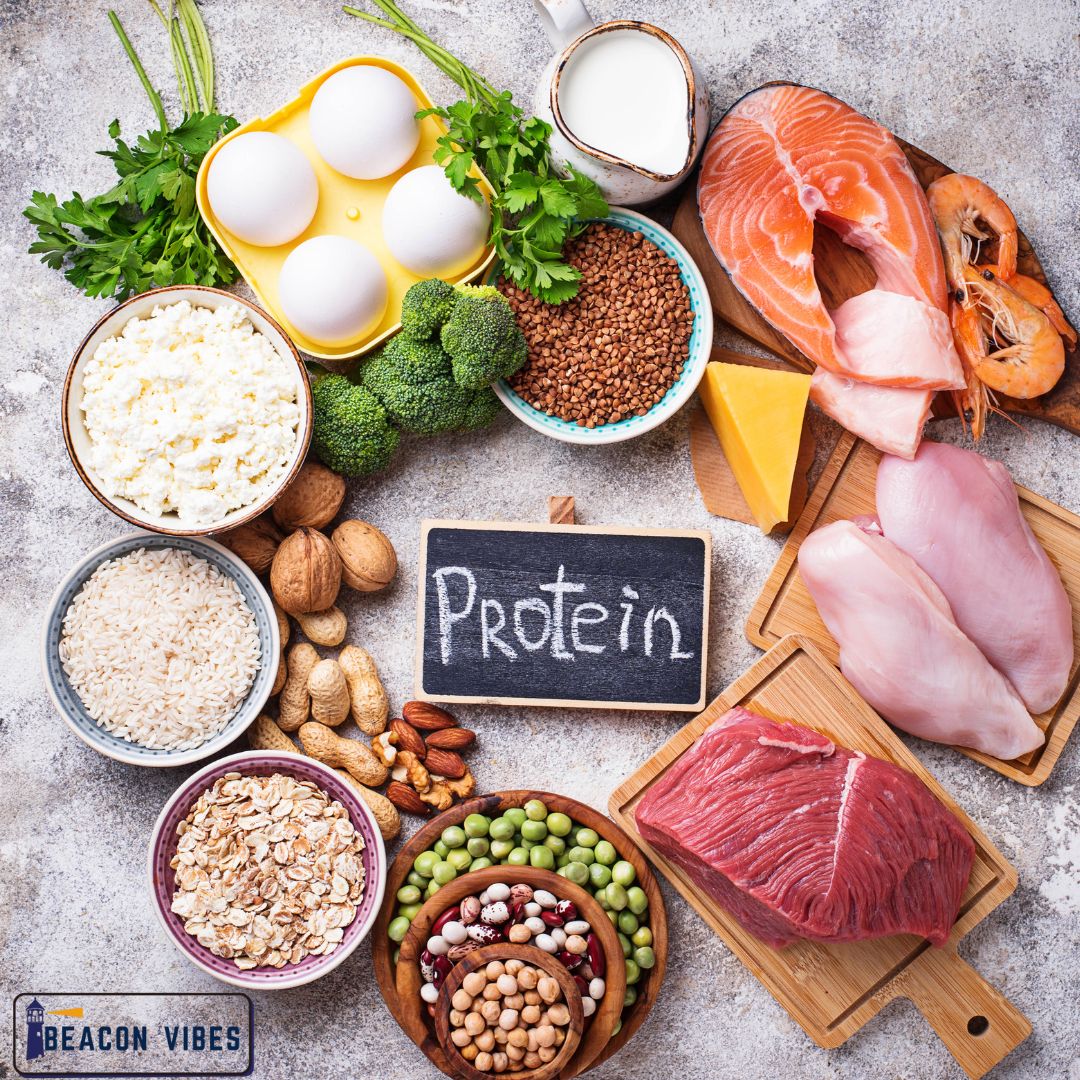
Protein is one of the most essential nutrients your body needs every day. Whether your goal is weight loss, muscle gain, better immunity, or overall wellness, adding high-protein foods to your diet can make a big difference. This guide explains the best protein-rich foods, their benefits, and how you can include them in your daily meals easily. It also covers common mistakes people make and how to avoid them. With simple steps, practical examples, and clear explanations, this article will help you build a healthier lifestyle effortlessly.
Table of Contents
- Definition / Basics
- Benefits of Protein-Rich Foods
- Main Content / How to Add Protein to Your Diet
3.1 Choose the Right Protein Sources
3.2 Balance Protein Across All Meals
3.3 Combine Protein with Fiber and Healthy Fats
3.4 Plan Smart Snacks
3.5 Stay Consistent - Practical Example / Recipe / Case Study
- Common Mistakes + Solutions
- Conclusion
- FAQs
Definition / Basics
Protein is a macronutrient made of amino acids — the building blocks that help your body repair tissues, build muscle, support immunity, and regulate hormones.
Your body needs protein daily because it doesn’t store it, unlike fats or carbohydrates. This means you must include good protein sources in your meals consistently.
Types of Protein
1. Animal-Based Protein:
Includes eggs, chicken, fish, dairy, and meat. These foods contain all essential amino acids (complete protein).
2. Plant-Based Protein:
Includes lentils, chickpeas, rajma, soybeans, paneer, tofu, and nuts. Some may lack one or two amino acids, but combining foods makes them complete.
Daily Protein Needs
Most adults need 0.8–1.2 grams of protein per kg of body weight, depending on activity level.
Benefits of Protein-Rich Foods
- Helps in muscle building and repair.
- Keeps you full for longer, reducing hunger and cravings.
- Supports healthy metabolism and weight management.
- Improves hair, skin, and nail health.
- Strengthens the immune system.
- Helps regulate hormones and enzymes.
- Maintains bone health and prevents muscle loss with age.
Main Content / Steps / How to Add Protein to Your Diet
3.1 Choose the Right Protein Sources
Pick high-quality protein foods depending on your lifestyle (veg or non-veg).
Examples:
- Vegetarian: Paneer, tofu, curd, soya chunks, lentils (dal), rajma, chole, quinoa, peanuts, almonds.
- Non-vegetarian: Eggs, chicken breast, fish (salmon, rohu), prawns, lean mutton.
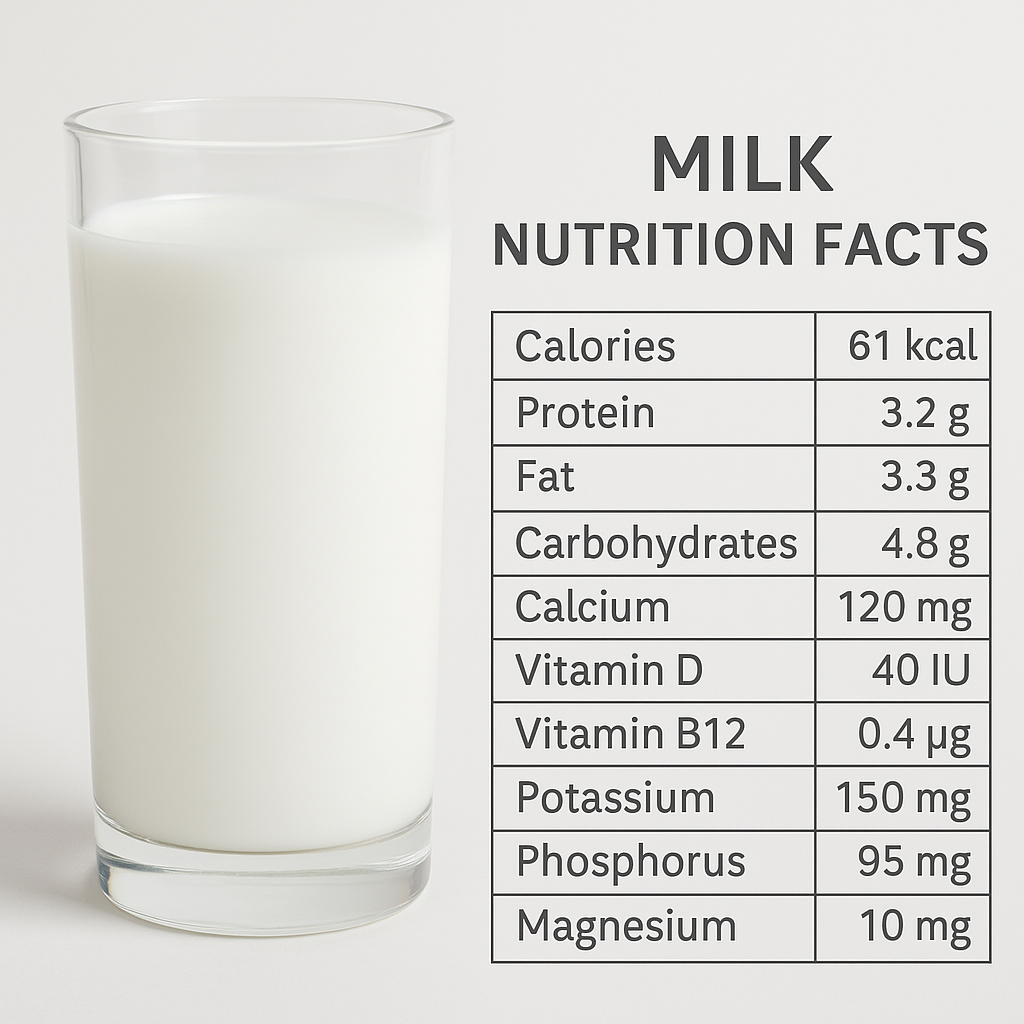
- Dairy sources: Milk, Greek yogurt, cheese.
- Plant convenience foods: Peanut butter, hummus, sprouts.
3.2 Balance Protein Across All Meals
Instead of eating most protein in one meal, spread it throughout the day.
Examples:
- Breakfast: 2 boiled eggs or paneer paratha or sprouts bowl.
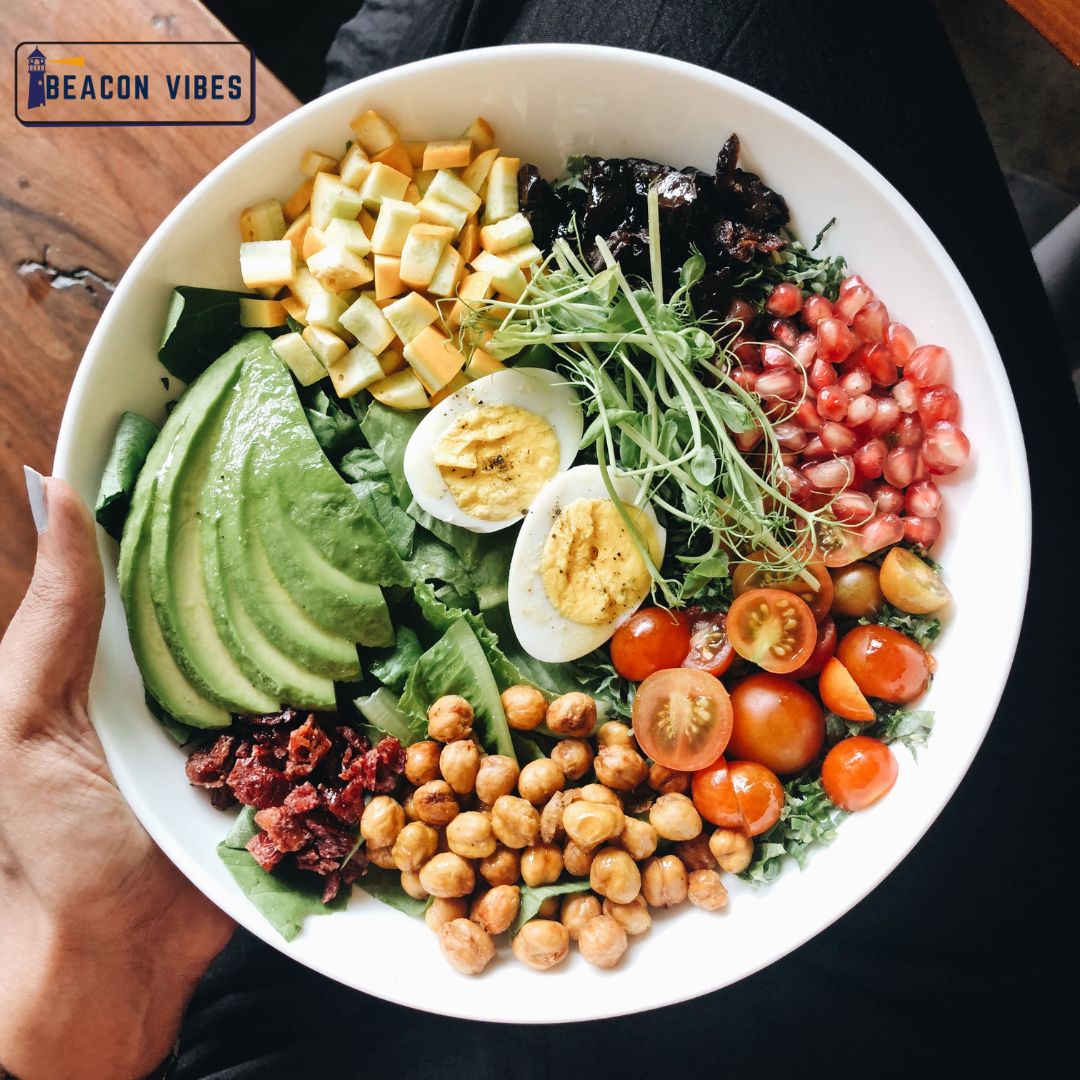
- Lunch: Dal + sabzi + 1 cup curd + salad with chana.
- Dinner: Grilled chicken/paneer + soup + roti or rice.
3.3 Combine Protein with Fiber and Healthy Fats
This improves digestion, energy, and satiety.
Examples:
- Paneer + veggies + whole wheat roti.
- Egg omelet + spinach + multigrain toast.
- Peanut butter + banana + oats.
- Lentil soup + salad + olive oil.
3.4 Plan Smart Snacks
Avoid chips, biscuits, and sugary foods. Choose high-protein snacks.
Examples:
- Roasted chana or makhana.
- Greek yogurt with fruits.
- A handful of almonds or peanuts.
- Homemade protein smoothie.
- Boiled egg or paneer tikka.
3.5 Stay Consistent
Protein works best when included daily.
Tips:
- Prep your protein in advance (boil eggs, soak dal, cut paneer).
- Keep high-protein snacks handy.
- Track your intake if needed using an app.
- Mix both plant and animal proteins (if non-veg).
Recipe
High-Protein Paneer-Veg Bowl (Quick Recipe)
Ingredients:
- 100 g paneer (18 g protein)
- 1 cup mixed vegetables (carrot, capsicum, beans)
- 1 tsp olive oil
- Salt, pepper, and herbs
Method:
- Heat oil in a pan.
- Add vegetables and sauté for 3–4 minutes.
- Add diced paneer and mix well.
- Add salt, pepper, or any herbs you like.
- Serve hot.
Protein: ~20–22 g per serving.
Case Study: Simple Transformation
A 35-year-old office worker added:
- Eggs or sprouts in breakfast
- Dal + curd in lunch
- Paneer/chicken in dinner
- Nuts as snacks
In 30 days, they:
- Felt less hungry
- Lost 2 kg without dieting
- Improved energy during work
- Reduced evening junk cravings
This shows small protein habits create big results.

Common Mistakes + Solutions
- Mistake: Eating too much protein at dinner only.
Solution: Distribute protein across all meals. - Mistake: Relying only on supplements.
Solution: Prefer natural food sources; use whey only if needed. - Mistake: Very little protein for vegetarians.
Solution: Add dal, chole, rajma, paneer, soya, nuts daily. - Mistake: Choosing fried protein foods (pakora, fried chicken).
Solution: Go for grilled, boiled, roasted, or air-fried versions. - Mistake: Avoiding protein due to weight-loss myths.
Solution: Protein actually helps manage weight and cravings. - Mistake: Not drinking enough water with high protein.
Solution: Drink 7–8 glasses of water daily for digestion.
Conclusion
Protein is essential for a healthy, active, and energetic lifestyle. By adding simple protein-rich foods like eggs, paneer, lentils, chicken, nuts, and yogurt to your meals, you can improve muscle strength, metabolism, and overall well-being. Start small, be consistent, and choose natural, wholesome foods.
FAQs
1. What are the best vegetarian protein foods?
Paneer, tofu, dal, chole, rajma, soya chunks, quinoa, peanuts, and sprouts.
2. How much protein should I eat daily?
Most adults need 0.8–1.2 g per kg of body weight, depending on activity.
3. Can protein help in weight loss?
Yes. It keeps you full, controls cravings, and boosts metabolism.
4. Is whey protein necessary?
Not necessary. Natural foods are enough, but whey can help if you can’t meet daily protein needs.
5. Can children and older adults eat protein-rich foods?
Yes, they need protein for growth, immunity, and strength — just choose soft, easy-to-digest options.