Best Foods for Your Healthy Weight Journey
Starting a healthy weight journey does not mean starving yourself or following strict diets that make life difficult. Real progress begins when you make simple, smart food choices that nourish your body, support metabolism, and keep you full for longer. Eating the right foods boosts your energy, reduces cravings, and helps you maintain a balanced lifestyle without stress.
This guide explains the best foods for healthy weight loss, why they work, and how you can easily include them in your daily routine. You’ll also find practical examples, must-know tips, common mistakes, and answers to popular questions. Whether you’re just beginning or restarting your weight-loss lifestyle, this article gives you a clear, simple direction to follow.
Table of Contents
- Definition / Basics
- Benefits
- Main Content / Steps / How-To
- Step 1: Choose High-Protein Foods
- Step 2: Add Fiber-Rich Foods
- Step 3: Include Healthy Fats
- Step 4: Focus on Low-Calorie, High-Volume Foods
- Step 5: Improve Meal Timing & Portion Control
- Practical Example / Recipe
- Common Mistakes + Solutions
- Conclusion
- FAQs
Basics
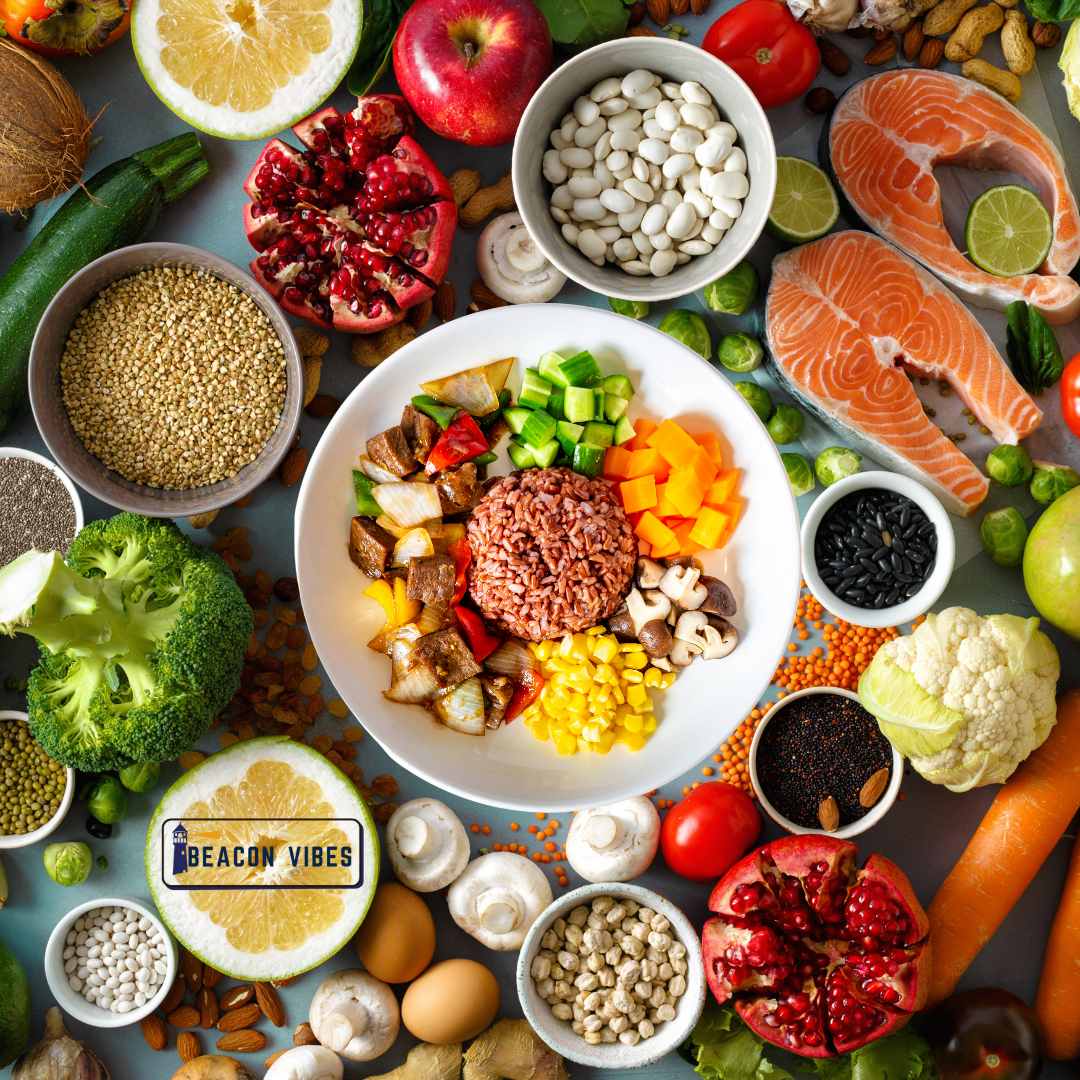
Healthy weight management means choosing foods that help your body burn fat efficiently while keeping you satisfied. These foods offer three main benefits:
- They provide balanced nutrition.
- They stabilize blood sugar to reduce cravings.
- They keep you full without adding excess calories.
Healthy weight does not come from extreme dieting. It comes from consistently eating nourishing foods such as lean proteins, whole grains, fruits, vegetables, nuts, and seeds.
Details Explained in Simple Language
Your body needs fuel, just like a car. If you give it low-quality fuel (junk food), it becomes slow, tired, and stores extra fat. When you give it high-quality fuel (nutrient-rich foods), it works better—your digestion improves, your metabolism becomes more active, and you start losing weight naturally.
The goal is not to eat less, but to eat right. High-protein, high-fiber, and nutrient-dense foods keep you satisfied for hours and reduce the urge to overeat. This makes weight loss simple and sustainable.
Benefits of Eating the Right Foods
- Helps boost metabolism
- Reduces unnecessary cravings
- Improves digestion
- Keeps you full for longer
- Supports muscle growth and fat loss
- Balances blood sugar levels
- Provides long-lasting energy
- Helps prevent lifestyle diseases like diabetes and hypertension
Steps to Be Taken
Step 1: Choose High-Protein Foods
Protein is the king of weight-loss nutrients because it helps build muscle, improves fullness, and boosts metabolism.
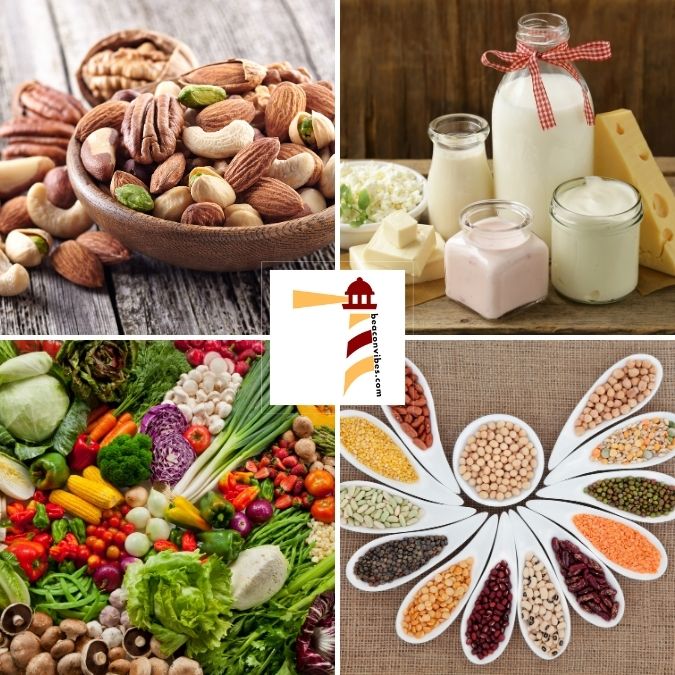
Examples of High-Protein Foods
- Eggs
- Greek yogurt
- Paneer (cottage cheese)
- Chicken breast
- Fish (salmon, tuna, rohu)
- Lentils and dals
- Chickpeas
- Tofu & soya products
How This Helps
Protein digests slowly, which means you stay full longer and eat fewer calories throughout the day.
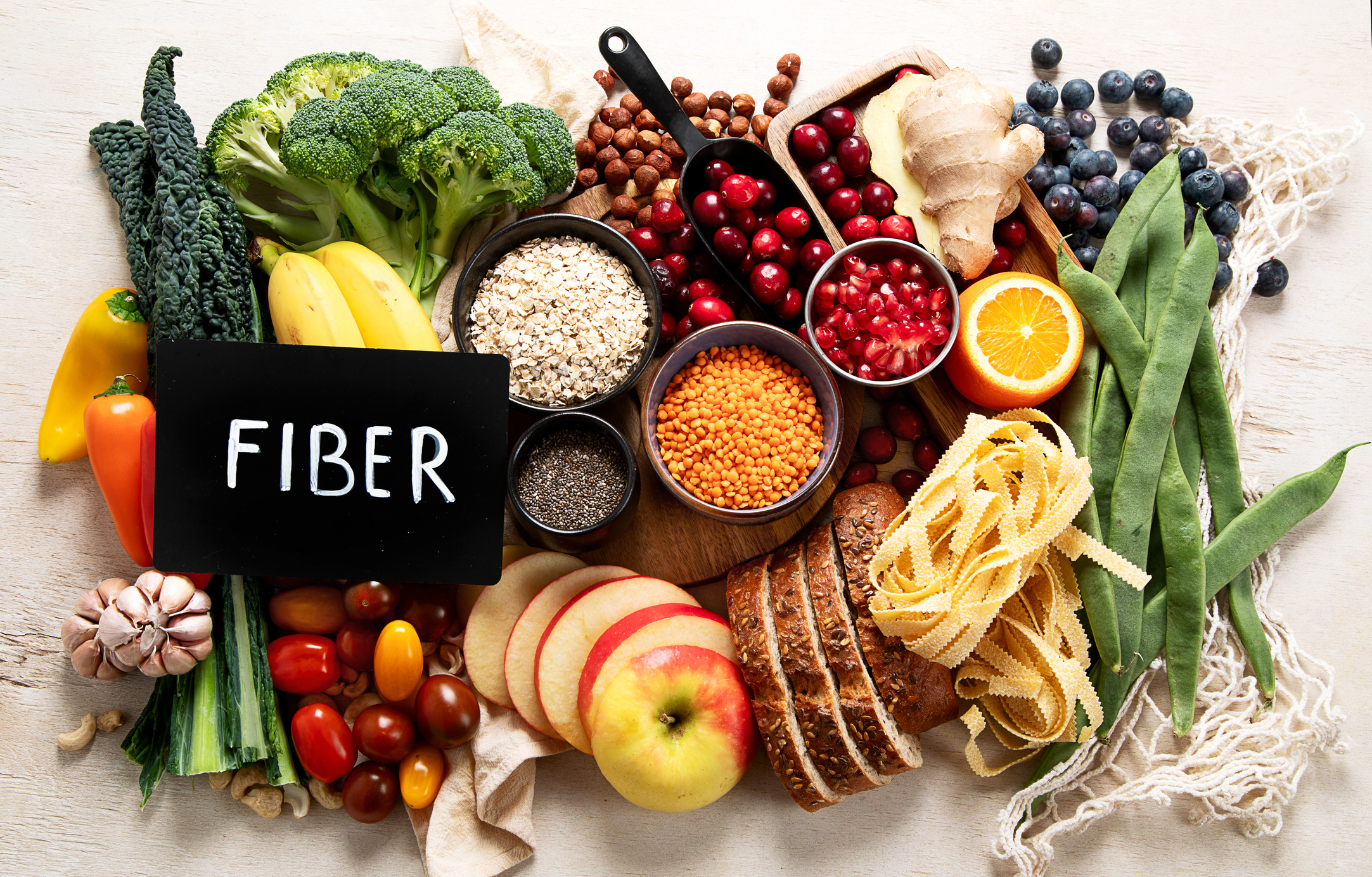
Step 2: Add Fiber-Rich Foods
Fiber slows digestion, supports gut health, and prevents overeating.
Examples of Fiber-Rich Foods
- Whole grains (oats, brown rice, quinoa)
- Fruits (apples, pears, berries, oranges)
- Vegetables (broccoli, leafy greens, carrots, beans)
- Seeds (chia seeds, flax seeds)
How This Helps
Fiber absorbs water and expands in your stomach, reducing hunger naturally. It also improves bowel movement, which is essential during weight loss.
Step 3: Include Healthy Fats
Healthy fats support hormone balance and help you feel satisfied.
Examples of Healthy Fats
- Avocados
- Peanuts & almonds
- Olive oil
- Walnuts
- Pumpkin seeds
- Ghee in small quantity
How This Helps
Healthy fats prevent cravings for fried or sugary foods and support overall body function.
Step 4: Focus on Low-Calorie, High-Volume Foods
These foods let you eat MORE while consuming FEWER calories.
Examples
- Cucumbers
- Tomatoes
- Zucchini
- Cabbage
- Mushrooms
- Leafy greens
- Watermelon
- Papaya
How This Helps
You can fill your plate without guilt, which avoids overeating later.
Step 5: Improve Meal Timing & Portion Control
Even the best foods can cause weight gain if eaten in large quantities.
Tips
- Eat every 3–4 hours.
- Make breakfast the heaviest meal.
- Keep dinner light.
- Use smaller plates to reduce portion size.
- Eat slowly and mindfully.
Examples
- Breakfast: Oats + eggs
- Lunch: Dal + vegetables + roti
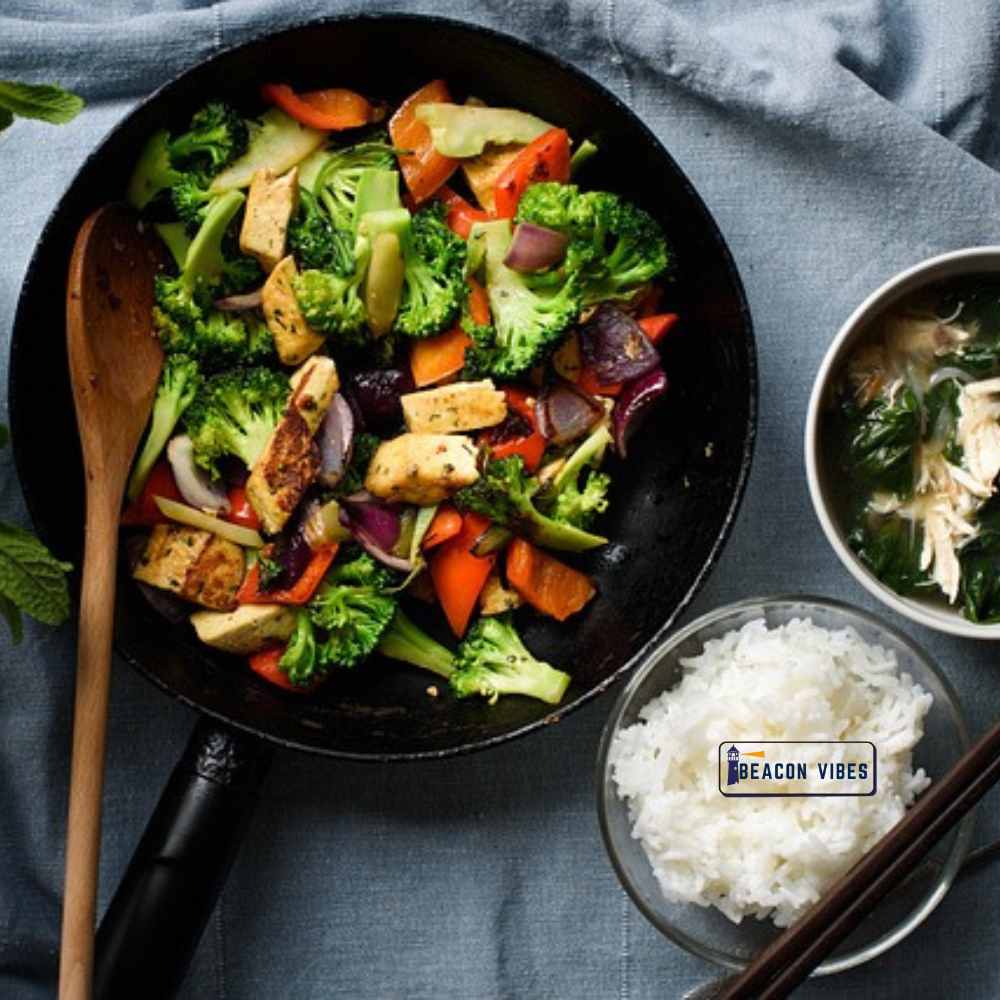
- Dinner: Soup + salad + grilled veggies
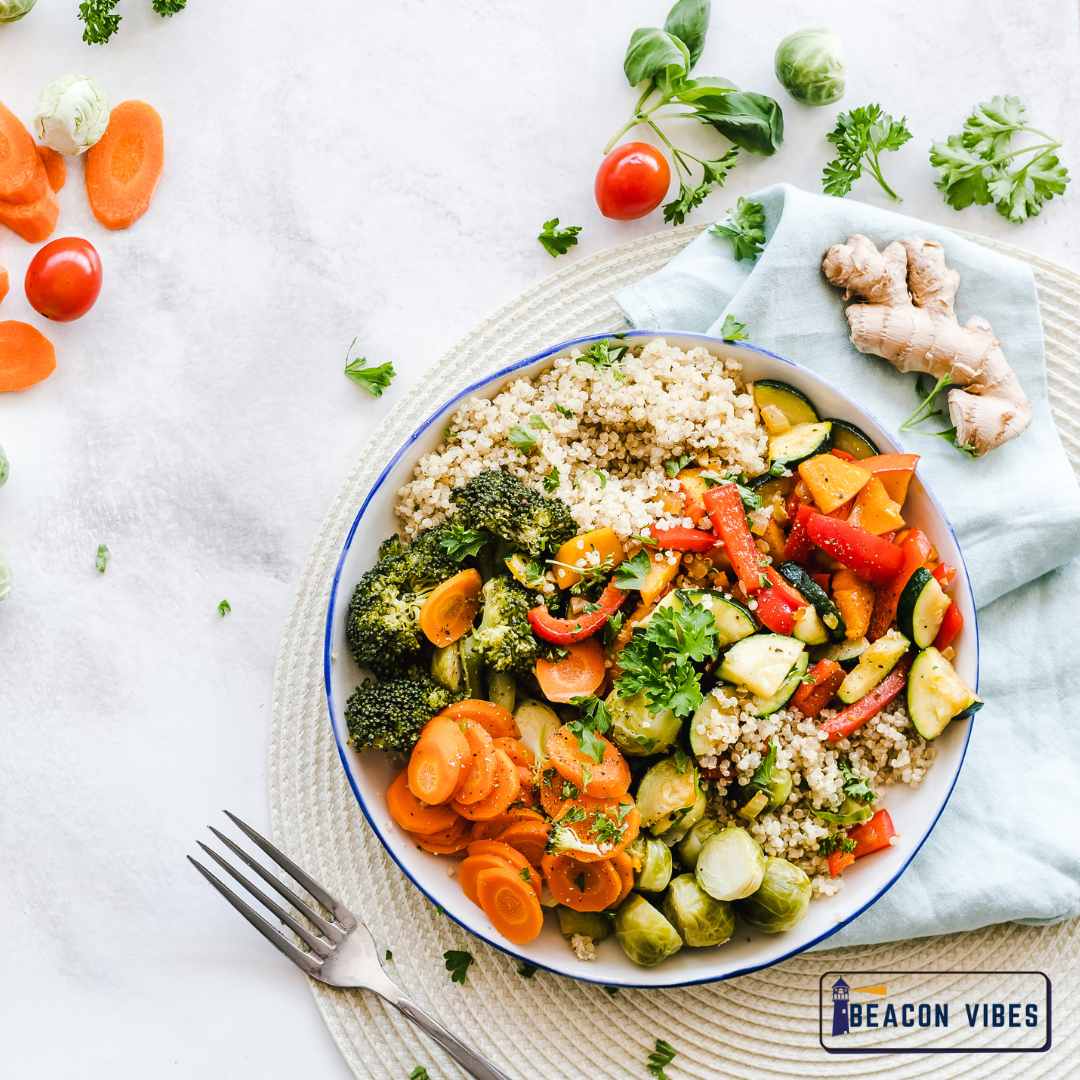
Practical Example / Recipe
Weight-Loss Bowl Recipe (High Protein + Fiber)
Ingredients
- 1 cup boiled chickpeas
- ½ cup chopped cucumbers
- ½ cup tomatoes
- ½ cup boiled corn
- 1 tbsp olive oil
- ½ lemon
- Salt, pepper, and herbs
Method
- Mix chickpeas, corn, and veggies in a bowl.
- Drizzle with olive oil and lemon juice.
- Add salt, pepper, and herbs.
- Toss well and enjoy.
Why This Works
- High protein from chickpeas
- High fiber from vegetables
- Healthy fats from olive oil
- Very filling but low calorie
This bowl keeps you full for 3–4 hours and supports natural fat loss.
Common Mistakes + Solutions
Mistake 1: Skipping meals
Solution: Eat small, balanced meals every 3–4 hours.
Mistake 2: Eating only salads
Solution: Add protein (paneer, eggs, chana) to make meals complete.
Mistake 3: Drinking calories (juice, soft drinks)
Solution: Replace with water, lemon water, green tea, or coconut water.
Mistake 4: Overeating healthy foods
Solution: Practice portion control; healthy foods also contain calories.
Mistake 5: Not checking hidden sugar
Solution: Read labels on packaged foods.
Mistake 6: Eating late at night
Solution: Have dinner before 8 PM for better digestion.
Conclusion
Your healthy weight journey becomes easier when you focus on simple, smart food choices instead of strict dieting. Add protein, fiber, healthy fats, and hydrating foods to your meals daily. Stay consistent, stay positive, and enjoy the process. Small steps today create major changes tomorrow.
FAQs
1. What is the best food for weight loss?
Foods high in protein and fiber, such as eggs, oats, vegetables, fruits, and chickpeas.
2. Should I avoid carbs?
No. Choose healthy carbs like oats, brown rice, and fruits instead of refined carbs.
3. Can I eat rice while trying to lose weight?
Yes, in controlled portions. Pair rice with dal, vegetables, and protein.
4. How many meals should I eat a day?
4–5 small meals keep your metabolism active and prevent overeating.
5. Is fruit good for weight loss?
Yes. Fruits are low-calorie, high-fiber, and excellent for reducing cravings.